

Naira Holds Firm at N1,379 as Market Gaps Close
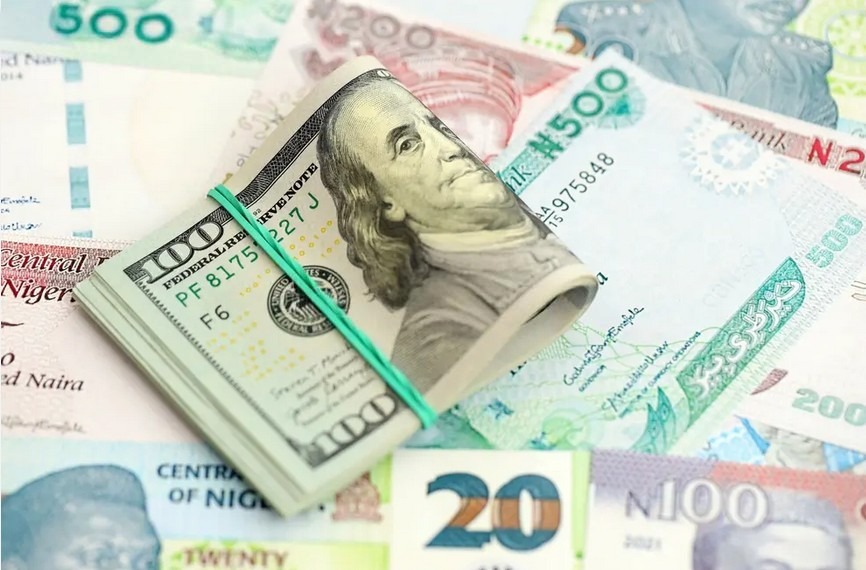
The Nigerian Naira opened the second quarter of 2026 with a show of resilience, trading at N1,379.30 against the United States Dollar on Tuesday, April 7. Stability in the official Nigerian Foreign Exchange Market (NFEM) follows a period of mild volatility in late March. The Central Bank of Nigeria (CBN) successfully bridged liquidity gaps through targeted interbank interventions. Current market data shows the currency fluctuating within a narrow band between N1,378.70 and N1,380.10.
The parallel market has mirrored this stability, with the dollar hovering around N1,379.10 in informal trading. This near-total convergence between official and black market rates suggests that the government’s exchange rate unification policy is working. Arbitrage opportunities, which once plagued the Nigerian financial system, have largely evaporated. This alignment provides a more predictable environment for businesses and foreign investors alike.
Market liquidity improved significantly after the central bank adjusted interbank turnover rates last month. Financial analysts believe the current exchange rate reflects a balanced demand-supply dynamic as the mid-year period approaches. While the global economic environment remains shiftable, the local currency has maintained a steady floor. The success of recent interventions has reduced the panic buying typically seen during periods of currency depreciation.
Investors are now turning their attention to upcoming futures contracts and the central bank’s next policy statement. These indicators will likely dictate whether the Naira can maintain its current trajectory through the rainy season. For now, the narrow spread between market windows indicates a return of confidence in the formal banking channels. The era of wild daily fluctuations appears to have given way to a managed, stable equilibrium.