


Naira Holds Steady as Geopolitical Tensions Simmer
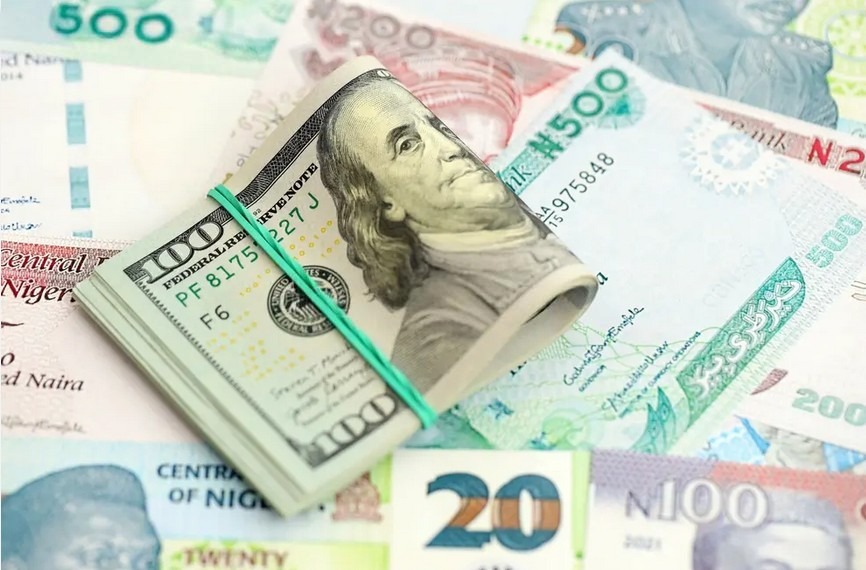
The naira remained largely unchanged on Thursday, trading at 1,379.50 against the dollar. Data from the Nigerian Foreign Exchange Market show the currency opened at 1,378.98 before hitting an intraday peak of 1,380.00. This stability persists despite a volatile global backdrop that threatens to upend emerging market currencies. Local trading activity stayed moderate as dealers watched international developments with caution. Nigeria remains sensitive to these external shocks given its reliance on oil revenue.
Global currency markets are currently dictated by a fragile ceasefire between the United States and Iran. While the truce has paused direct hostilities, the dollar remains on shaky ground after recent broad losses. Tehran has already accused Washington and Israel of violating the agreement terms. Iranian officials now claim that continuing peace talks would be unreasonable under current conditions. Such rhetoric keeps investors on edge and prevents a decisive move in the greenback.
Regional instability continues to pressure global energy supply chains. Israel persists with its parallel military campaign against Hezbollah in Lebanon. Meanwhile, the Strait of Hormuz remains closed to vessels lacking specific permits. Shippers refuse to resume transit through the vital waterway, which has pushed oil prices higher. This closure grants Iran significant leverage over global trade routes. Higher energy costs typically favour the dollar as the United States is now a net energy exporter.
The five-week conflict has caused the largest disruption to global oil and gas supplies on record. This chaos has shaken investor confidence and hit energy-importing nations particularly hard. Japan and several European countries face a steeper economic climb than their North American counterparts. The dollar index currently sits flat at 99.07 against a basket of major currencies. Low volatility in the index suggests a market that is waiting for the next catalyst.
Central banks are also adjusting their stances in response to the geopolitical shift. The Bank of Japan may hike interest rates later this month to defend its currency. Markets currently price in a 55% chance of such a move as the yen weakened to 158.81 per dollar. In Europe, the euro and sterling saw only marginal movements against the greenback. Analysts suggest that strong American economic data could trigger a fresh dollar rebound. For now, the world waits to see if the Middle Eastern truce will hold.
Cryptocurrencies and commodity currencies show mixed signals amidst the uncertainty. Bitcoin fell slightly to $71,030.07 while the Australian dollar also weakened. These movements reflect a general retreat from riskier assets as the ceasefire remains on thin ice. President Donald Trump has stated that American military assets will remain in place until Iran complies fully with all terms. This heavy military presence ensures that the threat of renewed conflict is never far away.