


Naira Holds Steady at N1,399
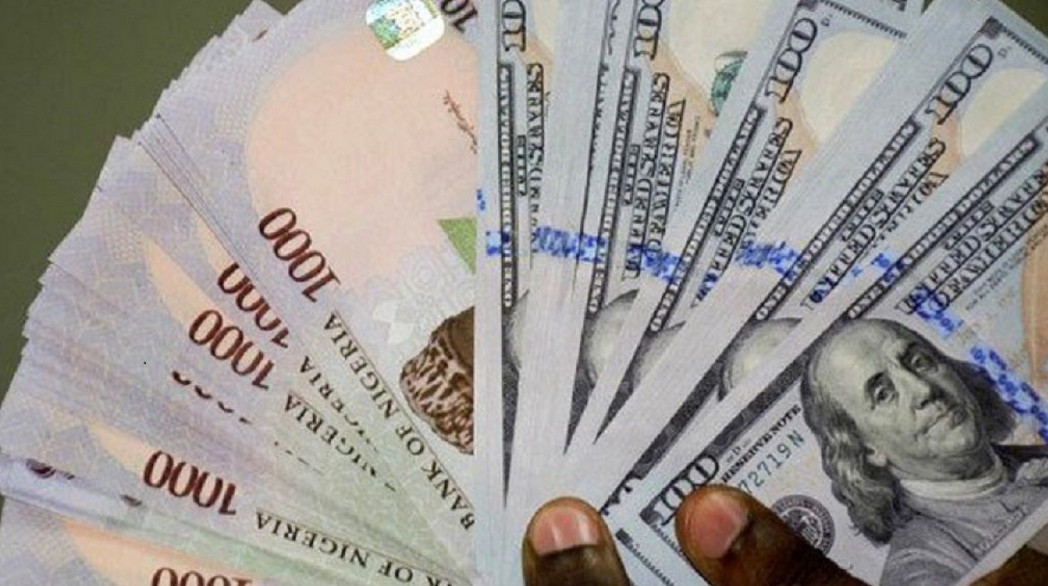
The Nigerian Naira maintained a stable trajectory against the US Dollar during early trading on Wednesday, March 11, 2026. Data from the Nigerian Foreign Exchange Market (NFEM) and parallel channels show the local currency has successfully resisted pressure from corporate demand. The Naira opened the day at ₦1,397.00 and, by mid-morning, was quoted at approximately ₦1,399.07.
The official window has seen a notable reduction in the “volatility spikes” that previously plagued business planning. The Central Bank of Nigeria (CBN) remains committed to its willing-buyer-willing-seller model, keeping the weekly mean rate near the ₦1,400 threshold. Market liquidity remains healthy, according to authorised dealers, who credit the bank’s hands-off yet vigilant approach for the current calm. This follows a closing rate of ₦1,390.50 on Tuesday, indicating only marginal intraday movement.
In the parallel market, the dollar is trading at ₦1,405 and ₦1,418. The spread between the official and informal sectors has narrowed to a mere 1.4 per cent, a result of long-term rate harmonisation policies. Speculative hoarding has largely vanished from the streets of Lagos and Abuja. Traders report that the consistent supply of foreign exchange through licensed Bureau De Change (BDC) operators has satisfied retail demand for travel and small-scale trade.
Several macroeconomic pillars are supporting the Naira’s strength this quarter. High-yield interest rates, with the Monetary Policy Rate (MPR) currently at 26.5 per cent, continue to attract foreign portfolio investment. Furthermore, the slowing of headline inflation to 15.10 per cent has bolstered the real value of the currency. The expansion of domestic refining has also slashed the traditional demand for dollars previously required to fund massive fuel imports.
Market analysts expect the Naira to fluctuate within a narrow band of ₦1,395 to ₦1,405 in the official window as the trading day closes. The current stability is a marked departure from the currency crises of previous years. Investor confidence remains high, underpinned by the central bank’s substantial leverage to smooth out liquidity mismatches. Stakeholders are now awaiting the next trade balance report to gauge the currency’s path for the rest of the quarter.
The broader economy appears to be reaping the benefits of this newfound currency discipline. Stable exchange rates allow manufacturers to forecast costs more accurately and protect consumers from the rapid price swings seen in imported goods. For now, the “willing-buyer-willing-seller” experiment is delivering on its promise of market transparency. The Naira, it seems, has found its footing.