


Naira Slumps as Corporate Dollar Demand Surges
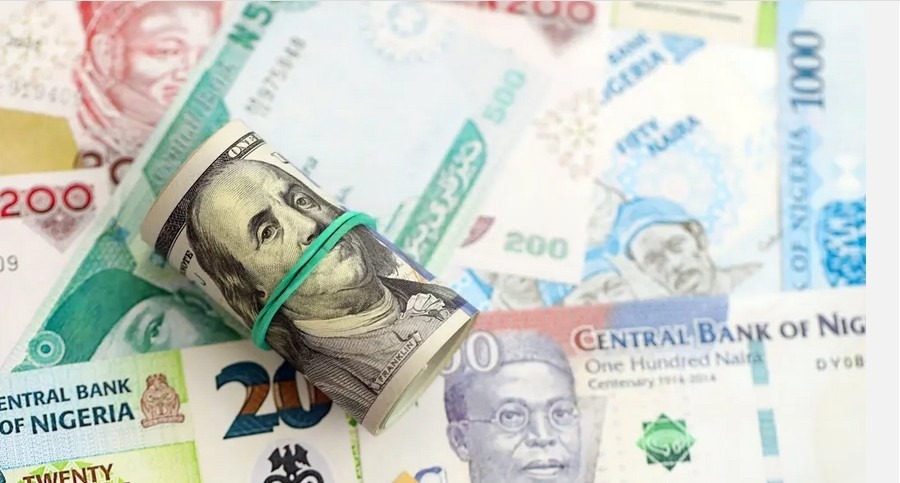
The Naira weakened by 2.48 percent in early Tuesday trading as corporate demand for the US Dollar intensified. Opening rates at the Nigerian Foreign Exchange Market averaged ₦1,388.38, a sharp drop from the previous week’s close of ₦1,353.90. This sudden volatility tested the Central Bank of Nigeria’s new electronic matching system. Intraday rates even touched ₦1,395.00 before finding a shaky floor. The pressure stems from firms rushing to settle end-of-quarter obligations.
The parallel market followed the official window downward as speculators returned to the streets. Traders in Lagos and Abuja quoted the Dollar between ₦1,415 and ₦1,425 today. This represents a clear slide from the ₦1,400 rate seen only days ago. Curiously, the gap between official and street prices has narrowed to just ₦27. This convergence usually signals a healthy market alignment. Today, however, it reflects the official rate falling toward the black market.
External reserves provide a thinning cushion for the embattled local currency. Nigeria’s buffers dropped to $49.78 billion in mid-March from a high of $50.45 billion in February. Sustained outflows and Middle Eastern tensions have dampened global financial flows into the country. The Central Bank must now decide if it will dip further into these reserves to defend the Naira. Current market liquidity remains too thin to absorb sudden spikes in demand.
High oil prices offer little immediate relief to the foreign exchange crisis. While Bonny Light trades above $100 per barrel, production hurdles limit the actual cash hitting the federation account. Previous crude-backed loan obligations also divert much of the expected windfall before it reaches the central bank. Nigeria is essentially watching a boom from the sidelines. The disconnect between global prices and local liquidity persists.
Monetary authorities hope their tightening stance will eventually anchor the currency. Headline inflation eased to 15.06 percent in February, providing a rare bit of optimism for the Governor. The bank remains committed to high interest rates to mop up excess Naira. Investors are now watching for the next intervention to see if the bank can maintain this narrow spread. Stability is the goal, but the market remains deeply sensitive to shocks.
The coming days will reveal if this depreciation is a blip or a trend. Traders expect the pressure to remain high until the quarter ends next week. Any further dip in autonomous inflows will force the apex bank’s hand. For now, the Naira remains at the mercy of corporate ledgers and global geopolitical shifts. The fight for currency stability is far from over.