


NATO Downs 3rd Iranian Missile Over Turkey
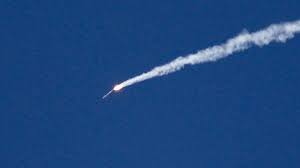
NATO air and missile defence assets deployed in the eastern Mediterranean have intercepted a third ballistic missile fired from Iran that entered Turkish airspace, Turkey’s defence ministry confirmed on Friday, marking an escalation in spillover threats from the ongoing Middle East conflict.
“A ballistic munition launched from Iran and entering Turkish airspace was neutralised by NATO air and missile defence assets deployed in the eastern Mediterranean,” the ministry stated in an official release issued Friday.
The interception occurred hours after air raid sirens sounded at Turkey’s strategic Incirlik airbase in the southern province of Adana at approximately 3:25 am local time, according to reports by the state-run Anadolu Agency. Incirlik, a major NATO facility, hosts American, Spanish, and Polish military personnel and has served as a critical hub for US operations in the Middle East for decades.
Residents of Adana were woken by the early morning sirens, with several posting footage on social media showing what appeared to be a fast-moving object on fire streaking across the sky, according to Ekonomim, a Turkish business news platform. Similar alarms were reported in Batman, a city located approximately 600 kilometres east of Incirlik, around 4:00 am. Local journalists indicated the sirens appeared to originate from a military drone base situated near Batman’s airport.
This marks the third such incident since the US-Israeli military campaign against Iran began on February 28, 2026. NATO air defences previously intercepted an Iranian ballistic missile on March 4, followed by a second interception on Monday. The repeated breaches of Turkish airspace have heightened concerns about Turkey’s exposure to the widening conflict despite Ankara’s official neutrality and its ongoing diplomatic engagement with Tehran.
Following Monday’s incident, the United States closed its consulate in Adana and issued a formal advisory urging all American citizens to leave southeastern Turkey. The advisory cited security risks stemming from the volatile regional situation and the potential for further missile activity over Turkish territory.
Iranian President Masoud Pezeshkian has denied that missiles were fired from Iranian territory. During a telephone conversation with Turkish President Recep Tayyip Erdogan, Pezeshkian reportedly rejected claims linking the projectiles to Iran, although the Turkish defence ministry and NATO have consistently attributed the launches to Iranian forces.
Since the commencement of hostilities on February 28, Iran has conducted retaliatory strikes across multiple locations in the Middle East in response to joint US-Israeli military operations. The conflict has triggered concerns among regional actors, including Turkey, which shares borders with both Iran and Syria and hosts millions of refugees from previous regional wars.
Incirlik airbase, located in southern Turkey near the Syrian border, has been a cornerstone of NATO’s strategic presence in the region since the Cold War. The facility has been used extensively by the United States for counter-terrorism operations, logistics support, and regional surveillance. According to the base’s official website, it currently hosts military personnel from the United States, Spain, and Poland, and serves as a forward operating location for NATO air operations.
In addition to Incirlik, American forces are stationed at Kurecik, a base in Turkey’s central Malatya province, where they operate an early-warning radar system described by NATO as a critical component of the alliance’s missile defence shield. The radar installation, part of NATO’s ballistic missile defence architecture, is capable of detecting missile launches from Iran and providing early-warning data to allied forces across the region.
The presence of the Kurecik radar has been a point of contention in Turkish-Iranian relations. Although Ankara has categorically denied that radar data from Kurecik has ever been shared with Israel, the facility’s strategic role in NATO’s missile defence network has raised concerns in Tehran about its potential use in monitoring Iranian military activity.
In response to the escalating missile threats, Turkey announced on Tuesday that a Patriot missile defence system was being deployed in Malatya, just days after NATO announced measures to strengthen its “alliance-wide ballistic missile defence posture.” The deployment underscores growing alarm within the Turkish government over the security of its southern and eastern borders as the Iran conflict intensifies.
Turkey’s geographic position places it at the crossroads of escalating regional tensions. The country shares a 534-kilometre border with Iran and has historically maintained complex relations with Tehran, balancing diplomatic engagement with strategic alignment to NATO. Ankara has pursued an independent foreign policy under President Erdogan, often mediating between rival regional powers while maintaining its commitments as a NATO member since 1952.
The repeated interceptions of Iranian missiles over Turkish airspace have prompted internal debates within Turkey about the risks associated with hosting NATO infrastructure. Opposition parties and some analysts have questioned whether Turkey’s alliance obligations are exposing the country to unnecessary security threats, particularly as the conflict between the United States, Israel, and Iran shows no signs of de-escalation.
NATO has not issued a detailed public statement on the interceptions beyond confirming the deployment of missile defence assets in the eastern Mediterranean. However, alliance officials have emphasized the importance of collective defence measures and the protection of member states’ territorial integrity in the face of external threats.
Turkey’s defence ministry has not disclosed the specific type of missile intercepted on Friday or provided technical details about the interception mechanism used. Previous interceptions are believed to have involved ship-based Aegis missile defence systems operated by NATO naval forces stationed in the Mediterranean, although Turkish land-based Patriot batteries may also have been involved.
The escalation in missile activity over Turkish territory has drawn attention to the broader regional implications of the US-Israeli military campaign against Iran. The conflict, which began on February 28 following months of rising tensions over Iran’s nuclear program and regional influence, has triggered Iranian retaliation across Iraq, Syria, and Lebanon, with Tehran reportedly targeting US military installations and allied positions.
As the situation continues to evolve, Turkish authorities have urged calm while reinforcing air defence measures and coordinating closely with NATO partners. The Turkish military remains on heightened alert, particularly in provinces bordering Syria and Iraq, where the risk of spillover violence remains elevated.
The interception of three ballistic missiles within less than two weeks marks an unprecedented escalation in the direct security threats facing Turkey since the outbreak of the latest Middle East conflict. Observers note that sustained missile activity over Turkish airspace could test Ankara’s delicate balancing act between its NATO commitments and its desire to maintain diplomatic channels with Iran and other regional actors.