

NCDC Warns of Lassa Fever Surge Among Medical Personnel
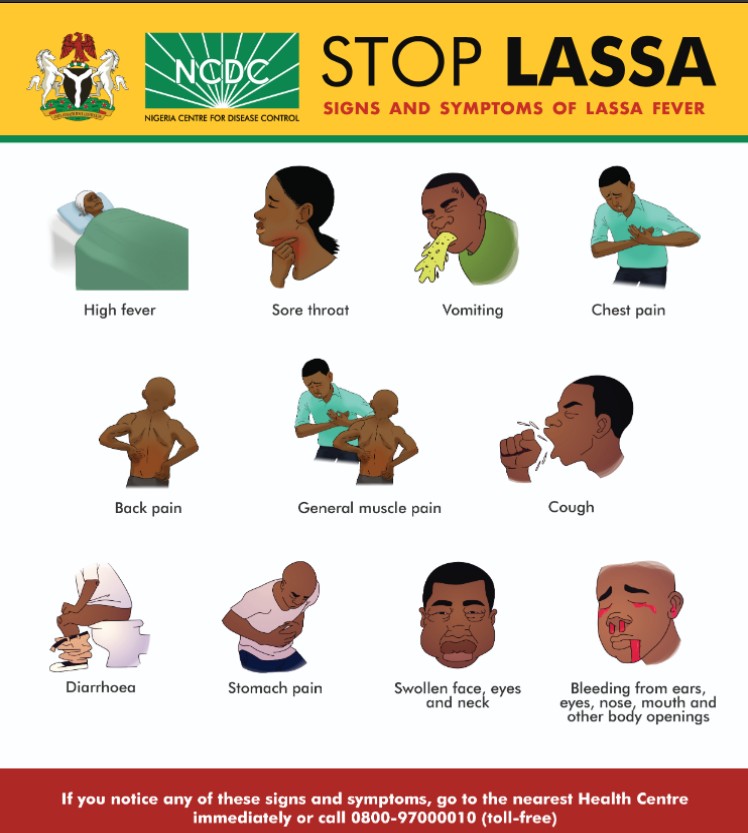
ABUJA — The Nigeria Centre for Disease Control and Prevention (NCDC) has issued a high-priority advisory following a sharp spike in Lassa fever infections among the nation’s frontline defenders. As of Epidemiological Week 7 of the 2025/2026 transmission season, 15 healthcare workers have tested positive for the viral hemorrhagic illness, with two confirmed fatalities. This disturbing trend emerged just as the national death toll reached 31 within the first five weeks of the year. Consequently, the NCDC has mandated a “heightened index of suspicion” across all clinical settings. The agency warns that the virus is no longer confined to traditional hotspots, with Benue State recently declaring its own outbreak after losing four medical staff to the disease.
Investigations by the NCDC suggest that many of these infections were entirely avoidable. The agency identified significant gaps in Infection Prevention and Control (IPC) measures, particularly in outpatient departments and general wards. Furthermore, many clinicians reportedly operate under a false sense of security, believing that only designated isolation units harbor the risk. While it is true that the Mastomys rat remains the primary vector, person-to-person transmission in hospitals is becoming a critical driver of the 2026 surge. Indeed, the NCDC noted that non-clinical staff, including cleaners and administrative officers, are equally vulnerable due to inconsistent use of Personal Protective Equipment (PPE).
The national case fatality rate (CFR) for 2026 stands at 18.8%, slightly lower than the 19.6% recorded during the same period last year. Granted, this statistical dip offers little comfort to high-burden states like Bauchi, which accounts for 47% of all confirmed cases nationwide. In a related development, Ondo, Taraba, and Edo states continue to report high infection rates, together representing 92% of the national burden. Notably, the NCDC has activated the National Lassa Fever Emergency Operations Centre to coordinate a rapid response. Above all, the agency stresses that every febrile illness must now be treated as a potential Lassa case until proven otherwise.
Significantly, the NCDC advisory highlights that poor hand hygiene and the handling of contaminated body fluids remain the primary modes of hospital-acquired infections. The agency has directed all state ministries of health to establish functional isolation areas and clear referral pathways. Subsequently, medical facilities must ensure the availability of fluid-resistant gowns, respirators, and medical-grade disinfectants at all points of care. Although the “brain drain” has thinned the medical ranks, the Sultan of Sokoto and other national leaders have urged the government to prioritize the safety of the remaining workforce. For the commuter in Lagos, the message is clear: the safety of those who save us is non-negotiable.
Finally, the NCDC maintains that strict adherence to standard precautions is the only barrier between a controlled outbreak and a national catastrophe. For this reason, all health workers must report accidental exposures immediately and avoid self-medication for febrile symptoms. As a result of this crisis, the 2026 Lassa season has become a litmus test for the resilience of Nigeria’s primary healthcare infrastructure. Accordingly, the quest for “health security sovereignty” depends on the survival of the men and women in white.