
Netanyahu Rejects Lebanon Inclusion in US-Iran Truce
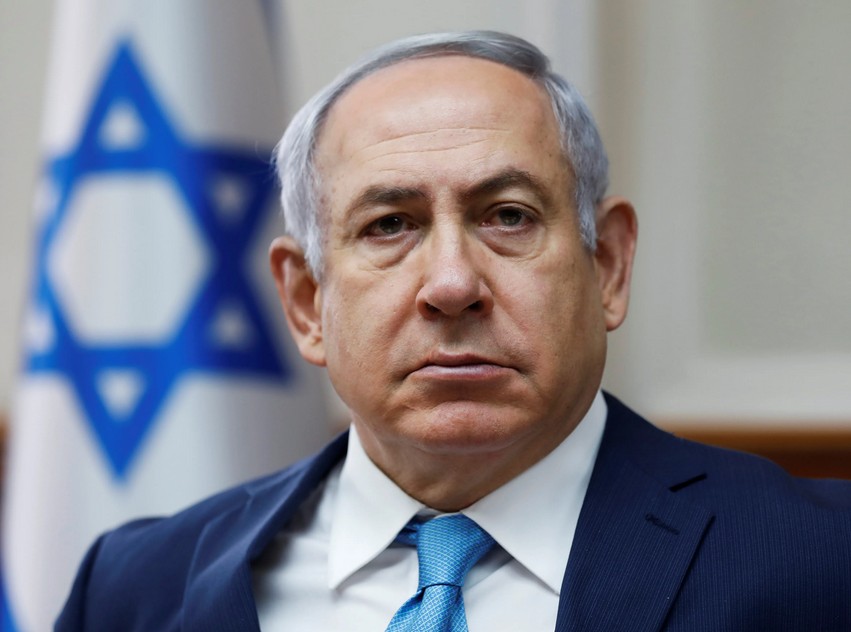
The fragile two-week ceasefire between Washington and Tehran will not extend to the Lebanese front, according to the Israeli Prime Minister. Benjamin Netanyahu clarified on Wednesday that while Israel supports the American effort to neutralise the Iranian nuclear and missile threat, its own military campaign against Hezbollah continues unabated. This distinction sets Jerusalem at odds with claims from Islamabad, where Pakistani Prime Minister Shehbaz Sharif earlier announced a global cessation of hostilities. The discrepancy suggests a significant coordination gap between the coalition partners or a deliberate Israeli defiance of the broader truce.
Israel’s air and ground operations in Lebanon have intensified since early March, following Hezbollah’s entry into the conflict. The group launched retaliatory strikes after the assassination of Iran’s Supreme Leader, Ayatollah Ali Khamenei, on February 28. Since then, the humanitarian cost in Lebanon has mounted rapidly, with local authorities reporting over 1,500 deaths and the displacement of 1.2 million people. Israel maintains that its invasion of southern Lebanon is a necessary measure to establish a buffer zone and secure its northern border.
The refusal to halt fire in Lebanon places the Lebanese government in a precarious diplomatic position. Prime Minister Nawaf Salam has suggested that Tehran retains operational control over Hezbollah’s military decisions, making upcoming US-Iran negotiations vital for Beirut’s survival. However, Israel demands security guarantees that the weakened Lebanese state appears unable to provide. Without a formal mechanism to enforce a withdrawal or a cessation of cross-border fire, the southern border remains a volatile theatre of war regardless of events in Tehran.
Hezbollah’s strategy appears rooted in a desire for greater political leverage. By tethering its fate to the Iranian military campaign, the group hopes to force Israel into concessions it failed to secure during the short-lived November 2024 ceasefire. That previous agreement collapsed under the weight of near-daily violations and Israel’s refusal to release detainees or permit the return of displaced civilians. Now, Hezbollah calculated that a multi-front war would bog down the Israeli military and improve its hand at the negotiating table.
On the ground, the violence shows no sign of pausing for diplomacy. Israeli forces launched fresh strikes on Wednesday morning, targeting the town of Srifa and a vehicle in Sadiqin. These attacks underline Netanyahu’s commitment to a separate military track for Lebanon, isolated from the White House’s deal with Iran. The absence of an immediate response from Hezbollah suggests the group is awaiting instructions from a leadership in flux.
The next fortnight will determine if the US-Iran truce is a genuine step toward regional peace or a mere tactical pause for the principals. If Israel continues its push into southern Lebanon, the conflict risks dragging Iran back into the fray to protect its most valuable proxy. For now, the “immediate ceasefire everywhere” promised by international mediators has not reached the ruins of southern Tyre.