

Nigeria Deploys Fighter Jets to Benin Republic Amid Alleged Coup
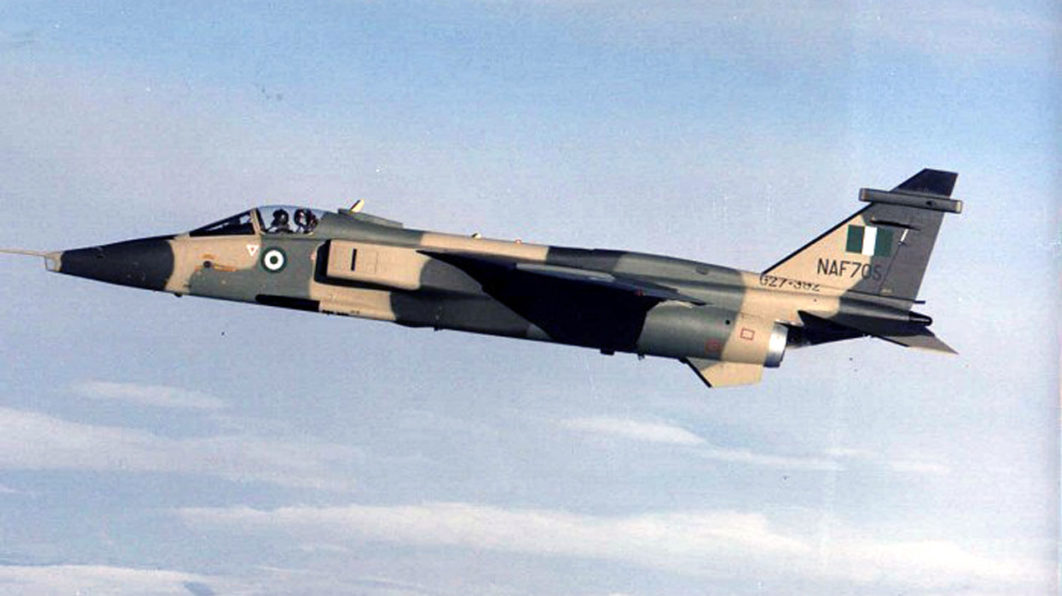
Nigeria has deployed military aircraft to the Benin Republic following unconfirmed reports of a coup attempt that allegedly targeted President Patrice Talon on Sunday, marking a significant escalation in regional security concerns along West Africa’s coastal corridor.
Security sources confirmed that fighter jets took off from Lagos and were observed conducting aerial surveillance operations within Benin Republic’s airspace as Nigerian authorities work to assess the rapidly evolving political situation in the neighboring nation. The deployment represents Nigeria’s immediate response to potential instability at its western border.
A senior security official, speaking on condition of anonymity, characterized the operation as precautionary rather than offensive. The source indicated that Nigeria is closely evaluating potential threats to regional stability and national security interests stemming from the reported takeover.
“The aircraft have already arrived in Benin Republic. Nigeria is closely monitoring developments and evaluating potential risks. This is not an offensive operation but a strategic response to unfolding events,” the official stated.
Reports emerging from Benin Republic suggest that Lt. Pascal Tigri led the alleged military takeover and announced the assumption of full military control. A group calling itself the Military Committee for Rebuilding reportedly claimed responsibility for the action, issuing sweeping declarations that include suspension of the November 2025 Constitution, dissolution of all state institutions, and suspension of political party activities.
The group also announced the immediate closure of Benin Republic’s land, sea, and air borders until further notice, a move that would significantly impact regional trade and movement. Nigeria and Benin Republic share extensive economic ties, with substantial cross-border commerce flowing through official and informal channels daily.
The geographic proximity between the two nations makes political instability in Benin Republic a direct concern for Nigerian security planners. Nigeria shares a lengthy and porous border with Benin Republic, stretching from Lagos State through Ogun, Oyo, and into northern territories. This border has historically presented challenges for security management, including smuggling, irregular migration, and cross-border criminal activity.
As of Sunday evening, the Nigerian government had not released an official statement addressing the situation or confirming the deployment. However, military sources indicated that surveillance operations would continue indefinitely while authorities work to clarify the situation on the ground.
The reported coup, if confirmed, would represent another instance of democratic backsliding in West Africa, a region that has experienced multiple military takeovers in recent years. Mali, Burkina Faso, Niger, and Guinea have all witnessed successful coups since 2020, raising concerns about the erosion of constitutional governance across the Sahel and coastal West African states.
Benin Republic, under President Patrice Talon’s leadership, has been considered relatively stable compared to some regional neighbors, though Talon’s governance has faced criticism from opposition groups and international observers regarding democratic freedoms.
The country conducted legislative elections in November 2025, though details about the constitutional changes referenced by the alleged coup leaders remain unclear.
Nigeria’s response reflects its position as West Africa’s largest economy and most populous nation, with significant interests in maintaining regional stability. As a key member of the Economic Community of West African States, Nigeria has historically played a central role in addressing political crises within the regional bloc, including through diplomatic intervention and peacekeeping operations.