

Nigeria Joins 30 Other African Nations on FAO Food Crisis List
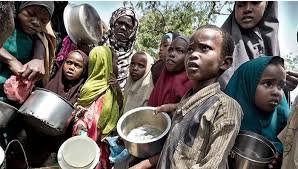
Nigeria has been classified among 31 African countries requiring external food assistance as global food insecurity deepens amid rising oil prices and the escalating Middle East conflict, according to assessments released by the United Nations Food and Agriculture Organisation and the World Food Programme.
The World Food Programme warned on Tuesday that approximately 10.4 million people in West and Central Africa could be pushed into acute food insecurity if the ongoing Middle East crisis persists, with global implications potentially affecting 45 million additional people worldwide.
The WFP statement, published on its official website, highlighted the cascading effects of the conflict involving Iran and a combined military force of Israel and the United States, which has driven oil prices to sustained highs around $100 per barrel, directly impacting food production and distribution costs across vulnerable regions.
“If this conflict continues, it will send shockwaves across the globe, and families who already cannot afford their next meal will be hit the hardest,” stated Carl Skau, WFP Deputy Executive Director. “Without an adequately funded humanitarian response, it could spell catastrophe for millions already on the edge.”
The warning comes against a backdrop of 318 million people already facing hunger worldwide, according to WFP data, with African nations particularly vulnerable due to heavy dependence on food and fuel imports. The agency’s projections indicate a 21 percent increase in food-insecure populations for West and Central Africa and a 17 percent rise for East and Southern Africa if current conditions persist.
The WFP’s analysis modeled the impact of sustained high oil prices on global food systems, assessing the number of people unable to afford a minimum energy-sufficient diet of 2,100 kilocalories per day. The methodology factored in rising transportation and food costs, as well as each country’s dependence on imported food and energy supplies, providing a comprehensive picture of vulnerabilities across different regions.
Simultaneously, the Food and Agriculture Organisation released its Crop Prospects and Food Situation Report for March 2026, identifying 41 countries worldwide that require external assistance for food. The breakdown shows 31 countries in Africa, eight in Asia, one in Latin America and the Caribbean, and one in Europe, underscoring Africa’s disproportionate vulnerability to food crises.
The 31 African countries listed include Kenya, Somalia, Sudan, Burundi, Central African Republic, Chad, Democratic Republic of Congo, Djibouti, Ethiopia, Malawi, Mauritania, Niger, Nigeria, South Sudan, Burkina Faso, Cameroon, Eswatini, Guinea, Lesotho, Liberia, Libya, Madagascar, Mali, Mozambique, Namibia, Senegal, Sierra Leone, Uganda, United Republic of Tanzania, Zambia and Zimbabwe.
According to the FAO assessment, these nations are experiencing dire circumstances driven by a combination of adverse climatic conditions, geopolitical obstacles, armed conflicts, and prolonged wars that have decimated agricultural productivity and disrupted food supply chains.
Nigeria’s inclusion on the list reflects persistent challenges facing Africa’s most populous nation, despite being a major oil producer. The country has struggled with recurring food security crises driven by insurgency in the northeast, banditry across the northwest and north-central regions, farmer-herder conflicts, displacement of farming communities, and climate variability affecting agricultural output.
The FAO report noted that across the African continent, conflicts, climate variability, high input prices, and mass displacement continue to severely impact agricultural production and food security. Countries such as Kenya, Somalia, Sudan, Burundi, Central African Republic, Chad, Democratic Republic of Congo, Ethiopia, Nigeria, South Sudan and Mali are facing particularly difficult circumstances that require urgent international intervention.
Conflict and insecurity were identified as the primary drivers of severe acute food insecurity, with weather-related shocks further exacerbating conditions in multiple regions. The compounding effects of these factors have created what humanitarian organizations describe as a perfect storm of vulnerability, particularly in nations with weak governance structures and limited fiscal capacity to respond independently.
The Middle East conflict’s impact on global energy markets has created ripple effects that extend far beyond the immediate region. Oil price volatility has historically correlated with food price increases, as energy costs affect every stage of the food production and distribution chain, from fertilizer manufacturing and mechanized farming to transportation and storage.
For import-dependent African countries, the dual burden of rising food and fuel costs has created fiscal pressures that limit governments’ ability to provide subsidies or safety nets for vulnerable populations. Countries that import both food staples and petroleum products face particularly acute challenges, as foreign exchange constraints limit their purchasing power in international markets.
The WFP’s warning about West and Central Africa is particularly significant given the region’s exposure to multiple simultaneous shocks. The Sahel region, which spans several countries on the list including Burkina Faso, Chad, Mali, Mauritania, Niger, and Senegal, has experienced a dramatic deterioration in security conditions over the past decade, with jihadist insurgencies disrupting farming activities and forcing millions into displacement.
In Nigeria, humanitarian agencies have documented severe food insecurity across multiple states, with the northeast remaining particularly vulnerable due to the 15-year Boko Haram insurgency that has displaced approximately 2.6 million people and destroyed agricultural infrastructure across Borno, Adamawa, and Yobe states. The northwest has experienced similar disruptions due to banditry and kidnapping, which have forced farmers to abandon farmlands and reduced agricultural output in traditionally productive states.
Climate variability has compounded these security-related challenges. Erratic rainfall patterns, flooding, and droughts have affected planting seasons and reduced yields across multiple agricultural zones. The 2022 floods, which affected 34 out of 36 states and displaced over 1.4 million people, demonstrated Nigeria’s vulnerability to climate shocks, with significant impacts on food production that have carried into subsequent years.
The FAO assessment comes as international humanitarian funding faces significant constraints. The United Nations has consistently reported funding gaps in humanitarian appeals for African crises, with many operations receiving less than 50 percent of required resources. This funding shortfall limits agencies’ ability to provide life-saving assistance and implement resilience-building programs that could reduce vulnerability over the long term.
The global context of 318 million people facing hunger represents a significant increase from pre-pandemic levels, reflecting the cumulative impact of COVID-19 economic disruptions, climate change, and conflicts. The United Nations Sustainable Development Goal of achieving zero hunger by 2030 appears increasingly unattainable without dramatic policy shifts and increased international cooperation.
For Nigeria, the external food aid requirement designation highlights the gap between the country’s agricultural potential and its current reality. Despite having approximately 84 million hectares of arable land, Nigeria imports significant quantities of rice, wheat, and other staples, spending billions of dollars annually on food imports while millions of citizens face food insecurity.
The WFP and FAO assessments underscore the interconnected nature of global crises and the vulnerability of African food systems to external shocks. As the Middle East conflict continues without clear resolution, humanitarian agencies are calling for urgent international action to prevent a catastrophic escalation of food insecurity across the continent.
Neither the WFP nor FAO provided specific timelines for when the projected increases in food insecurity might materialize, but both agencies emphasized that early intervention and adequate funding are critical to preventing worst-case scenarios.
The Nigerian government has not issued an official response to the FAO classification as of the time of this report. However, the listing adds pressure on authorities to address structural challenges in agricultural productivity, security, and climate resilience as the country approaches the 2026 planting season.