


Nigeria Records N940bn Export Decline Amid U.S. Tariff Shift, Trade Balance Reverses.
Nigeria’s trade balance with the United States swung sharply into deficit in the first nine months of 2025, as exports fell by nearly N941 billion and imports more than doubled, according to foreign trade data from the National Bureau of Statistics (NBS).
The figures reveal a dramatic reversal from the same period in 2024, when Nigeria maintained a trade surplus of N1.57 trillion with the U.S. By the third quarter of 2025, that surplus had turned into a deficit of approximately N3.15 trillion.
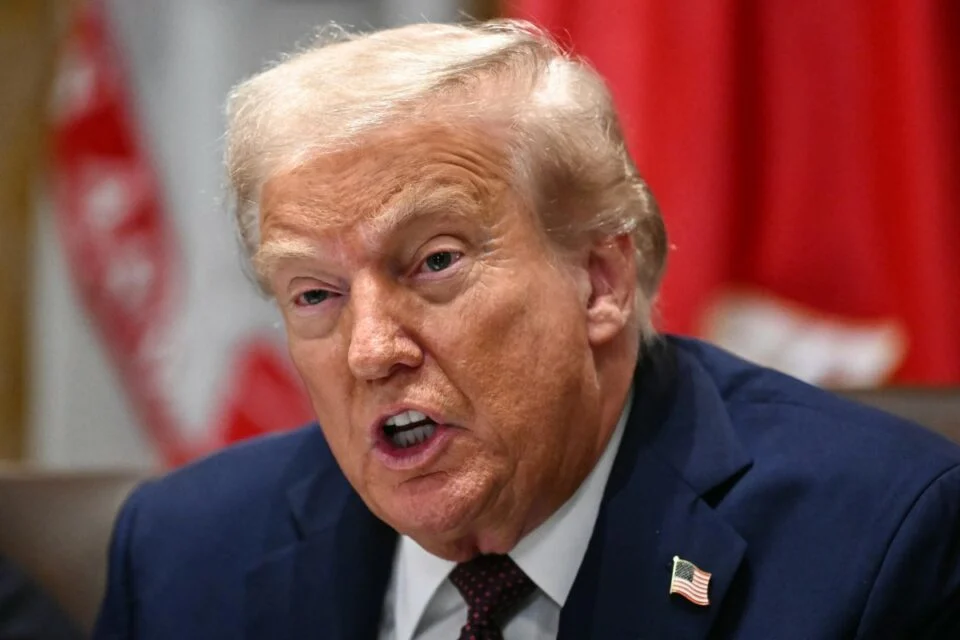
The shift coincides with the implementation of a revised U.S. tariff regime under President Donald Trump. An executive order signed in late July and effective from August 7 raised the tariff rate on most Nigerian goods from 14% to 15%. While crude oil exports were largely exempted, the change created immediate uncertainty for American importers of Nigerian non-oil products.
Export Earnings Collapse
Total exports to the U.S. fell from N4.59 trillion between January and September 2024 to N3.65 trillion in the same period in 2025—a decline of 20.5%. The drop was most severe in the third quarter, following the tariff announcement, with exports plunging 45.3% from the previous quarter to just N743.63 billion.
Conversely, imports from the U.S. surged by 125.5% over the nine-month period, from N3.01 trillion to N6.80 trillion. This surge was driven largely by increased purchases of crude petroleum oils, used vehicles, wheat, and industrial materials.
Non-Oil Exports Bear the Brunt
The data indicates that non-oil exports have been disproportionately affected. While crude oil remained Nigeria’s top export to the U.S. by value in the first quarter, the export basket narrowed significantly thereafter. By the second and third quarters, exports consisted mainly of cocoa beans, urea, rubber, and minor agricultural goods, with the U.S. dropping out of Nigeria’s top five export destinations entirely.
Quarterly analysis shows a stark contrast:
– Q3 2024: Nigeria recorded a trade surplus of N649.71 billion.
– Q3 2025: The surplus turned into a deficit of N2.48 trillion.
Government Response: Focus on Resilience and Diversification
In response to the trade pressures, President Bola Tinubu stated in September that his administration “will remain resilient” and expressed no fear of the U.S. tariff policy. He pointed to Nigeria’s growing non-oil revenues as a buffer against external shocks.
The Minister of Industry, Trade and Investment, Dr. Jumoke Oduwole, emphasized a strategic, non-retaliatory approach. “Nigeria remains responsive; we’re not reacting,” she said. “We’re focused on the eight-point agenda of President Bola Tinubu.”
Oduwole highlighted ongoing efforts to strengthen Nigeria’s position within the African Continental Free Trade Area (AfCFTA) and to boost non-oil exports, which she noted grew by 24% year-on-year in the first quarter of 2025.
The NBS data underscores the vulnerability of Nigeria’s export economy to sudden shifts in the trade policies of key partners. With the U.S. tariff regime expected to remain in place, analysts suggest that accelerating export diversification and enhancing the competitiveness of Nigerian non-oil goods will be critical to reversing the declining trade trend.