

Nigeria, Sweden Partners on Green Tech and Creative Trade
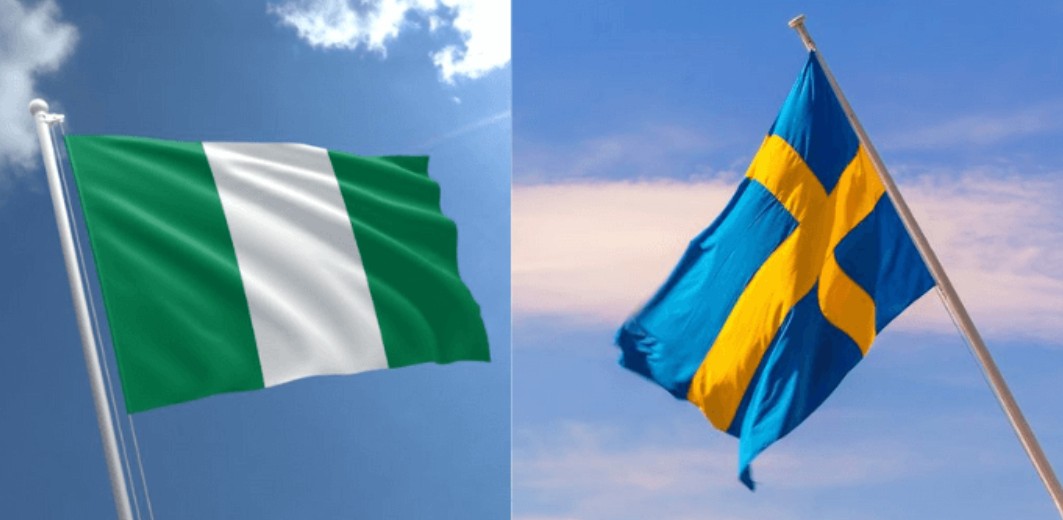
Nigeria and Sweden have formalised a new strategic roadmap to deepen cooperation in digital infrastructure, green energy, and the creative economy. Following a high-level meeting in Abuja between Foreign Affairs Minister Yusuf Tuggar and Swedish Ambassador Anna Westerholm, both nations committed to leveraging Sweden’s technological expertise to bolster Nigeria’s transition to a digital economy. A key signal of this intent is the recent establishment of a Swedish trade office in Lagos, headed by a government-appointed Trade Commissioner.
Stockholm’s interest in Nigeria has shifted beyond traditional aid toward high-value innovation partnerships. Ambassador Westerholm identified digital connectivity and “green” technology as the primary frontiers for Swedish investment. As one of the world’s most innovation-driven economies, Sweden aims to integrate its business models with Nigeria’s rapidly expanding tech ecosystem. This follows earlier diplomatic momentum generated by a visit from the Swedish Crown Princess, indicating a sustained, top-tier interest in the Nigerian market.
The creative industry emerged as an unexpected but vital pillar of the new bilateral agenda. Sweden, a global leader in music streaming and production technology, is eyeing Nigeria’s Afrobeats explosion as a gateway for commercial synergy. The partnership seeks to merge Swedish music business frameworks with Nigeria’s vibrant content creation industry. This cultural-economic bridge is seen as a way to formalise the “creative export” of Nigerian talent while utilising Swedish digital distribution infrastructure.
Regional security and the shifting geopolitics of West Africa also dominated the talks. Sweden commended Nigeria’s role as a stabilising force within the Economic Community of West African States (ECOWAS), particularly regarding its engagement with the Alliance of Sahel States (AES). Minister Tuggar reaffirmed that Nigeria’s response to regional governance challenges remains rooted in strengthening democratic institutions and fostering dialogue across the Sahel. Both parties acknowledged that regional stability is a prerequisite for the long-term success of their trade ambitions.
On the economic front, Minister Tuggar highlighted the ECOWAS Trade Liberalisation Scheme (ETLS) as a framework ripe for Swedish private sector participation. While the legal structures for regional trade are largely in place, the minister noted that unlocking the full benefits of the ETLS requires the kind of “large-scale private investment” that Swedish firms can provide. Sweden’s State Secretary is expected in Nigeria in the coming days to further refine these commercial agreements.
The reaffirmed partnership underscores a mutual recognition of Nigeria as a “reliable partner” in the rules-based international order. For Stockholm, Nigeria represents the indispensable gateway to African markets; for Abuja, Sweden offers a blueprint for a high-tech, sustainable future. As the war in the Middle East continues to disrupt global supply chains, both nations appear keen to secure stable, innovation-led growth through this strengthened North-South alliance.