


Nigeria to Roll Out Twice-Yearly HIV Prevention Injection
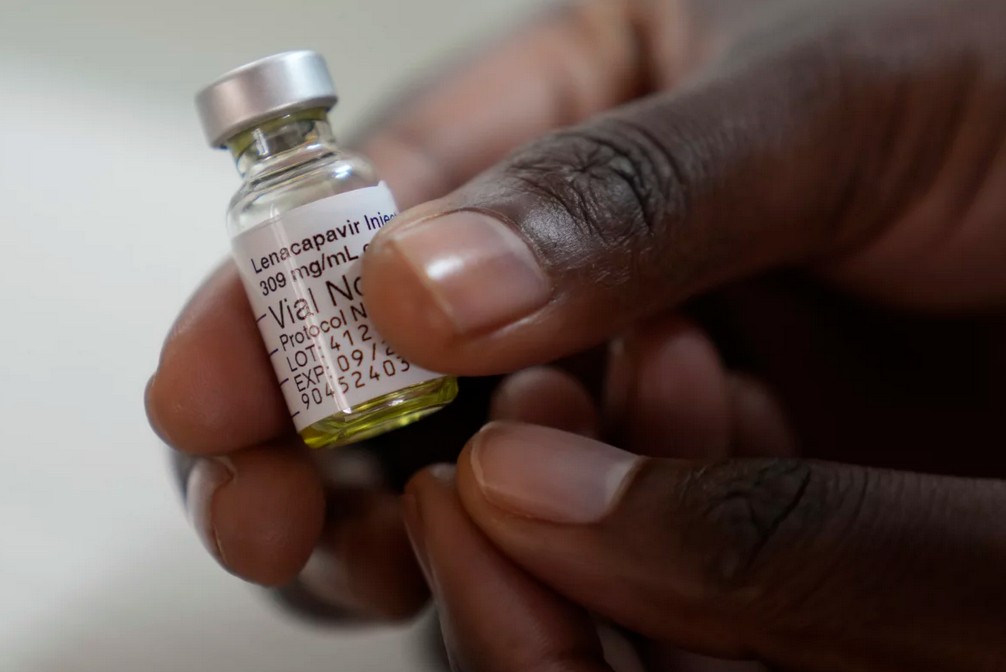
Nigeria will receive its first consignments of Lenacapavir, a ground-breaking HIV prevention drug, this month. The National Agency for the Control of AIDS (NACA) confirmed on Monday that the country is ready to deploy the twice-yearly injectable. This shift from daily oral pills to a biannual shot marks a significant pivot in the national strategy to curb new infections. The federal government is currently finalising the rollout of the drug as a form of pre-exposure prophylaxis (PrEP).
Lenacapavir offers a discreet and long-acting alternative to the daily medication that has anchored HIV prevention for over a decade. While oral PrEP is effective, global uptake has been hampered by the burden of daily adherence. A twice-yearly injection removes this obstacle, potentially transforming outcomes for high-risk groups. NACA believes this simplified regimen will accelerate Nigeria’s progress toward epidemic control by mid-decade.
Preparations for a structured rollout are already advanced in ten priority states. These include Lagos, Kano, Anambra, and the Federal Capital Territory, where readiness assessments have evaluated clinic capacity and staff training. The National Agency for Food and Drug Administration and Control (NAFDAC) has already granted the necessary regulatory clearance. Health workers in these regions have undergone specialised training to manage the administration of the new long-acting formula.
Cost remains the most significant hurdle to widespread access. In the United States, a year’s supply of Lenacapavir costs approximately $28,000 per person. However, through international partnerships involving the Gates Foundation and Unitaid, generic versions will be available in Nigeria for about $40 annually. This dramatic price reduction is essential for a self-reliant national HIV programme that does not depend solely on volatile foreign aid.
The agency has also developed a suite of educational materials to drive public awareness before the first needles hit arms. Demand generation is a priority, as the success of the programme depends on community trust and uptake. Officials are targeting populations that have historically struggled with the stigma or logistics of daily pill-taking. If successful, the Nigerian model could serve as a blueprint for other sub-Saharan African nations.
The introduction of Lenacapavir comes at a critical time for the national health budget. Moving toward long-acting injectables may reduce the long-term costs associated with treating new infections and managing chronic illness. For now, the focus remains on the logistical challenge of distributing the drug to the last mile. This March delivery is not just a medical milestone; it is a test of Nigeria’s public health infrastructure.