

Nigeria Woos Emirati Giants to Resuscitate National Carrier
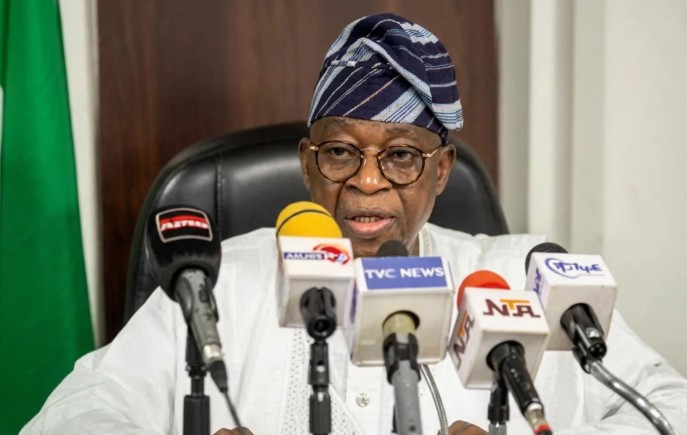
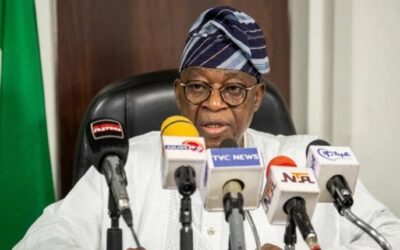
Nigeria has secured the backing of UAE maritime titans AD Ports Group and DP World to refloat a national shipping carrier. The Minister of Marine and Blue Economy, Adegboyega Oyetola, announced the partnership on Thursday during a sectoral retreat in Lagos. The move aims to end Nigeria’s expensive reliance on foreign vessels and retain more maritime value within the local economy. By partnering with established global players, the government hopes to avoid the bureaucratic shipwrecks that sank previous national lines.
The new carrier sits at the heart of a broader plan to empower indigenous shipowners. Oyetola confirmed the “imminent” disbursement of the Cabotage Vessel Financing Fund (CVFF), a long-delayed pool of capital intended to help locals buy ships. For decades, Nigerian operators have complained of being sidelined in their own waters. This twin-track approach—building a national champion while funding private players—is the administration’s most aggressive attempt yet to dominate the Gulf of Guinea.
Port modernisation is also going national to dispel fears of a Lagos-only focus. Procurement is now underway for upgrades in Warri, Port Harcourt, Onne, and Calabar. These interventions aim to slash vessel turnaround times and fix the chronic congestion that makes Nigerian ports some of the most expensive in Africa. The Minister described the programme as a “transformative intervention” by the Tinubu administration to lower the cost of doing business.
The government is also looking beyond existing harbours to a new generation of deep seaports. Approvals have been granted for greenfield projects in Bayelsa, Cross River, Akwa Ibom, and Ondo. These facilities are designed to decongest the Lagos axis and open new economic corridors in the South-South and South-West. If these projects move from paper to pier, they could position Nigeria as the primary maritime gateway for the continent.
Efficiency remains the ultimate goal of these structural reforms. Beyond concrete and cranes, the Ministry is pushing for a digital overhaul of cargo handling. The intent is to stimulate trade and attract diversified investment across the “blue economy” spectrum. Success will depend on whether these Emirati partnerships translate into actual hulls in the water or merely more high-level memoranda.
Nigeria’s maritime sector has long been a sleeping giant, hampered by decaying infrastructure and policy inconsistency. The involvement of DP World, a company that manages dozens of terminals globally, suggests a shift toward international standards. Oyetola’s task is to ensure that this latest attempt at a national carrier does not suffer the same fate as the defunct Nigerian National Shipping Line. For a country with a vast coastline and huge import needs, the logic of owning its own fleet is as clear as it is overdue.