

Nigerian and Ghanaian Forces Rescue 44 Ghanaian Citizens
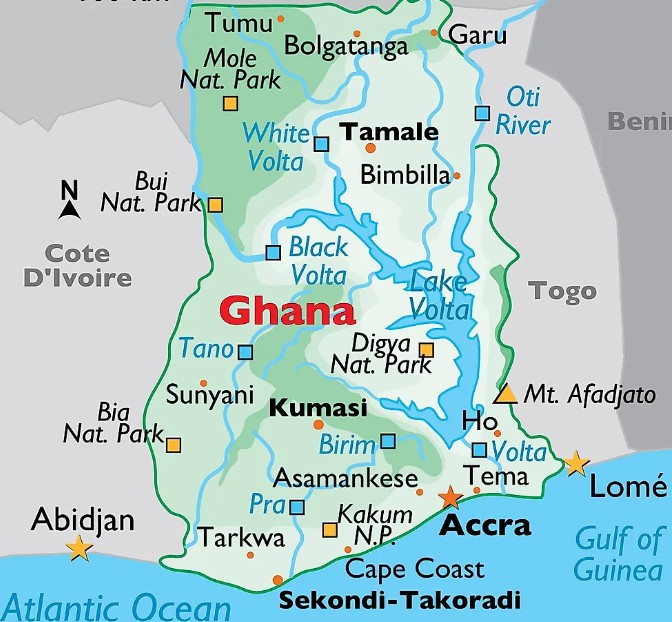
The Ghanaian government has secured the return of 44 citizens rescued from a sophisticated human trafficking syndicate operating in Nigeria. In a coordinated operation involving Nigeria’s State Security Service (SSS) and Ghanaian intelligence, the victims were extracted from exploitative conditions and flown back to Accra on Friday. This intervention marks a significant success in cross-border security cooperation, though it highlights the growing menace of digital recruitment used by criminal networks in West Africa.
The syndicate primarily relied on “Onet” and similar informal recruitment platforms to lure victims with fraudulent job and travel offers. Once the Ghanaians arrived in Nigeria, the “lucrative opportunities” vanished. They were instead subjected to restricted movement, psychological coercion, and forced labour. In a grim twist characteristic of modern trafficking, many victims were pressured to recruit their own friends and family back home to expand the ring.
Ghana’s Ministry of Foreign Affairs has issued a public warning specifically naming the Onet platform as a tool for traffickers. The ministry noted that these recruiters often use social media to cast a wide net for vulnerable young people. The 44 rescued individuals are currently undergoing rehabilitation and reintegration programmes in Accra. Nigerian authorities have now expanded their investigation to determine if more victims remain in captivity under similar schemes.
The “Onet” operation is not an isolated case but part of a broader trend of “cyber-trafficking” in the region. These syndicates often blend human trafficking with online fraud, forcing captives to operate romance scams or phishing schemes. By moving victims across the Nigeria-Ghana border, traffickers exploit jurisdictional gaps to evade local police. This latest rescue suggests that intelligence-sharing between Abuja and Accra is finally beginning to close those gaps.
Ghanaian officials expressed “profound appreciation” for the swift intervention of the Nigerian security apparatus. However, the rescue also serves as a sobering reminder of the persistence of human trafficking despite increased regional enforcement. Both governments have pledged to work more closely with stakeholders to dismantle the remaining hubs of these criminal networks. The focus is shifting from simple rescue to the destruction of the infrastructure that supports these syndicates.
For the public, the takeaway is clear: digital caution is a survival skill. The Ministry of Foreign Affairs urged Ghanaians to verify all foreign employment offers through official channels before departing. While the 44 have been brought home, the shadowy recruiters behind the screens remain active. The battle against West African trafficking is moving from the physical borders to the digital ones.