

Nigerian Leaders Replaced Colonial Masters After Independence — Soyinka
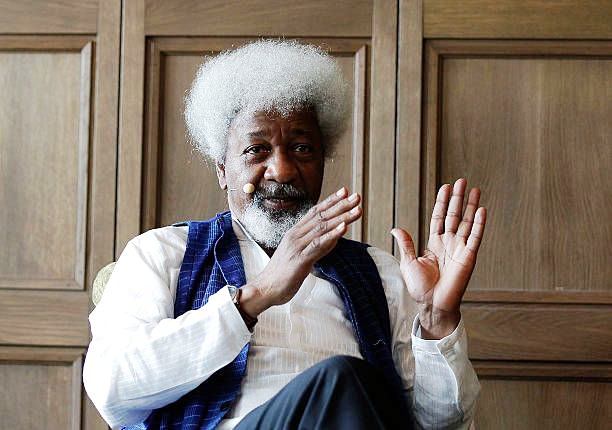
Nobel Laureate Professor Wole Soyinka has said that Nigeria’s political leadership at independence largely failed to break from colonial patterns of governance, accusing early leaders of eagerly stepping into the roles vacated by departing British rulers.
Soyinka made the remarks on Thursday in Lagos while speaking at “A Conversation with the Nobel Laureate”, held at the Yoruba Tennis Club, Onikan, as part of activities marking the club’s 100th anniversary.
Reflecting on Nigeria’s independence in 1960, the renowned playwright said the excitement that greeted self-rule was quickly overshadowed by the conduct of those who emerged as leaders.
According to him, many representatives of the independence movement displayed attitudes and behaviours alarmingly similar to those of colonial administrators.
“As students abroad at the time of independence, we were excited and eager to return home,” Soyinka said. “We believed we would do better than the colonisers. But we were alarmed by how the so-called liberators spoke, carried themselves and related to the people. In many cases, they were only too eager to step into the shoes of the colonisers.”
He explained that this reality inspired his celebrated play A Dance of the Forests, which was staged during Nigeria’s independence celebrations as a cautionary tale.
“It became a case of the white man goes, the black man returns. That was what A Dance of the Forests was all about,” he said.
Read Also: Soyinka Slams Seyi Tinubu’s ‘Excessive’ Armed Escort
Soyinka warned against romanticising the past, noting that uncritical celebration of independence without confronting structural injustices left the country vulnerable to repeating old mistakes.
“If I had to rewrite that play today, it would be far more cruel,” the 91-year-old said. “It would say: didn’t we warn you? You saw the pit and still fell into it.”
Beyond leadership failure, Soyinka cautioned against tyranny, stressing that it does not only manifest through governments but also through citizens who reject opposing views, especially during election periods.
“Tyranny is deeply linked with justice,” he said. “Those capable of inflicting tyranny often come from among the people themselves. Intolerance of alternative views is one of its earliest signs.”
He urged Nigerians to examine daily attitudes that mirror the oppression they publicly condemn.
Soyinka also spoke on global affairs, warning against what he described as the misuse of “rescue missions” by world powers. He criticised United States intervention in Venezuela and Russia’s actions in Ukraine, describing them as modern expressions of exploitation often driven by access to natural resources.
He, however, maintained that oppressed peoples would ultimately determine their own futures, encouraging young people to leverage technology, communication tools and collective organisation to resist injustice.
Earlier, the Chairman of the Yoruba Tennis Club, Chief Olawumi Gasper, described the centenary celebration as a moment to reflect on the club’s role in Nigeria’s intellectual and cultural history.
The event featured audience interactions and a presentation in Soyinka’s honour, as club members dressed in traditional white agbada paid tribute to the Nobel laureate.