

Nigeria’s Power Minister Apologises Over Blackout
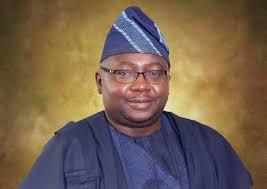
Nigeria’s Minister of Power, Adebayo Adelabu, has issued a formal public apology over the severe electricity outages that have plunged homes, businesses, schools and industries into darkness over the past month, pledging that improvements in power supply would begin within two weeks.
The apology, delivered at a press conference in Abuja on Tuesday, came amid growing public anger over the blackouts, which have coincided with intense dry-season heat across the country, driving up demand for electricity for cooling at the worst possible time.
“I want to apologise to Nigerians, officially now, coming from me as the Minister of Power, for this temporary issue that is leading to hardship being experienced, especially during this dry season, where there is so much heat everywhere,” Adelabu said.
“Businesses are being affected, schools have been affected, and industries have been affected. It is not our wish to find ourselves in this situation, but it is due to some factors that are actually beyond our control,” he added.
Adelabu attributed the crisis primarily to disruptions in gas supply to power plants, compounded by pipeline maintenance challenges and liquidity constraints that have historically weakened incentives for gas producers to meet domestic supply obligations.
He disclosed that a special committee had been constituted to monitor compliance by gas companies with their domestic supply commitments, and that the government already had a timeline for completing key repairs, particularly those involving facilities operated by Seplat Energy.
“I can tell you, with the committee that we have set up, and commitments from gas suppliers, and the timeline for repair of the gas pipelines, two weeks from now, we should start seeing improvements in supply. Two weeks,” the minister said.
Nigeria’s electricity sector remains heavily dependent on gas-fired thermal plants, which account for the bulk of the country’s installed generation capacity. Analysts and sector stakeholders have long identified gas supply shortfalls, pipeline vandalism, and inadequate metering as chronic constraints on the grid’s performance.
Adelabu also pointed to improved payment flows to gas suppliers as a factor expected to further incentivise supply, describing the government’s response as round-the-clock.
“We are working on it 24/7 to make sure that we go back to the trajectory of 2025, when Nigerians commended us for a good job well done,” he said.
The minister reaffirmed the Federal Government’s target of ramping up electricity generation to 6,000 megawatts before the end of 2026, framing the current crisis as a temporary setback rather than a reversal of progress.