


NMDPRA: Fuel Price Volatility Caused by Global Market Shocks
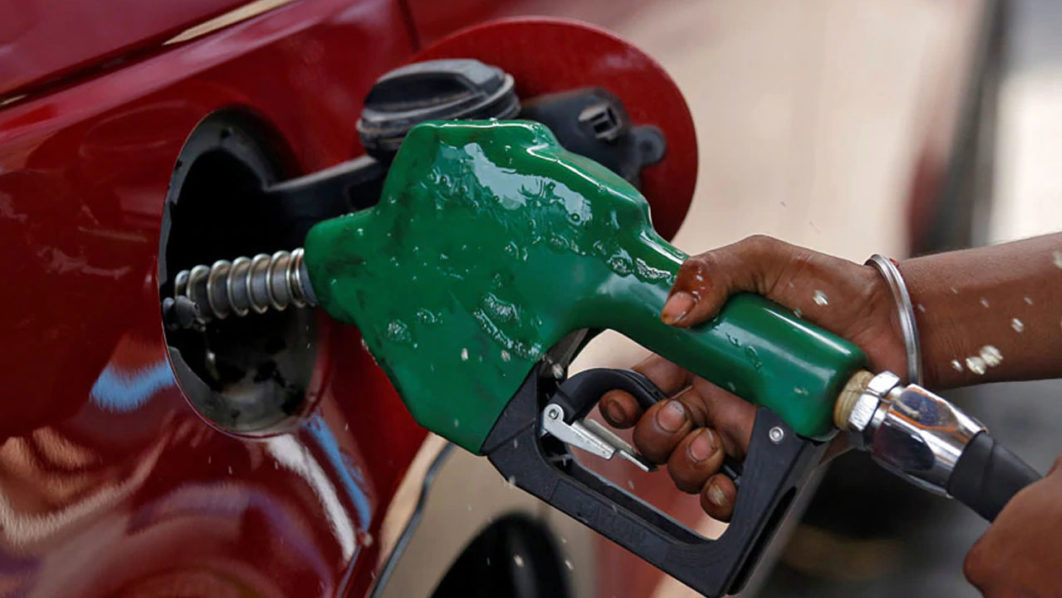
The Nigerian Midstream and Downstream Petroleum Regulatory Authority (NMDPRA) has attributed the latest surge in fuel pump prices to the “vagaries of market forces” following the escalation of the US-Israel-Iran war. NMDPRA spokesperson George Ene-Ita stated on Sunday that under the current deregulated regime, the government no longer dictates prices. Instead, local costs are directly tethered to global crude oil benchmarks, which spiked above $90 per barrel this weekend following an Iranian strike on Saudi Arabia’s Ras Tanura refinery.
The price hike has been swift and severe across the Federal Capital Territory. In Abuja, petrol prices that sat between N875 and N880 per litre last week have jumped to a new range of N960 to N1,100 per litre. While NNPC outlets are holding at approximately N960, independent marketers have pushed rates higher to cover the rising replacement costs from the Dangote Refinery. The $20 billion refinery increased its gantry price to N995 per litre on Sunday, its second hike in just four days, citing the extreme volatility in the international crude market.
Economic logic, rather than regulatory intervention, is now the primary driver of the downstream sector. Ene-Ita explained that the policy is designed to encourage competition and efficiency, but this also means Nigerians must absorb global shocks in real-time. With the Middle East crisis threatening the Strait of Hormuz, a corridor for 20% of global oil transportation, insurance costs for fuel vessels have ballooned. These “replacement costs” are immediately reflected at the pump to ensure that marketers can afford to restock their inventories.
The impact on the streets of Abuja is already visible in rising transport fares. Commercial drivers have reported increasing fares by nearly 75% to cope with the N1,000-per-litre reality. Despite the high costs, fuel remains available at most stations, as the price adjustments have prevented the return of the crippling “scarcity queues” of previous years. For the NMDPRA, this availability is proof that deregulation is working, even if the price is unpalatable for the average consumer.
Experts warn that the ceiling may not have been reached. If the Middle East conflict deepens, some analysts project crude could hit $130 per barrel, potentially pushing domestic petrol prices toward N1,500 per litre. While the federal government is counting on higher revenues from its own crude exports, this “double-edged sword” means that any gains in the national treasury are being offset by the inflationary pressure on citizens. The NMDPRA continues to advise against panic buying, insisting that supply remains adequate despite the price fluctuations.
The current situation marks a definitive end to the era of price stability through subsidies. As Nigeria integrates more deeply into the global energy market, the “market dynamics” cited by the NMDPRA will remain the sole arbiter of what Nigerians pay for fuel. The focus of the authority has shifted from price control to monitoring supply chains and preventing anti-competitive hoarding. For now, the cost of a full tank is a variable, not a constant.