

NSCDC Dismantle Abuja Crime Ring; Arrests 10
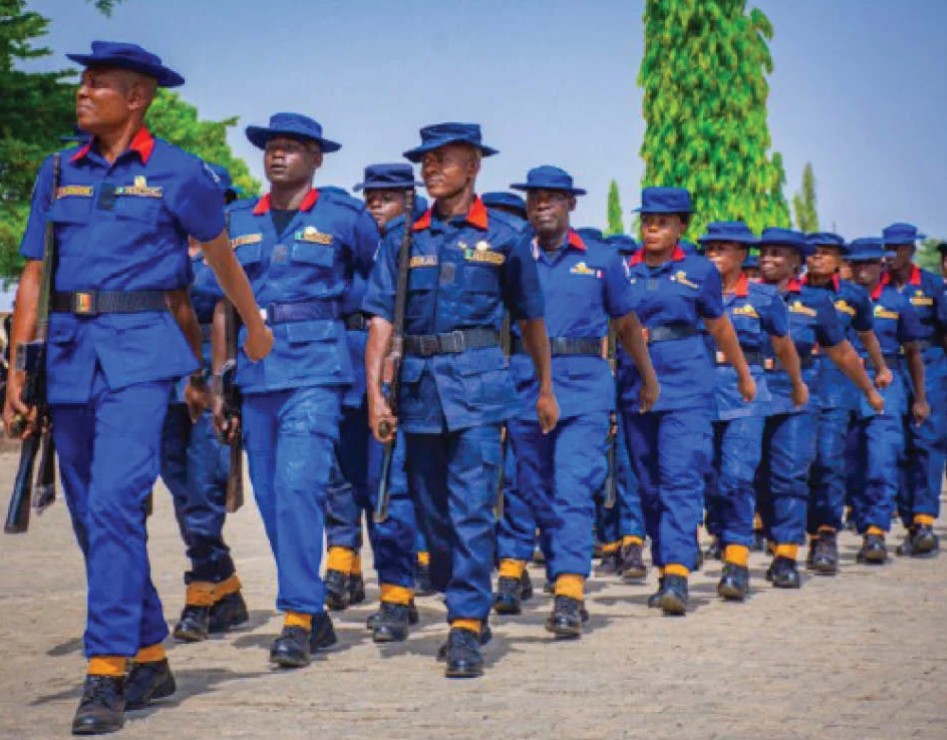
ABUJA — The Nigeria Security and Civil Defence Corps (NSCDC) has delivered a definitive blow to organized crime syndicates operating within the Federal Capital Territory and its contiguous states. In a high-stakes coordinated sweep concluded on Tuesday, February 17, 2026, elite operatives from the Commandant General’s Special Intelligence Squad (SIS) and the Crack Squad apprehended ten suspects. The operation, executed under the direct mandate of Commandant General Prof. Ahmed Audi, targeted high-profile networks specializing in infrastructure sabotage, kidnapping, and cattle rustling. Consequently, the Corps has neutralized one armed suspect following a violent gun duel near the city center, marking a significant escalation in the battle for Abuja’s internal security.
The primary focus of the raid centered on the alarming resurgence of “economic sabotage” via the vandalism of electrical and telecommunication installations. According to NSCDC spokesperson Afolabi Babawale, six of the suspects face charges related to the theft of government property and critical national assets. Operatives intercepted several individuals within the manhole channels at the Berger Roundabout, recovering large quantities of armored cables, heavy-duty hacksaws, and pulling ropes. Furthermore, the SIS arrested 31-year-old Suleiman Ibrahim at Jabi Park, identifying him as a major coordinator for the illicit trade in vandalized materials. While it is true that these “petty” thefts seem minor, the Corps now classifies such acts as direct hits on the nation’s digital and power architecture.
The broader sweep netted four individuals allegedly linked to a cross-border kidnapping and cattle rustling syndicate. Among those detained is Musa Juli, a Nigerien national operating illegally within Nasarawa State, and Ali Musa, a suspected rustler from Garko. In a related development, the NSCDC has intensified its “non-kinetic” intelligence gathering, relying on citizen whistleblowers to track these mobile criminal cells. Granted, the FCT has enjoyed a period of relative calm, but the presence of armed manhole gangs suggests a more desperate and dangerous criminal element. Indeed, the Corps reaffirmed that all ten suspects have confessed to their specific roles and will face immediate prosecution in a competent court.
Notably, the Head of the SIS, Apollo Dandaura, emphasized that the recent gun duel at the Berger Junction underscores the extreme risks faced by personnel. The neutralisation of an armed vandal serves as a sobering reminder that the “manhole thieves” of yesteryear have evolved into violent urban insurgents. Subsequently, the NSCDC has announced a 24-hour intensified patrol of all “Critical National Information Infrastructure” (CNII), citing the 2024 Executive Order as their legal anchor. Although the Corps celebrates this victory, the sheer volume of recovered armored cables suggests that the “buyer market” for stolen copper and aluminum remains robust.
Finally, the NSCDC has called for a renewed “social contract” between security agencies and the residents of the FCT to ensure lasting peace. Above all, protecting the “nerves of the nation”—the communication and power grids- remains the utmost priority for the Audi-led administration. For Abuja residents, the success of these raids offers a fragile sense of institutional resilience. Therefore, the focus must now shift to the “big buyers” who fund these underground syndicates from the shadows. As a result of this operation, the Federal Government expects a significant reduction in avoidable “grid disturbances” caused by cable theft. The quest for a secure and functional capital city remains a collective national endeavor.