

Nuclear Standoff as US-Iran Peace Talks Collapse
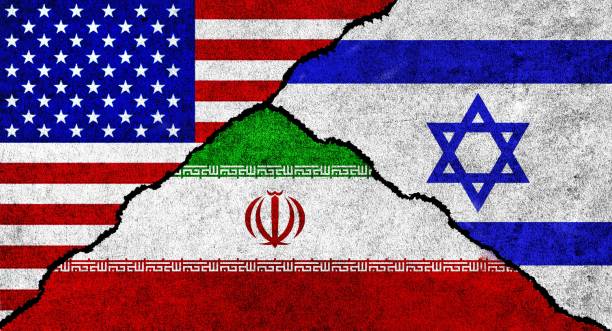 USA, Iran and Israel flag together on a textured background. Diplomatic relations between Israel, Iran and United States of America concept
A high-stakes diplomatic effort to end the war between the United States and Iran has collapsed in Islamabad without a deal. The failure of the summit, mediated by Pakistan, leaves the Middle East in a state of precarious ceasefire. Following hours of negotiations, US Vice President JD Vance confirmed that no agreement was reached. He placed the blame squarely on Tehran, suggesting the failure would hurt Iran more than Washington.
The conflict escalated sharply on 28 February 2026, when US and Israeli strikes killed Iran’s former Supreme Leader, Ayatollah Ali Khamenei. This assassination triggered a wave of retaliatory attacks by Tehran across the Gulf and into Israel. Mojtaba Khamenei, the new Supreme Leader, has since steered the country through a hot war with the West. While Pakistan’s Prime Minister Shehbaz Sharif brokered a temporary pause, the transition to a formal peace treaty has proven elusive.
Washington is demanding an “affirmative commitment” that Iran will abandon its nuclear weapons programme. Mr Vance insisted that Tehran must not only forgo the bombs but also the tools required to build them quickly. President Donald Trump has reportedly refused to sign off on a proposed 45-day ceasefire extension. The White House maintains that the military campaign will continue until its terms are met in full.
Iran has adopted a more patient rhetorical stance despite the pressure. Foreign Ministry spokesperson Esmaeil Baghaei noted that a single session was never likely to resolve decades of deep-seated animosity. He argued that the complexity of the current war necessitates long-term dialogue rather than a quick fix. Tehran appears unwilling to dismantle its nuclear infrastructure as a prerequisite for peace.
Pakistan continues to urge both sides to maintain the “positive spirit” of the initial ceasefire. Foreign Minister Ishaq Dar thanked both delegations for accepting Islamabad’s role as a mediator. Pakistan’s geography and historical ties to both nations make it a logical, if stressed, venue for these talks. However, gratitude for the venue does not equate to a signature on a dotted line.
The collapse of the talks signals a return to active hostilities or, at best, a frozen conflict. Without a signed agreement, the risk of miscalculation on the front lines remains high. The international community now watches to see if Mojtaba Khamenei will escalate his promised vengeance or return to the table. For now, the region remains caught between a failed peace and a widening war.