

Obasanjo Blasts Africa’s “Leadership Deficit” at 89
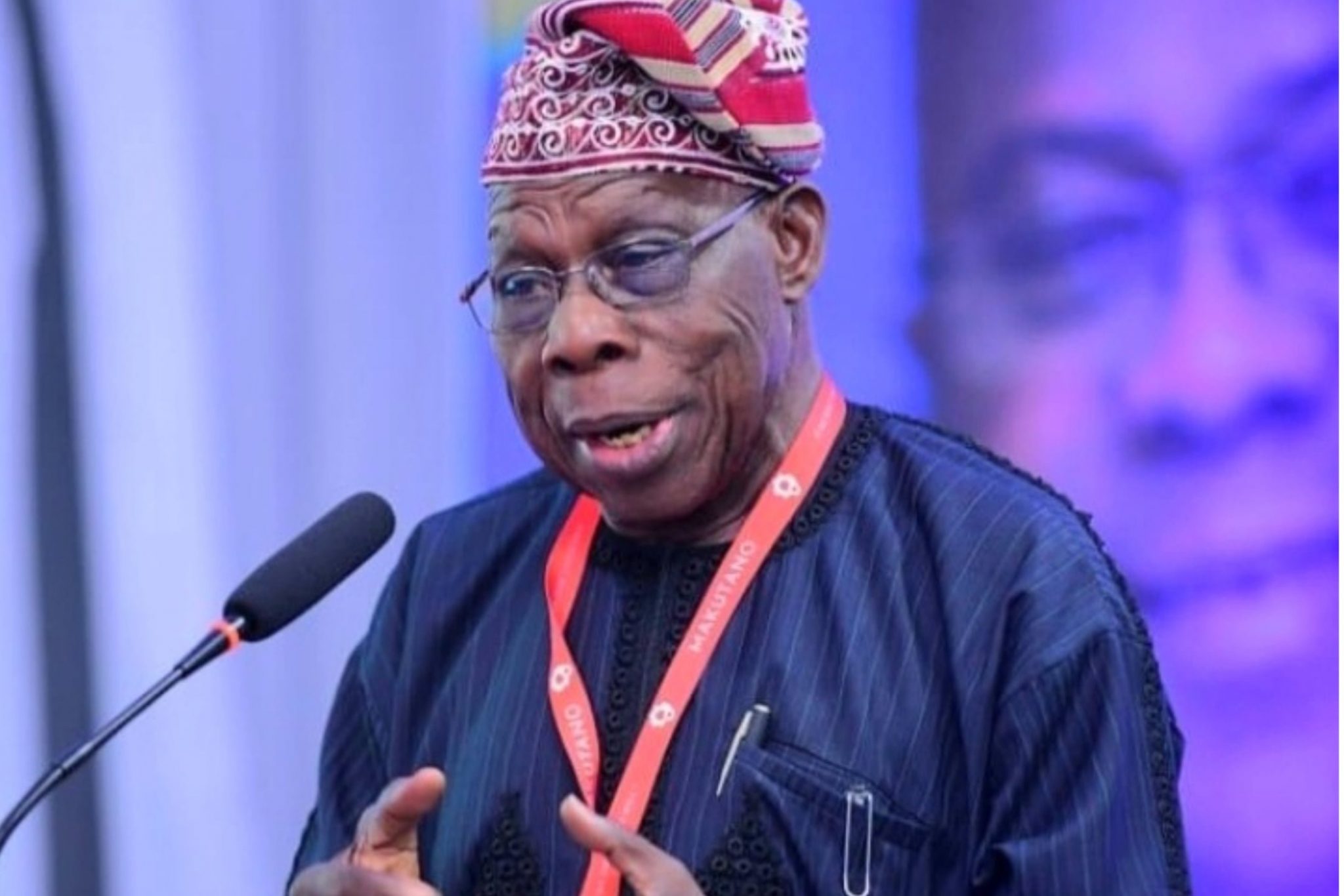
Former President Olusegun Obasanjo has declared that Africa’s failure to thrive is a direct result of poor leadership rather than a lack of wealth. Speaking in Abeokuta during his 89th birthday celebrations on Thursday, the elder statesman argued that the continent possesses ample land, intellect, and resources. He insisted that the “bane of development” is a persistent shortage of visionary and disciplined heads of state. The event drew a crowd of political heavyweights, including Peter Obi and Rabiu Kwankwaso, underlining Obasanjo’s enduring influence as Nigeria’s moral, and often caustic, arbiter.
The former president warned that “poorly formed” leaders are the architects of national fractures and systemic theft. He linked the exodus of African youth to dangerous foreign shores directly to the failure of governance at home. When children go hungry, and education collapses, Obasanjo argued, it is because those at the helm lack the “courage to serve.” He used the platform to promote the Olusegun Obasanjo Leadership Institute (OOLI), suggesting that African leaders must now be trained “deliberately and rigorously” to reverse the trend.
Obasanjo’s critique extended to the intellectual depth of the continent’s political elite. Recalling his remarks from the 2025 Afreximbank meetings, he questioned how many African leaders actually understand the basic economics required to run a modern state. This ignorance, he claimed, feeds a cycle of wasteful borrowing and a humiliating dependence on foreign aid. He mocked the tendency of African nations to “run to China” for loans as small as $20 billion, sums he believes a single well-governed African country could generate internally.
The elder statesman also revisited his controversial thesis that Western-style democracy is a poor fit for the continent. He called for a return to governance systems that mirror African traditions of consensus and communal responsibility. Obasanjo has long argued that the winner-takes-all nature of liberal democracy often fuels ethnic tension and exclusion in African societies. He views traditional structures not as relics, but as untapped blueprints for more stable, inclusive administrations.
His assessment of the current Nigerian administration remains characteristically grim. Reiterating comments made at Yale University late last year, Obasanjo warned that Nigeria is sliding toward “failing state” status. He pointed to “state capture” by powerful interests and a breakdown in security as evidence of a hollowed-out bureaucracy. He accused the political class of exploiting widespread poverty by distributing “stomach infrastructure,” food, and small gifts, to distract from structural failures.
Obasanjo’s intervention comes at a time of deep economic anxiety across West Africa. By framing the crisis as one of character rather than capital, he is attempting to shift the national conversation toward “incorruptibility” and “vision.” Whether the current crop of leaders is listening is another matter. For the man who ruled Nigeria twice, the solution is simple but steep: Africa does not need more money; it needs better men.