


Oil Hits $108 as Tehran Rejects “One-Sided” US Peace Plan
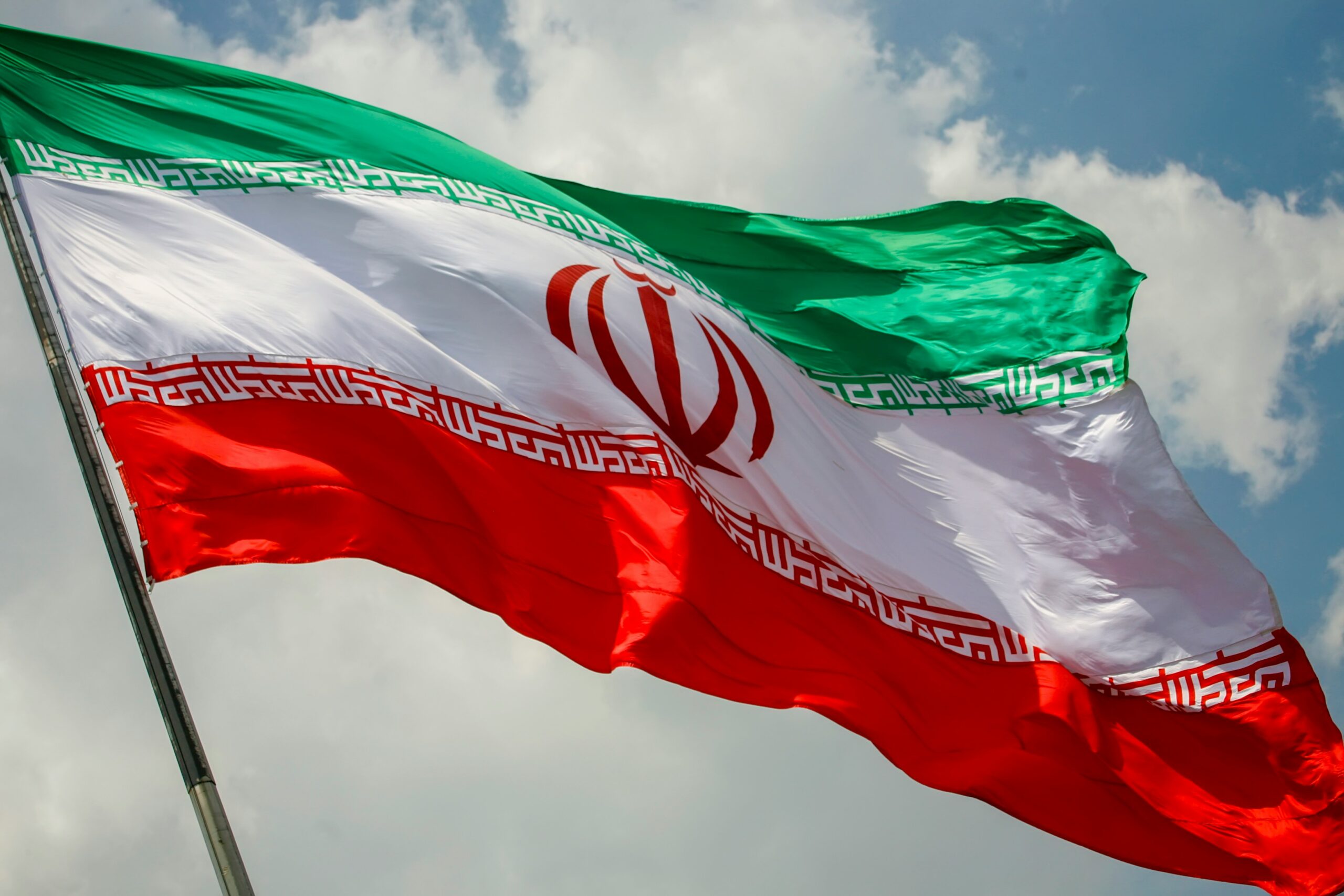
Global energy markets are reeling as the Middle East conflict enters a volatile new phase. Crude oil prices surged by nearly 6% on Thursday, climbing to $108.3 per barrel after Iran dismissed a 15-point US peace proposal. Tehran labelled the plan “unfair” and “skewed” toward American and Israeli interests. The rejection abruptly reversed a brief price dip to $98 earlier in the week, triggered by initial hopes of a diplomatic breakthrough. In Nigeria, the impact is immediate. Petrol prices remain at record highs, with NNPC retail outlets selling at N1,261 per litre, while major marketers charge upwards of N1,371.
The US proposal, presented by President Donald Trump, demands the total dismantling of Iran’s nuclear programme and an end to its regional proxy network. Crucially, it seeks to strip Tehran of its control over the Strait of Hormuz. Iranian officials have retorted that sovereignty over the waterway is a “natural and legal right” and not a bargaining chip. While a senior Iranian official told Reuters that diplomacy is not entirely dead, they insisted that the current White House roadmap lacks the “minimum requirements” for success.
Leadership on both sides is trading insults alongside threats. President Trump took to Truth Social to claim Iran is “begging” for a deal but is “afraid to admit it” for fear of internal revolt. He warned that the window for negotiation is closing, adding that he has “additional targets to hit” before considering a withdrawal. Conversely, Tehran has expressed a total lack of trust in Trump’s primary negotiators, Steve Witkoff and Jared Kushner, viewing them as a “front for deception.” Iranian sources indicated a preference for dealing with Vice President J.D. Vance, citing his historical scepticism of Middle Eastern military intervention.
The conflict has turned lethal for Iran’s maritime command. Israel confirmed the assassination of Rear Admiral Alireza Tangsiri, the Iranian Navy Chief responsible for the Strait of Hormuz blockade. Israeli Prime Minister Benjamin Netanyahu hailed the strike as a testament to the “forceful” cooperation between US and Israeli forces. The elimination of the man overseeing the effective closure of the world’s most critical oil chokepoint suggests that the coalition intends to break the blockade through attrition rather than just negotiation.
Economic warfare is also on the table. President Trump suggested that taking control of Iran’s oil reserves is a live “option,” drawing parallels to the US strategy used in Venezuela. This “oil-for-exit” rhetoric has further spooked markets, as it implies a long-term occupation of Iranian energy infrastructure. Such a move would fundamentally alter the global energy landscape and likely keep oil prices in the triple digits for the foreseeable future.
For Nigeria, the geopolitical fire in the Gulf is a domestic financial crisis. The pre-crisis petrol price of N860 per litre now seems a distant memory. As the “great negotiators” in Washington and Tehran fail to find common ground, the Nigerian consumer continues to bear the brunt of a war fought thousands of miles away. Stability in Abuja now depends entirely on whether “realism,” as Tehran puts it, can prevail over the current cycle of strikes and counter-demands.