

Oil Jumps 10% After Iran Hits Qatar LNG Hub
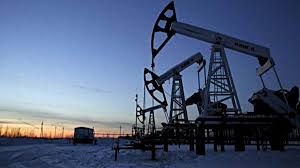
Global oil prices surged by 10 percent on Thursday following confirmation from Qatar that Iranian strikes had caused extensive damage to the Ras Laffan liquefied natural gas facility, the world’s largest LNG hub, intensifying concerns over the security of energy supplies in an already volatile Middle East.
European gas prices recorded a steeper climb of 35 percent after Tehran launched the attacks on the Qatari facility, described by Doha as a direct retaliation for an Israeli strike a day earlier on Iran’s South Pars gas field. The Israeli action on Wednesday targeted a critical component of the South Pars/North Dome field, the largest natural gas reservoir in the world, which Iran shares with Qatar.
The military escalation, which marks a significant broadening of the theatre of conflict, drew an immediate warning from United States President Donald Trump. Speaking on Thursday, Trump stated that Washington had no prior knowledge of the Israeli strike on South Pars, which he characterised as part of a campaign that began with a joint US-Israel attack on Iran on February 28. However, he issued a stark ultimatum to Tehran, warning that the United States would “blow up” the Iranian gas field if attacks on Qatari infrastructure persisted.
Qatar, positioned among the world’s foremost LNG producers alongside the United States, Australia, and Russia, reported that its Ras Laffan industrial complex sustained “sizeable fires and extensive further damage” from two separate waves of Iranian strikes. State-run QatarEnergy confirmed the attacks on Thursday, detailing the impact on several LNG facilities within the hub.
The targeting of active production facilities represents an escalation from previous disruptions, which had largely centred on transport routes. Energy prices had already been under pressure in recent weeks following the near-halt of tanker traffic through the Strait of Hormuz, a strategic chokepoint through which approximately one-fifth of the world’s oil and LNG passes. Analysts noted that the shift from targeting storage depots and shipping lanes to striking production capacity fundamentally alters the risk calculus for global markets.
French President Emmanuel Macron warned on Thursday of a “reckless escalation,” emphasising the potential for long-term economic fallout. “If production capacities themselves are destroyed, this war will have a much more lasting impact,” Macron said, calling for direct negotiations between American and Iranian authorities to de-escalate the situation.
The scope of the conflict widened further with reports of additional strikes on energy infrastructure across the Gulf region on Thursday. Kuwait confirmed that two of its oil refineries were hit by drone attacks, while Saudi Arabia reported an incident at the Samref refinery in the industrial zone of the Red Sea port of Yanbu. The Saudi defence ministry stated that a drone had crashed into the facility and that damage assessment operations were underway. In a statement, Riyadh reserved the “right to take military actions” if necessary, citing repeated missile and drone attacks originating from Iran.
The initial Israeli strike on Iran’s South Pars field, which supplies an estimated 70 percent of the country’s domestic natural gas, drew sharp criticism from Gulf states. Qatar described the attack as “dangerous and irresponsible,” while the United Arab Emirates issued a rare public rebuke, calling it a “dangerous escalation.” In a statement, the UAE foreign ministry warned that “targeting energy infrastructure poses a direct threat to global energy security.”
In the aftermath of Iran’s retaliatory strike on the Ras Laffan hub, Qatari authorities ordered the expulsion of Iranian military and security attaches and their staff from the country, according to official sources.
The ongoing hostilities have also exacted a significant toll on Iranian leadership. The country’s supreme leader was killed in the opening days of the war, and this week, Israel eliminated national security chief Ali Larijani and intelligence chief Esmail Khatib, continuing a long-standing strategy of decapitating enemy command structures. Iran’s newly appointed supreme leader, Mojtaba Khamenei, who has remained out of the public eye since succeeding his slain father, issued a warning via his official Telegram channel late Wednesday. “Every drop of spilled blood comes at a price, and the criminal murderers of these martyrs will soon have to pay it,” the statement read.
According to a US-based rights group, more than 3,000 people have been killed in Iran by US-Israeli strikes, a figure that remains unverified by independent sources. Despite these losses, Tehran continues to project power through missile and drone attacks across the region. Testifying before Congress, US intelligence chief Tulsi Gabbard assessed that the Iranian government, while “largely degraded,” remained “intact.”
On the ground in Tehran, the visible signs of war remained subdued on Thursday, the eve of Nowruz, the Persian New Year. The city centre experienced its usual pre-holiday congestion, with street vendors trading in clothing and fruit. However, a visibly heightened security presence was evident, with heavily armed forces deployed on major thoroughfares and an increased number of armoured vehicles patrolling key locations.
Strategic analysts observing the conflict point to a lack of clear direction from the warring parties. Danny Citrinowicz, a senior fellow at the Institute for National Security Studies in Israel, posted on X that “the conflict is drifting into a war of attrition—with no clear signs of regime collapse in Iran.” He further noted that the attacks on gas facilities “underscored just how unstructured this campaign has become—lacking strategic clarity, long-term planning, and a defined end state.”
In a late-night social media post on Wednesday, President Trump characterised Israel’s action on the South Pars field as a violent reaction driven by “anger.” He reiterated that no further Israeli strikes on the field would occur unless Iran continued its attacks on Qatar, in which case the US would “massively blow up the entirety” of the Iranian gas field.