
Okonkwo Faults Supreme Court on Emergency Powers Ruling
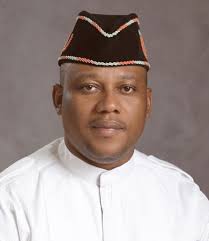
Legal practitioner and African Democratic Congress (ADC) chieftain Kenneth Okonkwo has criticised the Supreme Court’s recent judgment affirming the President’s authority to declare a state of emergency and temporarily suspend elected officials, warning it could undermine Nigeria’s democracy.
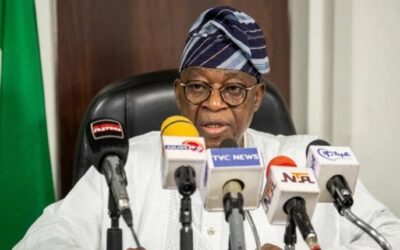
Speaking on Channels Television’s Sunrise Daily on Tuesday, Okonkwo argued that while the court correctly declined jurisdiction in the suit challenging President Bola Tinubu’s March 2025 emergency declaration in Rivers State, it should have refrained from substantive pronouncements.
“If I were in their position, I wouldn’t have done that. As an apex court, they have the right to simply decline jurisdiction and not make any other comments,” he said, describing the obiter dicta as potentially confusing.
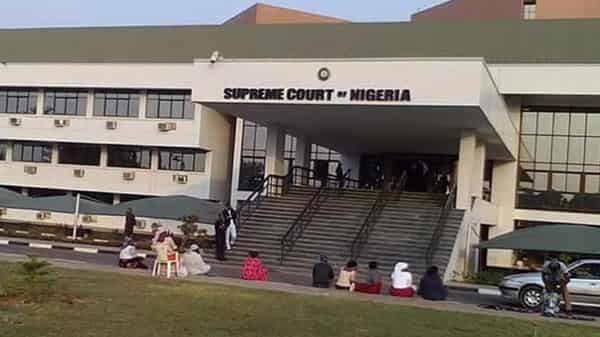
The Supreme Court, in a 6-1 split decision delivered on 15 December 2025, struck out the suit filed by 11 PDP-led states for lack of locus standi. However, the majority opinion, led by Justice Mohammed Idris, proceeded to opine that Section 305 of the 1999 Constitution empowers the President to declare emergencies and suspend elected officials for limited periods to avert a breakdown of public order. The court upheld this as an extraordinary measure necessary in extreme circumstances. Justice Obande Ogbuinya, in a dissenting opinion, insisted such suspensions fundamentally undermine democratic governance.
Okonkwo aligned with the dissenting view, praising the lone justice and expressing grave concerns about the implications of the majority’s statements.
“What this means is that the President now has the right to suspend 36 governors at the same time. He can declare a state of emergency nationwide and that he will use the military to rule Nigeria for a limited time.” He voiced diminished confidence in the judiciary, stating such judgments no longer reflect the foundational principle of the rule of law.
The case stemmed from President Tinubu’s 18 March 2025 declaration amid a protracted political crisis in Rivers State between Governor Siminalayi Fubara and his predecessor, Nyesom Wike. The declaration led to a six-month suspension of the governor, his deputy, and members of the state assembly, with administration handed over to a caretaker committee. The state of emergency concluded in September 2025, with all elected officials reinstated.
The opposition Peoples Democratic Party (PDP) has echoed Okonkwo’s fears, calling the verdict a direct threat to Nigerian federalism and the autonomy of states. As legal and political debates intensify, the ruling has clarified the vast scope of presidential emergency powers while raising significant questions about adequate checks on executive authority in a federation.
The sharp 6-1 split on the bench itself highlights profound judicial divisions on balancing urgent security needs against essential democratic safeguards, setting a precedent that will inevitably influence future interpretations of constitutional limits for years to come.