

Olubadan: Traditional Rulers Deserve Constitutional Roles
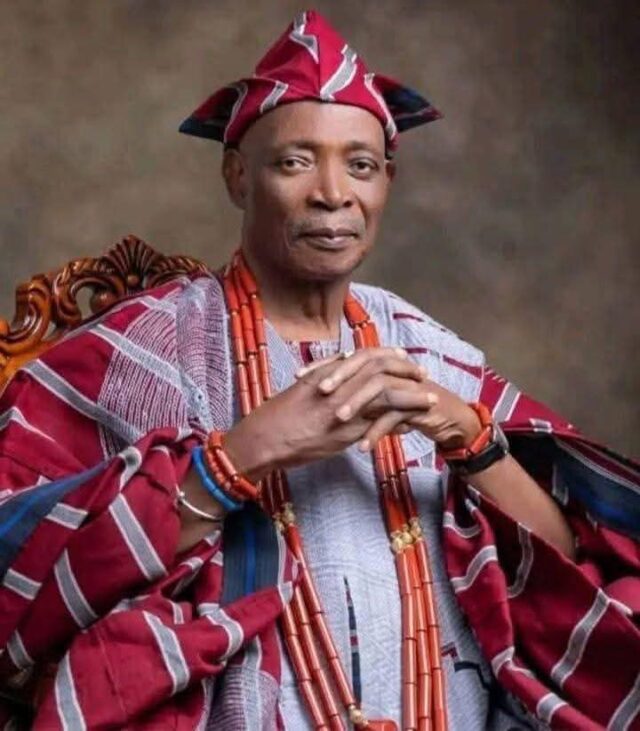
The Olubadan of Ibadanland, His Imperial Majesty Oba Rashidi Ladoja, has formally renewed the call for specific constitutional roles for traditional rulers. The monarch presented this demand during a high-profile courtesy visit to Lagos State Governor Babajide Sanwo-Olu at the Lagos House. Oba Ladoja argued that formal recognition would significantly strengthen the existing governance framework and deepen collaboration with elected authorities. He noted that the current constitutional silence on traditional institutions creates a structural gap in national administration. Consequently, the monarch urged the federal government to reintegrate traditional leadership into the formal mechanisms of modern democracy. This advocacy stems from the unique proximity of traditional rulers to the daily lives of the citizenry.
Traditional institutions currently operate as social stabilizers without the backing of a clearly defined legal mandate within the constitution. The Olubadan emphasized that monarchs remain the primary custodians of peace and conflict resolution at the community level. Furthermore, he highlighted that formal recognition would empower traditional rulers to tackle local security challenges more effectively. The monarch clarified that this demand does not imply a dispute with any tier of government. Conversely, he described the traditional institution as a vital partner in achieving sustainable development across the federation. He praised the Lagos State Government for its infrastructure strides, citing the Blue and Red rail lines as exemplary models.
The Lagos State Governor, Babajide Sanwo-Olu, described the Olubadan as a visionary leader and a rallying point for unity. He acknowledged the historical and cultural significance of Ibadan as a bedrock of the Yoruba race’s collective identity. Furthermore, the Governor expressed his administration’s commitment to supporting the traditional stool in achieving its communal development goals. In a related development, various regional leaders have echoed the call for a total review of the 1999 Constitution. They argue that the steady erosion of traditional authority since the colonial era has weakened social cohesion. These stakeholders believe that a constitutional amendment would formalize the advisory capacity of traditional councils nationwide.
Ultimately, the Olubadan’s plea reflects a broader national discourse on the necessity of home-grown governance models. The formal inclusion of monarchs could provide a much-needed bridge between state policies and local cultural realities. Furthermore, assigning specific roles to traditional rulers may enhance the efficiency of national census and community policing initiatives. The success of this proposed reform depends heavily on the political will of the National Assembly members. Nigerians must now decide if the wisdom of the palace deserves a permanent seat at the table.