


Power Surge Triggers Fire in Ilorin, One Dead
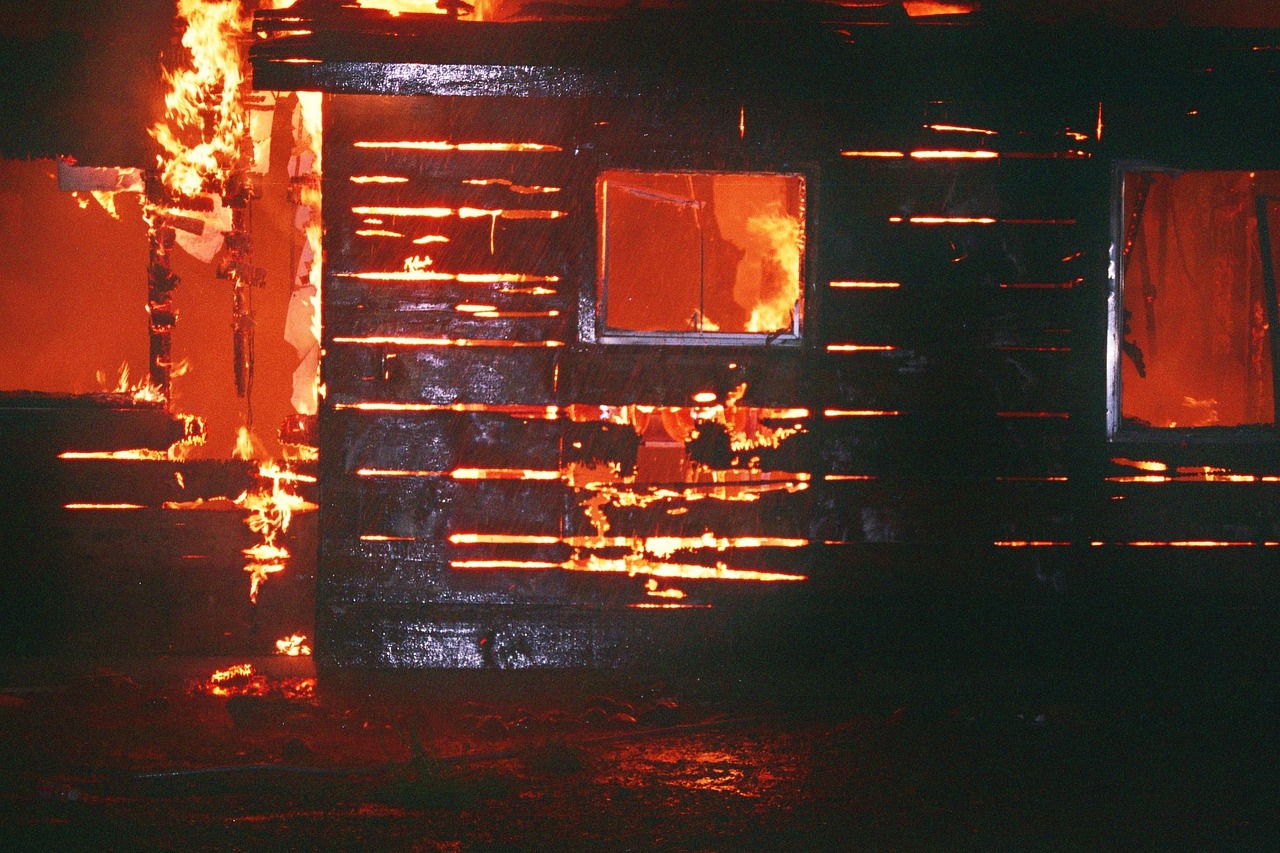
A 52-year-old man died late Thursday night when a fire razed a short-let apartment building in Ilorin, the Kwara State capital. The blaze occurred around 11:38 p.m. along Coca-Cola Road, near the Lafia Hotel area. Fire officials report that the victim, whose identity remains unknown, was trapped inside as smoke engulfed the two-flat structure. Preliminary findings attribute the outbreak to a sudden power surge that followed the restoration of electricity. The fire spread with such speed that escape became nearly impossible for the lone casualty.
The building functioned as a commercial short-let rather than a standard residence. Each of the two flats contained three bedrooms, all of which were completely gutted by the flames. The Kwara State Fire Service deployed three appliances to the scene and received support from federal colleagues. While firefighters brought the inferno under control within minutes, they could not reach the victim in time. The heavy smoke density acted as a barrier during the first moments of the outbreak.
Director of the Kwara State Fire Service, Alabi Muhammed, has since urged commercial property owners to overhaul their electrical safety protocols. He noted that short-let apartments often lack the rigorous safety oversight found in larger hotels. This tragedy highlights the lethal risk posed by unstable power grids and substandard wiring in commercialised residential spaces. The service is now investigating whether the building was equipped with functional fire alarms or extinguishers.
This incident follows a string of discoveries for the state’s emergency responders. Earlier this month, the service recovered a body from a river in the Ilorin West region. The frequency of such fatalities has prompted calls for better public safety awareness across the state. For the residents of Coca-Cola Road, the smell of charred ruins serves as a reminder of the dangers of power fluctuations. Electrical surges remain one of the leading causes of domestic fires in Nigeria’s urban centres.
Short-let apartments have proliferated across Ilorin, offering lucrative returns for property owners. However, the conversion of residential flats into high-turnover guest houses often bypasses standard fire safety audits. The state government may now face pressure to regulate these “hidden hotels” more strictly. Without mandatory safety certifications, these apartments remain potential death traps for unsuspecting guests. The unidentified victim is a tragic testament to this regulatory gap.
The remains of the deceased have been moved to a local morgue as the service concludes its site analysis. Property managers are being reminded that smoke detectors are not a luxury but a fundamental requirement for guest safety. Vigilance and proper circuit protection are the only defences against the unpredictability of the national grid.