

President Tinubu to Present N49.7 Trillion 2026 Budget to National Assembly
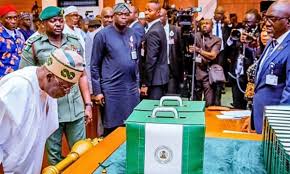
President Bola Tinubu will present the 2026 Appropriation Bill to a joint session of the National Assembly on Friday. This presentation marks a pivotal moment for Nigeria’s fiscal planning as the administration aims to solidify its economic reform agenda amidst significant national challenges.
The event, scheduled for 2:00 pm at the National Assembly Complex in Abuja, occurs against a backdrop of economic headwinds including persistent inflation and currency volatility. In a statement issued by the office of the Clerk to the National Assembly, stringent security protocols have been mandated. All accredited personnel must be at their duty posts by 11:00 am, with strict vehicle parking restrictions in place for staff and a clear advisory for non-accredited persons to avoid the complex.
The proposed budget of N49.7 trillion follows a year of profound economic policy shifts initiated by the Tinubu administration, notably the removal of the petrol subsidy and the move to a floating exchange rate for the naira. These measures, described by the World Bank as necessary to correct fiscal imbalances, have simultaneously intensified cost-of-living pressures for citizens. Finance analysts anticipate the 2026 budget will heavily prioritise infrastructure development, debt servicing, and expanded social intervention programmes designed to mitigate the impact of these ongoing reforms.
This fiscal plan unfolds under the shadow of substantial public debt, which the Debt Management Office reported at N121.67 trillion as of September 2025. This debt burden underscores a critical challenge: a high debt service-to-revenue ratio that consumes a large portion of government earnings, severely constraining fiscal flexibility. The 2026 budget will be a key test of the government’s ability to balance ambitious spending with sustainable debt management.
The role of the National Assembly in budget scrutiny has grown more assertive in recent cycles. During the 2025 budget deliberations, lawmakers notably adjusted executive proposals, increasing allocations for constituency projects and reallocating capital expenditures across ministries. This history sets the stage for a rigorous legislative examination of the new N49.7 trillion proposal, where similar revisions are anticipated.