

Putin Invited to Trump’s ‘Board of Peace’ on Global Conflicts, Gaza Reconstruction
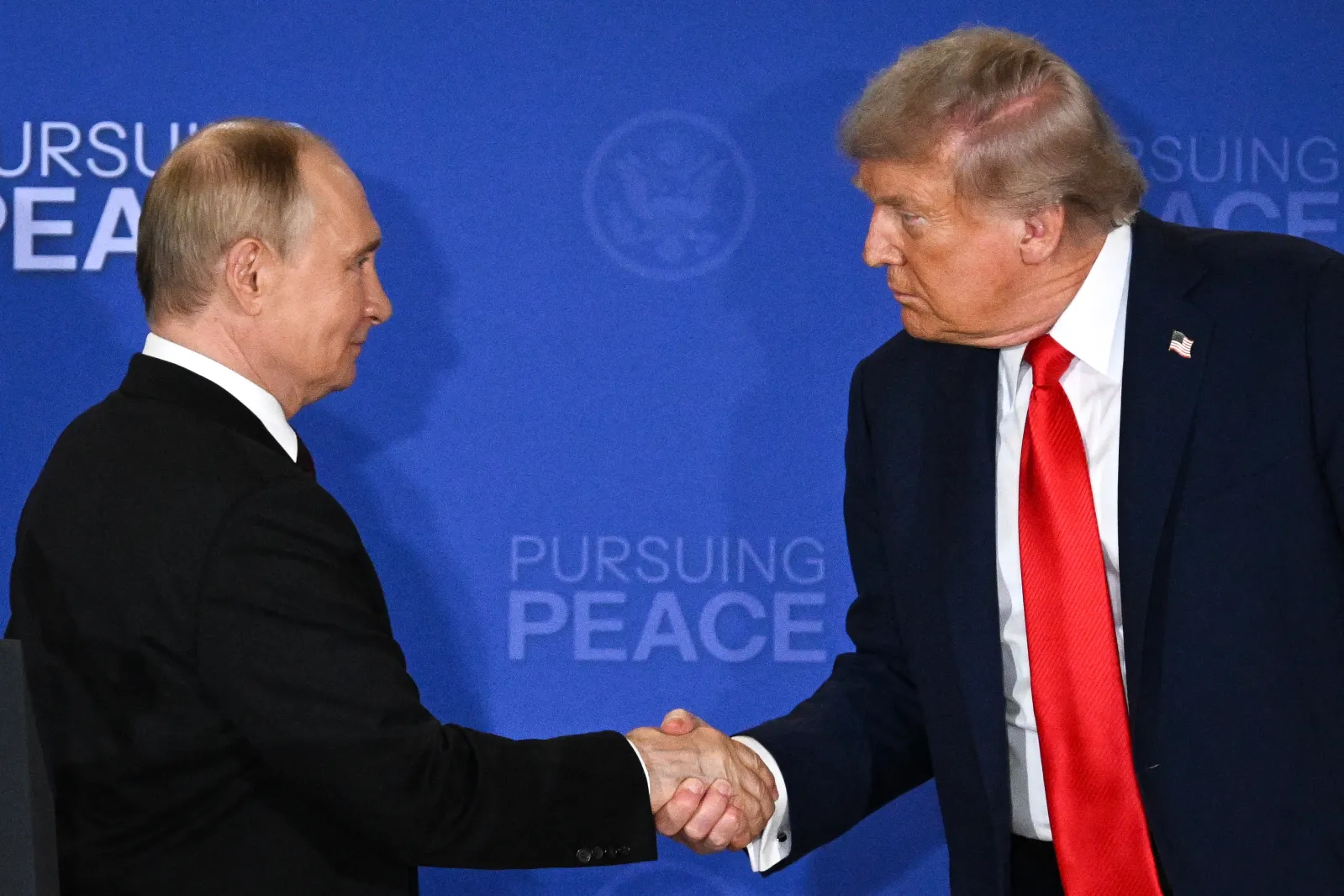
Russian President Vladimir Putin has been invited to join a newly established “Board of Peace” initiated by United States President Donald Trump, aimed at resolving conflicts globally and overseeing governance and reconstruction efforts in Gaza, the Kremlin announced on Monday.
Kremlin spokesman Dmitry Peskov confirmed the invitation during a briefing with journalists, including those from Agence France-Presse (AFP), stating that “President Putin also received an invitation to join this Board of Peace.”
Peskov added that Moscow was working to “clarify all the nuances” of the offer with Washington, though he did not indicate whether the Russian leader was inclined to accept the invitation or provide details on the timeline for a response.
The White House has reportedly reached out to various figures and leaders around the world to sit on the so-called “Board of Peace”, which is chaired by President Trump himself. The initiative appears designed to bring together influential international actors to address longstanding conflicts, with particular focus on the situation in Gaza following the Israel-Hamas war that erupted after the 7 October 2023 attacks.
Read Also: Thousands Protest In Greenland And Denmark Over Trump’s Greenland Takeover Plan
Putin has previously expressed public support for Trump’s approach to conflict resolution. In October of last year, the Russian president praised Trump’s efforts, stating, “He’s really doing a lot to resolve these complex crises, which have lasted for years, even decades.”
Referring specifically to the situation in the Middle East, Putin said at the time, “If we succeed in achieving everything Donald has strived for… it will be a historic event.”
The invitation comes at a time when Russia’s position in the Middle East has undergone significant shifts in recent years. For much of the post-Soviet era, Moscow maintained a careful balancing act in its relations with all major players in the region, including Israel and the Palestinians, leveraging its diplomatic reach to position itself as a credible mediator and stakeholder in regional affairs.
However, the dual crises of Russia’s full-scale military assault on Ukraine, which began in February 2022, and the Israel-Hamas war that erupted in October 2023, have prompted Moscow to recalibrate its Middle East strategy. Putin has moved away from Israel, strengthening ties with Tehran and other actors opposed to Israeli policy in the region. Russia has also sought to deepen relationships with Gulf states amid growing Western isolation and sanctions pressure.
The Kremlin has repeatedly criticised Israel’s military response to the 7 October attacks, calling for restraint and highlighting the humanitarian toll in Gaza. “The Gaza Strip is experiencing a humanitarian catastrophe in the full sense of the word,” Putin was quoted as saying by the Russian news agency RIA Novosti during a meeting with Palestinian Authority President Mahmud Abbas in May of last year.
“Russia, as a friend of the Palestinian people, is trying to provide regular assistance,” Putin added during the meeting, signalling Moscow’s intent to position itself as a supporter of Palestinian interests.
The assault on Ukraine and the war in Gaza have strained Moscow’s traditionally cordial relations with Israel, a country that is home to a large Russian-born community, many of whom emigrated following the collapse of the Soviet Union in the early 1990s. Israel has historically maintained a delicate diplomatic posture in relation to the Ukraine conflict, balancing its close ties with both the United States and Russia.
Read Also: Trump Reaffirms US Claim Over Greenland After High-Stakes Talks With Denmark And Greenland
The Trump administration’s outreach to Putin for participation in the “Board of Peace” represents a notable diplomatic development, particularly given the current state of US-Russia relations, which remain deeply strained over Ukraine, arms control disputes, and accusations of election interference. Washington has maintained extensive sanctions on Moscow since 2014, which were significantly expanded following the 2022 invasion of Ukraine.
The proposed board’s mandate to oversee governance and reconstruction in Gaza suggests an ambitious scope, though details of its structure, authority, and operational mechanisms remain unclear. The Gaza Strip has been devastated by more than a year of conflict, with widespread destruction of infrastructure, displacement of populations, and severe humanitarian distress.
It remains uncertain how the board would interact with existing international mechanisms and frameworks, including the United Nations, the European Union, and regional actors such as Egypt and Qatar, which have played mediating roles in past ceasefire negotiations.
Russia’s potential involvement in Gaza governance and reconstruction would mark a significant expansion of Moscow’s influence in the Israeli-Palestinian arena, an area where it has historically played a secondary role compared to the United States and regional powers.
The Kremlin’s cautious response suggests Moscow is weighing the diplomatic and strategic implications of participation, particularly as it seeks to maintain its relationships across the Middle East while navigating its isolation from Western institutions.
.