


Qatar Condemns Zamfara Village Massacre and Mass Abductions
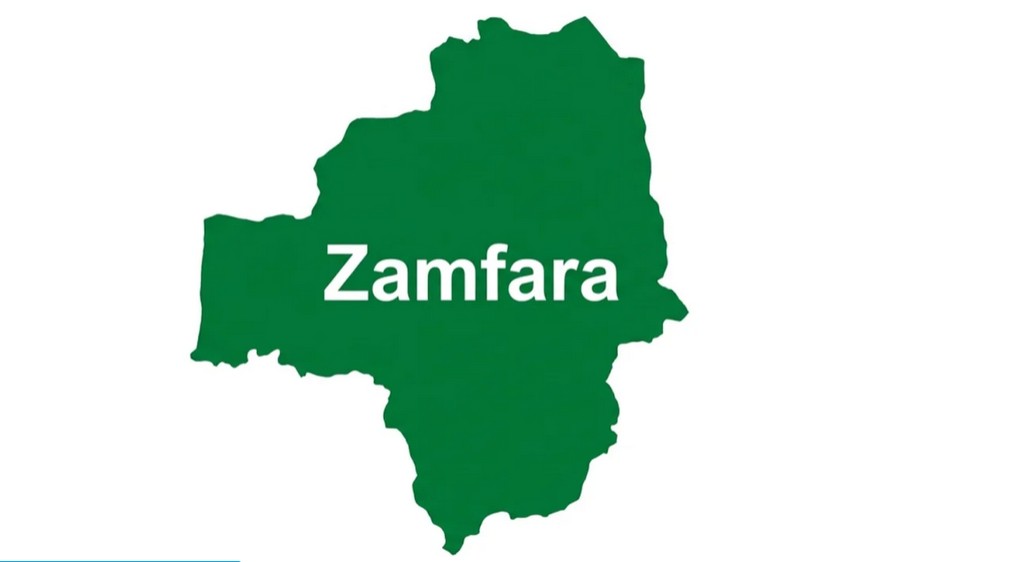
The geography of grief in Nigeria is increasingly international. On Monday, the Ministry of Foreign Affairs in Doha issued a blistering condemnation of a recent attack in Zamfara State that left dozens dead and a trail of abducted women and children. For the residents of the Northwest, where bandits operate with a depressing regularity, the sympathy of a Gulf state is a rare, if surreal, occurrence. It is a reminder that while Abuja often treats these massacres as localized “incidents,” the world sees them as a systemic collapse.
Qatar’s statement was a masterclass in diplomatic boilerplate, rejecting “terrorism and criminal acts, regardless of the motives.” Yet, the subtext is more pointed. By weighing in on a village raid in a remote corner of Nigeria, Qatar is signaling its role as a moral arbiter in the Islamic world. In a region where the line between banditry and jihadism is increasingly blurred, Doha is choosing to draw a firm line in the sand.
The irony of the situation is hard to ignore. While the Qatari government was drafting its condolences, many Nigerians were still waiting for a comprehensive briefing from their own Presidency. In the communications vacuum that typically follows a Zamfara raid, foreign ministries often become the primary source of moral clarity. This creates a bizarre dynamic where the bereaved in Nigeria find more vocal solidarity in the Middle East than in their own capital.
Zamfara has become the laboratory for a failed security experiment. The state is trapped in a cycle of “taxation” by bandits, where survival is bought with grain and livestock, and non-compliance is met with fire. Qatar’s wish for the “safe return of the abductees” is noble, but it lacks the logistical teeth required to navigate the Rugu forest. Condemnation, however “strong,” does not stop a kidnapping in progress.
Ultimately, the statement from Doha is a vanity project in international relations. It allows Qatar to polish its credentials as a peaceful mediator while Nigeria continues to bleed. For the families in the unnamed village, the “solidarity” of a distant petro-state is a cold comfort. Until the Nigerian state can secure its own borders, it will continue to be a recipient of global pity, a status no sovereign nation should covet.