


Senegal Enacts Stiffer Penalties For Same-Sex Relations
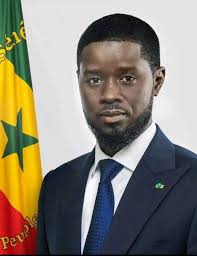
Senegal’s President Bassirou Diomaye Faye has signed into law a bill that raises the maximum penalty for same-sex relations from five to ten years in prison, tightening criminal sanctions against the country’s LGBTQ community amid a wave of arrests.
The legislation, signed on Monday and published in the official journal on Tuesday, passed the National Assembly on March 11 by a vote of 135 in favour, zero opposed, with three abstentions after hours of debate. It also introduces new penalties for individuals found guilty of promoting or financing same-sex relationships, carrying prison terms of three to seven years.
The law criminalises “acts against nature”, the legal terminology used to describe same-sex relations. The maximum sentence of ten years applies if the act involves a minor. Financial penalties have also been sharply increased, now ranging from two million to ten million CFA francs (approximately $3,500 to $17,600), compared to the previous range of 100,000 to 1.5 million CFA francs.
Additionally, the new legislation penalises anyone who accuses another person of same-sex offences “without proof”.
The United Nations High Commissioner for Human Rights, Volker Türk, described the law as “deeply worrying” after its parliamentary passage, stating that it “flies in the face of the sacrosanct human rights”.
In the months leading up to the legislative vote, authorities carried out a series of arrests targeting gay men. According to media reports, dozens have been detained since February, when police took into custody 12 men, including two local celebrities. Arrests have frequently relied on accusations and mobile phone searches, with the names of those detained made public in what rights observers have described as an intensifying crackdown.
LGBTQ rights group ILGA World had urged President Faye not to sign the bill, appealing to him to uphold “respect for individual liberty and the human person”.
The debate over same-sex relations has become increasingly contentious in Senegal, a Muslim-majority West African nation where advocacy for gay rights is often publicly framed as an imposition of foreign values. Religious associations have staged demonstrations in recent years demanding tougher legal measures.
Prime Minister Ousmane Sonko, who assumed office in 2024, had previously promised to elevate same-sex relations to a felony offence. However, the new law retains the status of misdemeanour, despite the increased penalties. Sonko personally presented the bill to parliament.