


Shi’ite Protests Hit Northern States Over Attack on Khamenei
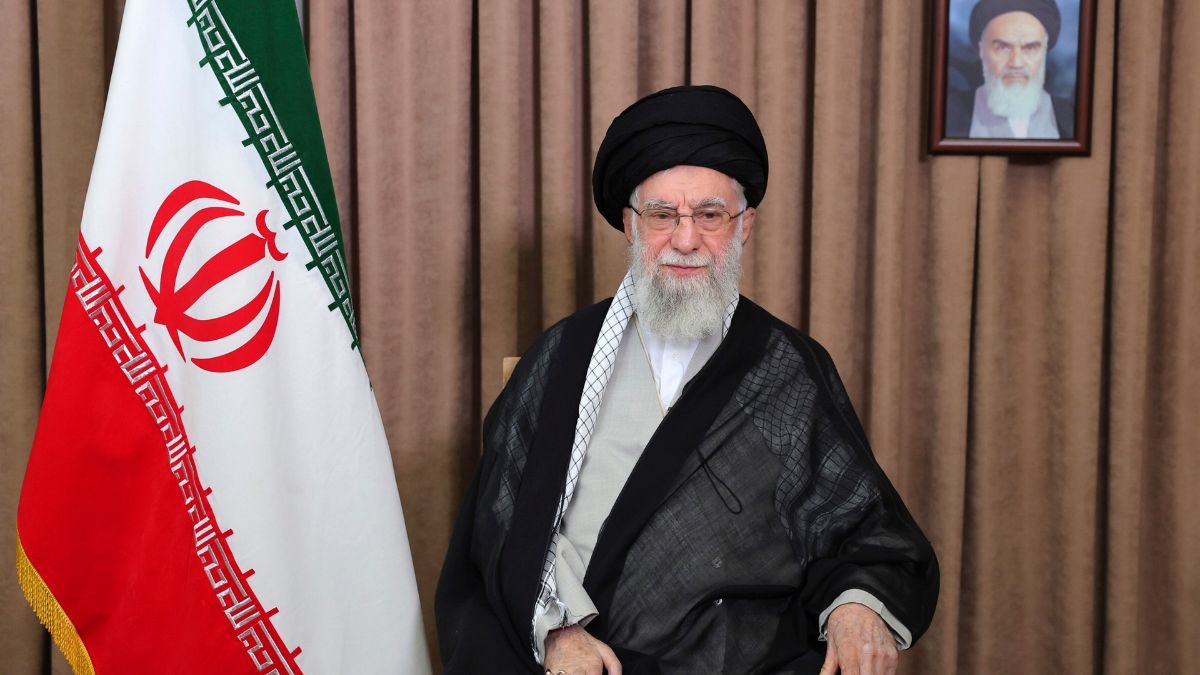
Members of the Islamic Movement in Nigeria (IMN) staged coordinated protests across Gombe, Bauchi, and Kano states on Sunday. The demonstrations follow unconfirmed reports of an attack on Iran’s Supreme Leader, Ayatollah Ali Khamenei, amid the widening Middle East conflict. Dozens of supporters marched through major northern metropolises, carrying placards and chanting slogans of solidarity with Tehran. Despite the volatile news, security agencies reported that the processions remained entirely peaceful and did not disrupt public order.
In Kano, the protest took on a somber tone as faithful gathered near the Fegge Central Mosque in Kofar Waika, holding candles and draped in white shrouds. While the demonstration briefly slowed traffic in the Kofar Waika axis, the Kano State Police Command provided an escort to ensure the crowd remained orderly. This symbolic display of mourning reflects the deep ideological ties between Nigeria’s Shi’ite minority and the Iranian theocracy. Local leaders urged participants to return home for continued prayers once the march concluded.
The Gombe and Bauchi chapters of the IMN similarly registered their grievances through street processions. In Gombe, Sheikh Muhammad Abbari led followers from Tudun Wadan Pantami through the Sabon Layi district, condemning the alleged assault on the Supreme Leader. Abbari stressed that while the group is deeply aggrieved, followers must remain law-abiding to avoid clashing with the state. The Gombe State Police Command confirmed that strategic deployments were made to monitor the marchers and protect public assets.
Read Also: US Warns Americans In Nigeria As Iran Retaliates Over Khamenei Death
At the national level, the acting Inspector-General of Police, Olatunji Disu, has placed commissioners on high alert. Disu directed a nationwide increase in surveillance and “visibility policing” around worship centres and public spaces. The police hierarchy is reportedly concerned that global developments could be exploited by local actors to incite domestic unrest. Force spokesman Benjamin Hundeyin stated that the police would collaborate with traditional and religious leaders to maintain the current fragile peace.
Diplomatic observers have cautioned that these demonstrations carry significant weight for Nigeria’s foreign policy stance. Any perceived official endorsement or heavy-handed suppression of these protests could complicate Abuja’s delicate balancing act between Western allies and Middle Eastern powers. For now, the government appears content to allow the protests to proceed under strict supervision. The primary objective is to prevent the international “spark” in Tehran from lighting a local fire in Northern Nigeria.
The IMN remains a sensitive fixture in Nigeria’s security landscape, particularly following years of high-profile clashes with the military. By opting for peaceful processions and candlelight vigils, the group’s leadership seems to be pursuing a strategy of legal registered protest over confrontation. As long as the conflict in the Middle East remains hot, the streets of Kano and Bauchi are likely to remain active with displays of pro-Iranian sentiment.