


Smarter Governance Through Real-Time Data Analytics: The MetricsHour Advantage

In today’s complex and interconnected world, I have seen how effective policymaking is essential for tackling societal challenges, fostering economic growth, and ensuring social welfare. In contexts like Nigeria and across Africa, where resources are often limited and needs are urgent, the stakes are even higher. From experience, central to this process is the role of data analysis, which serves as the foundation for informed decisions. With the advent of digital technologies and real-time data platforms such as MetricsHour, policymakers now have unprecedented access to vast amounts of data that can be analyzed to craft more precise, responsive, and impactful policies. This essay reflects on the importance of data analysis in policy making, drawing from practical observations of how it enhances decision-making quality, increases transparency and accountability, improves resource allocation, and fosters adaptive governance.
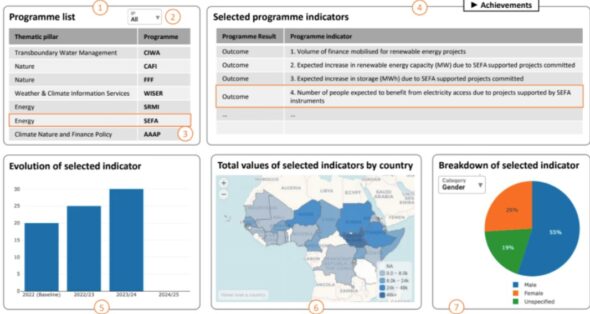
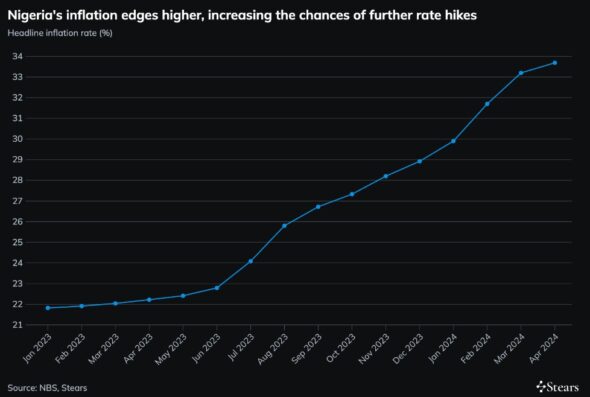
To begin with, in practice, data analysis significantly improves the quality of decision-making in policy formulation by providing empirical evidence rather than relying solely on intuition or ideological beliefs. In Nigeria, for example, I have observed how economic data from institutions like the National Bureau of Statistics shapes decisions on inflation control, fuel pricing, and social interventions. When inflation surged in recent years, policymakers relied on data trends to adjust fiscal and monetary responses rather than acting blindly. Similarly, during the COVID-19 pandemic across Africa, governments depended heavily on infection rates, testing data, and hospital capacity figures to guide lockdowns and reopening strategies. In countries like South Africa and Rwanda, these data-driven responses were particularly visible and helped to manage public health risks more effectively. Social data on education outcomes, healthcare access, and crime rates also continue to guide where interventions are most needed. By integrating data from various sources and analyzing it using statistical and computational methods, policymakers are able to identify trends, correlations, and causal relationships that inform the most effective interventions. MetricsHour, a digital online real-time database, exemplifies this in practice by providing instant access to up-to-date data streams, enabling rapid assessment of current conditions and forecasting future scenarios. Consequently, from what I have seen, data-driven policies are more likely to achieve their intended outcomes, reduce unintended consequences, and adapt to changing circumstances.
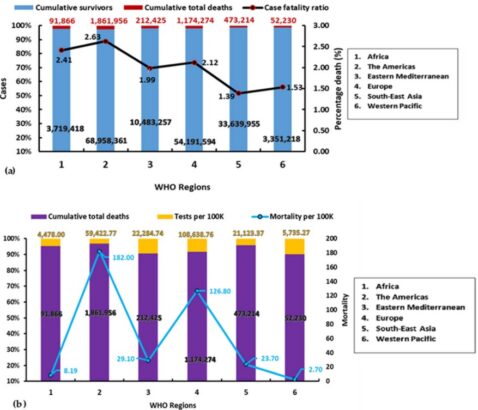
Secondly, from experience, data analysis enhances transparency and accountability in the policy-making process. In Nigeria, public demand for accountability has increased significantly, especially around government spending and subsidy regimes. I have seen how the use of data, such as publishing budget performance reports or tracking oil revenue, helps citizens and civil society organizations question and understand government actions. Across Africa, platforms that provide open data, such as Kenya’s open government data initiatives, have made it easier for researchers and journalists to scrutinize policies. When policy choices are grounded in transparent data analysis, it becomes easier to communicate the rationale behind them, thereby building trust and legitimacy. Real-time data platforms such as MetricsHour further support this by making information accessible not just to officials but also to citizens, researchers, and civil society organizations. This openness enables greater scrutiny, feedback, and collaboration, which in practice improves policy design and implementation. Moreover, data analysis enables continuous monitoring and evaluation of policies. For example, during the pandemic, I observed how health data dashboards across several African countries allowed authorities to track infection trends daily and adjust containment measures accordingly. Transparent use of data thus promotes a culture of accountability where policymakers are answerable for their decisions and the outcomes they produce.
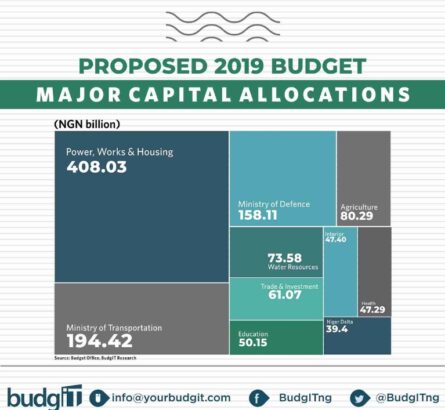
Another crucial contribution of data analysis, as I have come to understand through real-world application, is optimizing the allocation of limited resources. This is particularly evident in Nigeria’s social investment programmes, where data is used to identify vulnerable households for conditional cash transfers. Without such data, many of these interventions would miss their intended targets. Similarly, in countries like Ghana, data-driven approaches have been used to improve tax collection and allocate public funds more efficiently. I have also seen how geographic and demographic data guide infrastructure projects, such as road construction, electrification, and healthcare facility placement, towards underserved rural communities. Real-time economic indicators further allow governments to adjust budgets in response to crises, such as fluctuations in oil prices that significantly affect Nigeria’s revenue. The availability of detailed and timely data from digital databases such as MetricsHour means that, in practice, resource distribution is no longer based on outdated or incomplete information but on a comprehensive understanding of current realities. This leads to smarter spending, elimination of waste, and better outcomes for society.
Data analysis also fosters adaptive governance by enabling policies that can respond flexibly to new information and evolving conditions. From what I have seen, this is increasingly important in Africa, where governments must respond to rapidly changing realities such as climate change, urbanization, and technological disruption. For instance, in regions affected by flooding in Nigeria, real-time environmental and weather data are beginning to inform disaster response and preparedness strategies. In East Africa, data has been used to monitor drought conditions and guide food security interventions. Static policies developed without ongoing data feedback often become ineffective, but data analytics supports continuous learning and iterative policy adjustments. Platforms like MetricsHour empower policymakers with live data feeds that track relevant metrics continuously, making adaptive management feasible. This responsiveness increases resilience and ensures that governance remains effective despite uncertainty and volatility.
Despite its numerous benefits, my observation is that reliance on data analysis in policy making also entails challenges that must be addressed to maximize its utility. One major issue in Nigeria and across parts of Africa is data quality and availability. In some cases, outdated census figures or incomplete records make accurate analysis difficult. In addition, privacy and ethical concerns are becoming more prominent as governments collect more digital data on citizens. There is also the challenge of capacity, having the skilled professionals and tools needed to interpret complex datasets effectively. From experience, addressing these gaps requires investment in data infrastructure, training, and institutional reforms. Finally, data should complement, not replace, human judgment and contextual knowledge. Policymakers must interpret data within broader social, cultural, and political realities to ensure policies are both effective and acceptable.

In conclusion, from both observation and practical engagement, data analysis plays a pivotal role in modern policy-making, particularly in Nigeria and across Africa, where its impact can be directly felt in everyday life. It enhances the accuracy, transparency, efficiency, and adaptability of government decisions. The integration of real-time data platforms like MetricsHour further amplifies these benefits by providing timely and accessible information that supports rapid and informed responses to dynamic societal needs. While challenges related to data quality, ethics, and capacity remain, they can be mitigated through careful design and responsible governance. As the volume and variety of data continue to grow, embracing data-driven policy making will be essential for addressing the complex problems of the 21st century and achieving sustainable development goals. Ultimately, leveraging data analysis empowers policymakers to create more effective policies that genuinely improve the lives of citizens and promote a more just and prosperous society.