

South Africa Leads African Rush for Dangote Fuel
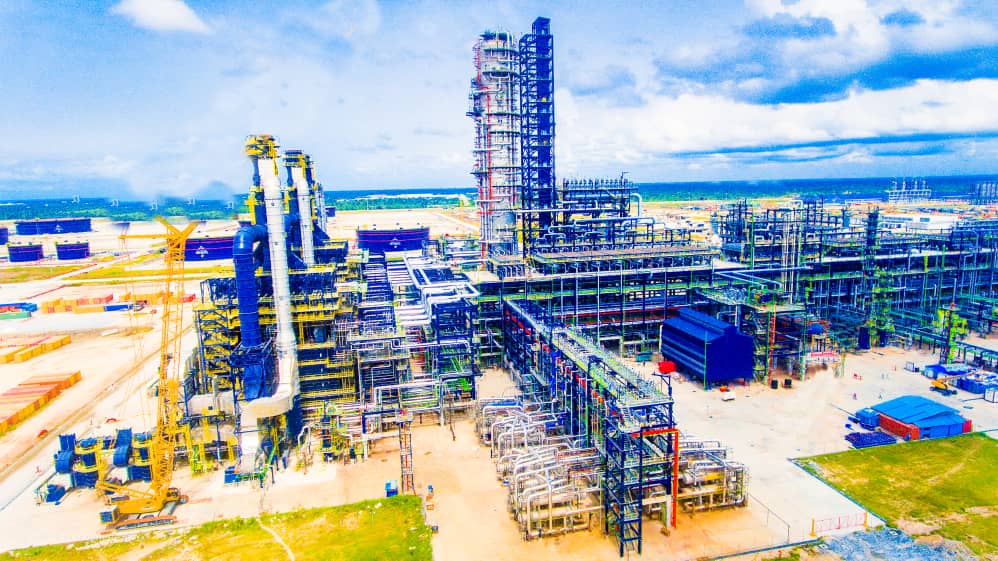
South Africa, Ghana, and Kenya have approached the Dangote Petroleum Refinery to secure emergency fuel contracts as the Middle East energy crisis threatens continental supplies. Bloomberg reported on Friday, 20 March 2026, that Pretoria is seeking a 12-month supply deal to insulate its economy from the fallout of the Iran-Israel conflict. The 650,000-barrel-per-day facility in Lagos has become a strategic lifeline for sub-Saharan Africa, where 75% of refined imports typically arrive from the Persian Gulf. With major shipping routes under fire, African capitals are pivoting toward Nigerian refining capacity to avoid looming shortages.
The geopolitical shift follows the midweek strikes on Iran’s South Pars gas field, which triggered retaliatory attacks on LNG and oil hubs in Qatar and the UAE. Energy consultancy CITAC warns that Eastern and Southern Africa are particularly exposed to these disruptions. While South African authorities insist they have sufficient reserves for the coming weeks, the government has confirmed it is “actively coordinating” to diversify its sources. For these nations, the Nigerian refinery represents the only nearby alternative capable of meeting industrial-scale demand.
Aliko Dangote, President of the Dangote Group, told The Economist that “availability, rather than pricing,” is now the primary concern for global buyers. He noted that the current supply instability is likely to persist for the foreseeable future. Despite the high interest from abroad, the refinery’s priority remains the Nigerian market. Currently, 75% of its output is reserved for domestic consumption, leaving only a quarter of its production available for export to the rest of the continent.
The surge in demand highlights a chronic vulnerability in Africa’s energy security. Decades of declining refining capacity across the continent have left most nations entirely dependent on external shocks. As the Middle East “energy bridge” buckles, the reliance on a single private Nigerian entity underscores the lack of regional alternatives. Ghana and Kenya are reportedly exploring similar long-term arrangements to bypass the volatile spot markets.
The Dangote refinery’s 700,000-barrel-per-day target has effectively positioned Nigeria as the “refiner of last resort” for the region. This newfound leverage provides Abuja with significant diplomatic capital at a time when global oil prices have breached $114 per barrel. However, the refinery itself faces internal pressures, including the 48-hour ultimatum from Nigerian lawmakers to resolve its own crude supply bottlenecks. If domestic feedstock issues are not cleared, the refinery’s ability to export to its neighbours will be severely compromised.
Africa’s energy landscape is being redrawn by the fire in the Middle East. The scramble for Dangote’s fuel suggests that proximity is becoming more valuable than traditional trade alliances. For South Africa and its peers, the goal is simple: secure enough petrol and diesel to keep the lights on and the trucks moving. Whether the Lagos plant can satisfy both a hungry domestic market and a desperate continent remains the ultimate test of its industrial might.