

The Ukraine-Russia and Middle East Crises: A Trader’s Experience on MetricsHour
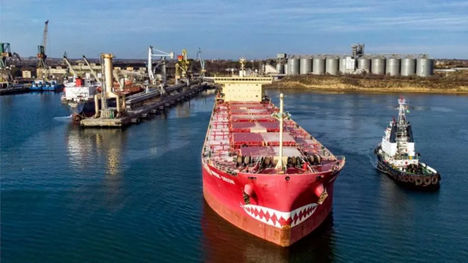
The geopolitical landscape, particularly in regions as pivotal as Eastern Europe and the Middle East, has always had a profound impact on global commodity markets. The ongoing crises involving Ukraine and Russia, alongside persistent volatility in the Middle East, exemplify how geopolitical tensions ripple across global commodity trading floors. At the heart of the Ukraine-Russia conflict lies a critical intersection of energy and agricultural commodities. Russia is a dominant player in global oil and natural gas markets, while both Russia and Ukraine are major suppliers of key agricultural products, namely wheat, corn, and sunflower oil. The onset of conflict has disrupted logistical channels—such as ports, railroads, and pipelines—that have traditionally facilitated the smooth flow of these commodities to global markets. For instance, maritime routes through the Black Sea, vital for exporting grains, frequently face blockades or heightened security risks, thereby exacerbating the scarcity of supply and driving prices up.
This article reflects my insights from MetricsHour’s global financial intelligence dashboard about the complex effects of these crises on commodity trading.
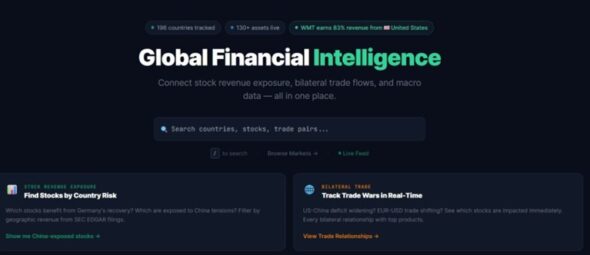
I remember the first time the alerts started flashing across my dashboard on MetricsHour. It wasn’t just data; it felt like a pulse. Numbers rising too fast, supply routes flickering with uncertainty, markets reacting before the headlines could even catch up. From that moment, the Ukraine-Russia conflict and the unfolding tensions in the Middle East stopped being distant geopolitical events. They became something immediate—something you could ‘feel’ in the market. Working through MetricsHour, you don’t just observe commodity trading; you experience its volatility in real time.
When War Hits the Wires: Ukraine-Russia Through the Lens of Data
The Ukraine-Russia conflict always appeared on my screen in waves. At first, it was subtle—small price movements, cautious forecasts. But as tensions escalated in 2022, the platform began to light up with urgency.
Russia’s dominance in oil, gas, and key industrial metals, combined with Ukraine’s role as a global grain supplier, meant that every disruption carried weight. And on MetricsHour, that weight translated into movement—sharp, sometimes violent shifts across multiple commodities at once.
Energy: Watching Fear Turn Into Price
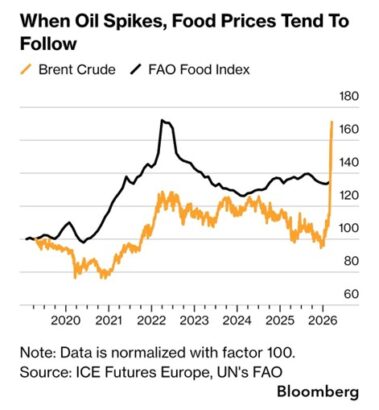
There were days when I watched Brent crude climb almost in sync with breaking news alerts. You could see fear priced in instantly. Gas flows tightening into Europe weren’t just headlines—they were spikes, surges, and sudden recalibrations on the dashboard. Through MetricsHour’s analytics, it became clear how fragile energy security really was. Each sanction, each pipeline disruption—it all fed into a kind of collective anxiety reflected in rising prices. And as a trader or observer, you couldn’t stay detached. The volatility pulled you in.
Metals: Volatility You Couldn’t Ignore
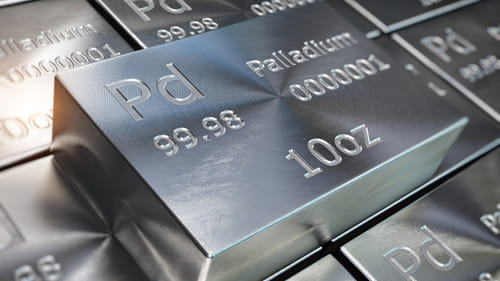
Then came the metals. Nickel, palladium—critical, often overlooked, until suddenly they weren’t. I recall a moment when nickel prices surged so rapidly that trading pauses became necessary. Watching that unfold on MetricsHour felt surreal. It wasn’t just volatility—it was instability revealing itself in real time.
What stood out most was how quickly industries downstream—automotive, clean energy—felt the pressure. The platform didn’t just show price changes; it showed consequences.
Agriculture: The Human Cost Behind the Charts

But nothing hit quite like the agricultural data. Ukraine’s exports—wheat, corn, sunflower oil—are lifelines for many regions. When ports were blocked and infrastructure damaged, the numbers told a deeper story. Prices surged, yes—but behind those numbers was something heavier: the growing risk of food insecurity. On MetricsHour, tracking wheat futures during those periods felt different. It wasn’t just market analysis anymore. It carried a sense of urgency, even unease.
The Middle East: Tension That Never Sleeps
If Ukraine-Russia felt like sudden shocks, the Middle East felt like a constant undercurrent—always present, always capable of erupting. Every time tensions rose, especially around critical routes like the Strait of Hormuz, the platform reacted almost instantly.
Oil Markets: Pricing the Possibility of Crisis
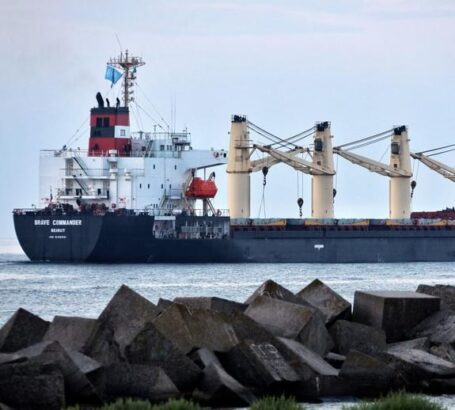
One thing became clear quickly—oil markets don’t wait for disruption. They react to the possibility of it.
Even rumors of conflict or threats to shipping lanes pushed futures upward. MetricsHour’s predictive tools often reflected this before the broader market fully absorbed it. It was like watching anticipation turn into price action.
Sanctions and Strategy: Navigating the Invisible Lines
Sanctions added another layer of complexity. Iran, regional alliances, shifting diplomatic positions—these weren’t just political developments. They were constraints, opportunities, and risks embedded into every trading decision. Using MetricsHour, you could map these pressures—see how supply tightened, how flows shifted, how markets adapted. It felt like navigating a maze where the walls kept moving.
A Shift Toward the Future
Interestingly, amid all this instability, another trend became impossible to ignore: the acceleration toward renewables. Each disruption in oil supply seemed to strengthen the case for alternative energy. And with that came rising attention on commodities like lithium and cobalt. On the platform, you could almost trace the future being built in response to the present.
Two Crises, One Reality: Living With Volatility
What struck me most, working through MetricsHour, was how differently these crises behaved—and yet how similar their impact felt.
* Ukraine-Russia brought sharp, immediate disruptions—especially in energy and agriculture.
* The Middle East created persistent uncertainty, especially around oil infrastructure and transit.
But both led to the same outcome: a market that never truly settled. Through the platform, volatility wasn’t abstract. It was continuous, evolving, and deeply interconnected.
Looking Ahead: Adapting in Real Time
Over time, I noticed a shift, not just in markets, but in mindset. Countries began diversifying supply chains. Companies rethought sourcing strategies. Traders leaned more heavily on real-time intelligence. And platforms like MetricsHour became less of a tool and more of a necessity. Because in an environment like this, reacting late isn’t an option.
Final Reflection
Experiencing these crises through MetricsHour changed how I see commodity trading. It’s no longer just about supply and demand. It’s about uncertainty, resilience, and the constant interplay between geopolitics and economics. Every spike, every dip—it all tells a story. And if there’s one thing that becomes clear, it’s this: in today’s world, understanding the market means understanding the forces shaping it in real time. Not from a distance—but from within.