

TikTok Strikes US Joint Venture Deal to Avert Ban Over Chinese Ownership
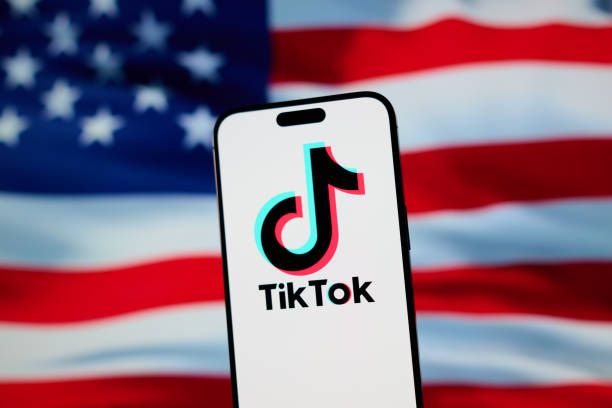 TikTok has reached a major breakthrough in its long-running battle to remain operational in the United States, announcing on Thursday that it has signed a joint venture agreement with US and international investors aimed at averting a looming ban tied to its Chinese ownership.
According to an internal memo, TikTok Chief Executive Officer Shou Chew told employees that the company and its parent firm, ByteDance, had agreed to the new structure, which would establish a US-based entity responsible for the platform’s American operations.
Under the deal, US technology giant Oracle, private equity firm Silver Lake, and Abu Dhabi-based investment group MGX will serve as major investors in the new venture.
“The US joint venture will be responsible for US data protection, algorithm security, content moderation, and software assurance,” Chew said in the memo.
“It will also have the exclusive right and authority to provide assurances that content, software, and data for American users is secure.”
Chew said the ownership structure was designed to comply with US law limiting Chinese control. A consortium of new investors comprising Oracle, Silver Lake and MGX will collectively hold 50 per cent of the venture, with each firm controlling about 15 per cent.
Affiliates of existing ByteDance investors will own just over 30 per cent, while ByteDance itself will retain just under 20 per cent, the maximum stake permitted for a Chinese company under the legislation governing the deal.
TikTok’s US entities will also manage global product interoperability and select commercial activities, including e-commerce, advertising and marketing, according to the memo.
Chew cautioned that the agreement is not yet final, noting that additional steps remain before the deal’s January 22 closing date.
The joint venture arrangement follows years of political and regulatory pressure in Washington over national security concerns surrounding TikTok’s ownership. US lawmakers have repeatedly warned that the Chinese government could use the app to access American user data or influence public discourse through its powerful recommendation algorithm—allegations TikTok has consistently denied.
A law passed in 2024 under former US President Joe Biden required ByteDance to divest TikTok’s US operations or face a nationwide ban. Enforcement of the law, however, has been delayed multiple times by President Donald Trump, who returned to office this year and extended the deadline through a series of executive orders.
The latest deal largely confirms a September announcement by the White House, which said an agreement had been reached that would satisfy the law’s requirements.
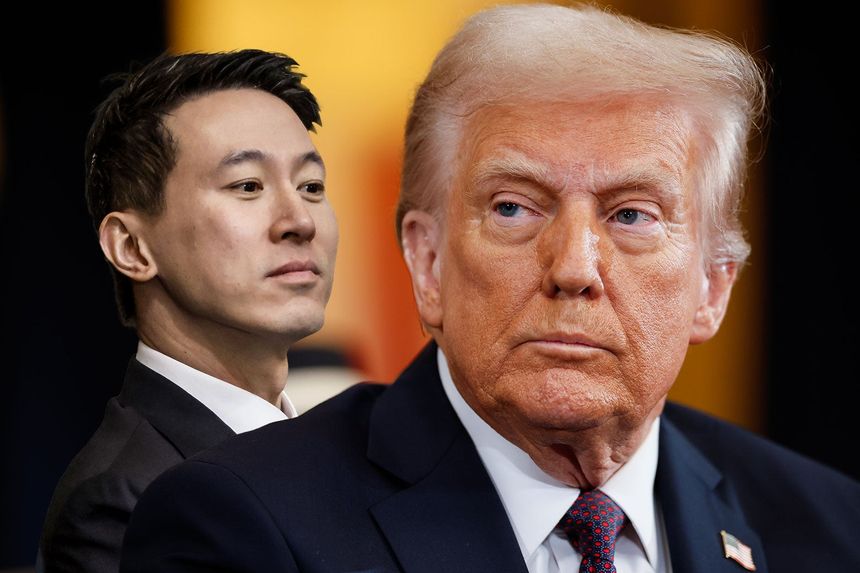
“If I could make it 100 percent MAGA I would, but it’s not going to work out that way unfortunately,” Trump told reporters at the time.
The internal memo marks the first confirmation that TikTok itself has formally signed on to the arrangement, which would have required approval from the Chinese government to proceed.
Trump previously named Oracle founder and executive chairman Larry Ellison—a long-time ally—as a key figure in the negotiations. Ellison has regained prominence through his growing involvement in Trump-backed technology initiatives, including major artificial intelligence partnerships with OpenAI.
He has also attracted attention through his family’s expanding footprint in the US media landscape, with his son David Ellison financing the takeover of Paramount and engaging in a bidding war with Netflix over Warner Bros.
ByteDance did not immediately comment on the deal, but analysts described it as a significant compromise that preserves TikTok’s access to its most lucrative market.
“Keeping the US operation live is itself a victory for ByteDance,” Li Chengdong, founder of Chinese technology consultancy Dolphin.
He said resolving the issue would allow ByteDance to refocus on expansion, artificial intelligence development and a potential initial public offering (IPO).
However, Zhang Yi of technology research firm iiMedia cautioned that the agreement does not eliminate future risks.
“The US market is of paramount importance to TikTok,” he said, adding that Washington could still “leverage its regulatory power to impose further demands” on the company.