
Tinubu Arrives Nigeria with £746m Ports Deal
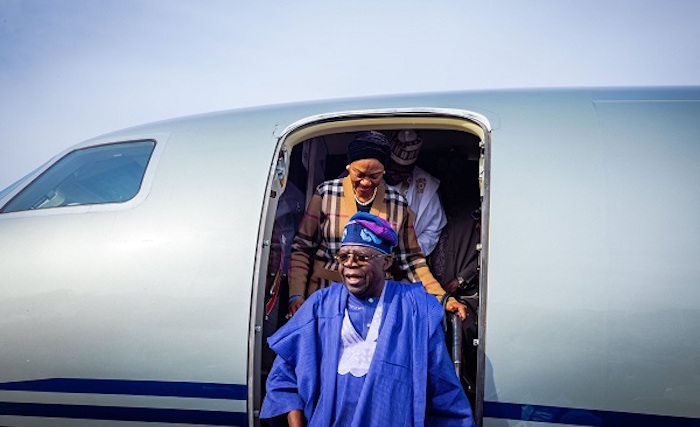
President Bola Tinubu arrived in Lagos at 1:15 am on Friday, 20 March 2026, concluding a historic two-day state visit to the United Kingdom. The trip, the first by a Nigerian leader in 37 years, yielded a £746 million financing agreement to modernise the Lagos Port Complex and Tin Can Island Port. Backed by UK Export Finance, the deal includes a £70 million contract for British Steel to provide 120,000 tonnes of steel billets. The President landed at Murtala Muhammed International Airport alongside First Lady Oluremi Tinubu and was received by senior Lagos officials and party leaders. He is scheduled to observe Eid-el-Fitr prayers at Dodan Barracks later this morning.
The diplomatic success in London coincides with a severe escalation of hostilities in the Middle East that has sent global energy markets into a tailspin. On Wednesday, Israeli forces struck the South Pars gas field in Iran, the world’s largest natural gas deposit. Tehran retaliated by targeting Qatar’s Ras Laffan LNG complex and facilities in the UAE and Saudi Arabia. Consequently, Brent crude prices surged past $114 per barrel on Thursday. President Donald Trump has denied any United States role in the initial Israeli strike but warned he would “massively blow up” the remainder of the Iranian field if Qatar is attacked again.
For Nigeria, the timing of the UK maritime deal is critical as the administration pushes its “Blue Economy” agenda. The modernisation of the Apapa and Tin Can ports aims to eliminate the chronic congestion that has long hampered Nigerian trade. Prime Minister Keir Starmer described the partnership as a “new era” of economic and security cooperation. Beyond infrastructure, the two leaders discussed climate change and the shared challenge of terrorism in West Africa. President Tinubu linked regional instability to environmental shifts, seeking a broader global response to the crisis.
The state visit featured the full weight of British ceremonial honours, including a 42-gun salute and a banquet at Windsor Castle hosted by King Charles III. The King’s reception underscored the “living bridge” of the Nigerian diaspora in the UK, a demographic the President is keen to court for domestic investment. During his stay, the First Lady also delivered a sermon at Lambeth Palace, highlighting the cultural and religious ties between the two nations. These high-level optics are intended to signal Nigeria’s return as a pivotal global partner.
In his Eid-el-Fitr message, the President urged Nigerians to maintain the virtues of “piety, selflessness, and compassion” beyond the month of Ramadan. His appeal comes at a time of immense pressure on the domestic economy, though recent data shows the Naira is finally finding its footing. The administration hopes that the port deal and the successful London outing will translate into renewed investor confidence. Stability remains the primary goal as the government navigates both regional security threats and global energy volatility.
The return to Lagos marks a transition from international diplomacy to domestic religious observance. While the President celebrates the end of the fast with the faithful, his cabinet must now manage the fallout of the Middle Eastern energy shock. High oil prices may boost Nigeria’s external reserves, but they also risk increasing the landing cost of fuel. The President’s “thrilling and significant” trip has provided a much-needed victory, but the hard work of implementation begins at the docks of Lagos.