

Tinubu Urges Senate to Legislate State Police
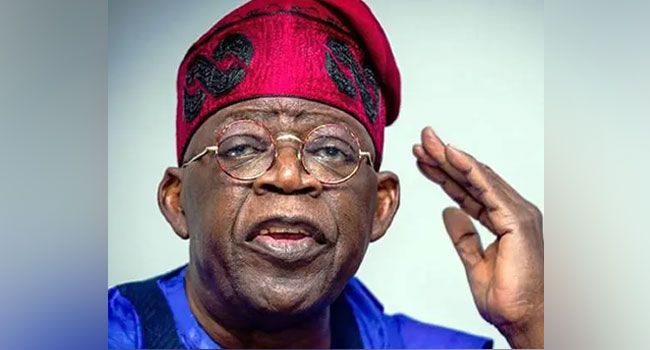
President Bola Tinubu has finally asked the Senate to dismantle the federation’s centralised policing model. Speaking at an interfaith dinner in Abuja, the President urged lawmakers to amend the 1999 Constitution to permit subnational police forces. The shift reflects a grim admission: the federal government can no longer secure the hinterlands on its own. Decades of banditry and insurgency have turned Nigeria’s forests into sovereign spaces for marauders.
State policing is no longer a theoretical debate for academics. It is now a matter of survival for a struggling administration. President Tinubu told senators that the reform “cannot wait” if the country hopes to free its children from fear. Critics worry that governors will use local police as private militias to harass political rivals. Yet the alternative is the status quo, where the Nigerian Police Force remains chronically understaffed and overstretched. A single command in Abuja cannot effectively manage the security of 200m people.
The President also used the gathering to defend his painful economic surgery. He described the removal of the petrol subsidy and the unification of exchange rates as a strike against “monumental corruption.” By ending arbitrage, the government hopes to redirect billions into the federation account. The medicine is bitter, and inflation remains stubborn. However, the administration insists these moves have laid a foundation for a more stable economy.
Legislative cooperation remains the bedrock of President Tinubu’s reformist agenda. Senate President Godswill Akpabio assured the President of the upper house’s unwavering loyalty. He noted that no executive bill has died at the first reading under the current leadership. This harmony is a double-edged sword for Nigerian democracy. While it speeds up policy implementation, it invites claims that the legislature has become a rubber stamp. Senator Akpabio dismissed such fears, arguing that the Senate painstakingly reviews every proposal.
The political optics of the meeting were carefully managed. President Tinubu brushed off allegations that he is stifling the opposition. He joked that he holds no gun and cannot stop politicians from “jumping out of a sinking ship.” The rhetoric suggests an administration confident in its grip on power despite the prevailing economic hardship. By framing his reforms as a shared burden with the legislature, the President is insulating himself from sole blame.
Nigeria now stands at a constitutional crossroads. Amending the constitution is a tedious process requiring the consent of two-thirds of the state assemblies. If the President truly wants state police, he must now lobby the governors he recently broke bread with. Security decentralisation will shift the burden of failure from the presidency to the state government houses. It is a gamble that may either fix the security gap or create thirty-six new ones.