


Troops Recover ISWAP Ledgers Detailing Fighter Roles and Weapons
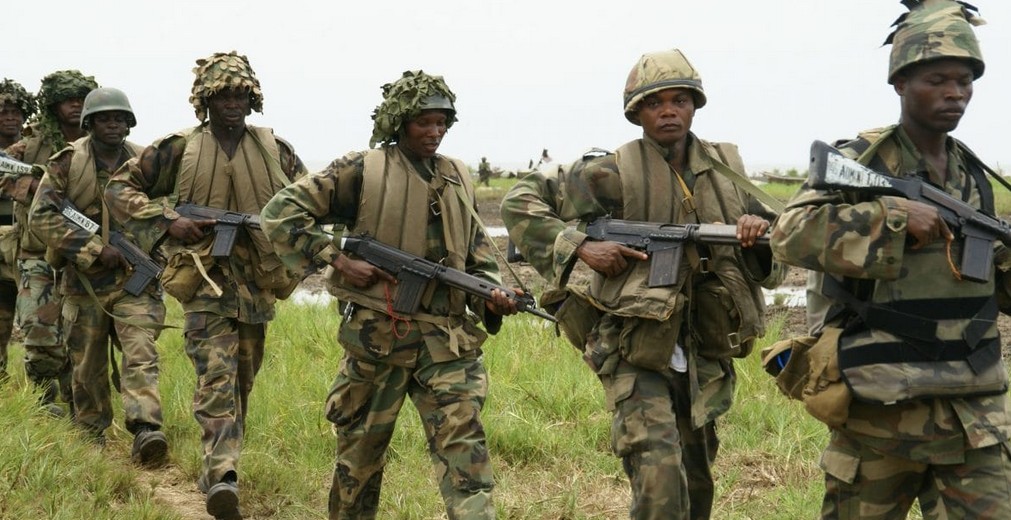
Nigerian troops have recovered operational notebooks from slain Islamic State West Africa Province (ISWAP) fighters, revealing a startlingly bureaucratic approach to insurgency. Following a failed pre-dawn assault on a military base in Mallam Fatori, Borno State, soldiers discovered ledgers that meticulously document fighter names, weapon assignments, and ammunition allocations. The discovery suggests that ISWAP has moved beyond a loose militia structure toward a highly organised, state-like administrative model.
The military repelled the attack on the 68 Battalion’s position in Abadam Local Government Area on Wednesday, 18 March 2026. Supported by precision airstrikes, troops neutralised at least 80 terrorists, including three high-profile commanders: Mallam Abdulrahman Gobara, Mallam Ba Yuram, and Abou Ayyuba. Security analysts noted that the captured notebooks even recorded “loans” taken by fighters and specific memory card allocations for cameramen, highlighting the group’s emphasis on propaganda alongside combat operations.
This tactical defeat comes as Vice President Kashim Shettima visited survivors of a separate, devastating terror strike in Maiduguri. On Monday, multiple explosions rocked the state capital, claiming at least 25 lives and wounding 146 others. Visiting the University of Maiduguri Teaching Hospital, the Vice President condemned the “senseless and unjustifiable” killings, urging Nigerians to remain steadfast in their support of the military despite recent setbacks in the North-East.
The documents found at Mallam Fatori provide a rare window into the internal mechanics of the “Lake Chad Caliphate.” Beyond mere battlefield orders, the ledgers include records of motorcycles signed out like corporate assets and logistical checklists for foot soldiers. Experts compare this level of meticulous record-keeping to practices seen in other Islamic State provinces, such as IS-Somalia, where the group functions as an alternative governing entity with its own rudimentary ministries and police force.
The Nigerian Air Force (NAF) played a decisive role in the week’s operations, conducting precision interdiction missions in the Abadam axis. These strikes targeted hideouts in the southern Lake Chad region, further degrading the insurgents’ ability to coordinate large-scale incursions. While the military describes the current operational space for ISWAP as “shrinking,” the group’s shift toward sophisticated planning and drone use remains a significant concern for regional stability.
As the army continues to exploit the Mallam Fatori battlefield, the recovered intelligence is expected to help dismantle the wider network. The “battlefield ledger” serves as a sobering reminder that the insurgency is no longer merely a struggle of ideology, but a clash against a disciplined, if barbaric, administrative machine. For the people of Borno, the week’s events underscore a cycle of military success tempered by the persistent, tragic threat of urban terror.