
Trump Calls NATO a “Paper Tiger” Over Iran Conflict
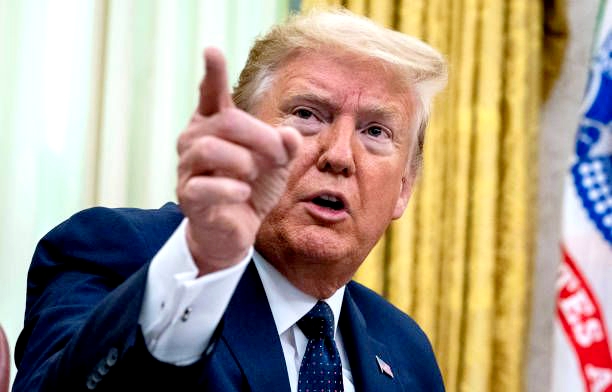
President Donald Trump has escalated his rhetoric against NATO, declaring the alliance has “failed” during the ongoing war involving Iran. Following a tense, two-hour meeting with Secretary-General Mark Rutte at the White House, the President accused European allies of abandoning the United States in a moment of crisis. The friction stems from the refusal of several member states to grant airspace access for American jets or commit naval assets to the Strait of Hormuz. Mr Trump’s spokeswoman, Karoline Leavitt, stated the President confronted Mr Rutte directly over these perceived betrayals, framing the alliance as a one-sided burden on American taxpayers.
The diplomatic fallout reveals a deep fracture within the 32-member bloc over the US military campaign in the Gulf. While Mr Rutte described the talks as a candid exchange between “two good friends,” he admitted that some allies had indeed fallen short of expectations. Washington’s frustration is rooted in the strategic necessity of securing global energy routes, a task the White House believes European oil consumers should lead. European diplomats, however, remain reluctant to join maritime operations while active hostilities persist, fearing further escalation.
Mr Trump took to Truth Social following the meeting to reinforce his warning that US support for NATO is no longer a given. He described the organisation as a “paper tiger,” a stinging critique that lends weight to his repeated threats of a total American withdrawal. This rhetoric has unsettled European capitals already nervous about the President’s stance on Ukraine and his past diplomatic unpredictability. Despite a current two-week ceasefire in the Iran conflict, the political damage to transatlantic relations appears increasingly permanent.
The White House argues that NATO members are “turning their backs” on the American people despite decades of US-funded protection. Ms Leavitt emphasised that the administration expects a radical shift in burden-sharing, specifically regarding Iran’s influence in the region. Analysts suggest the alliance has reached a “dangerous point” where geopolitical pressures are outstripping the treaty’s original intent. The dispute has effectively sidelined traditional discussions on collective defence, replacing them with a transactional row over military participation.
Behind the scenes, some US officials are attempting to reassure European governments of Washington’s long-term commitment. However, these private overtures struggle to compete with the President’s public demands for immediate and substantial military contributions. Mr Rutte is reportedly attempting to pivot the conversation toward deeper defence cooperation to bridge the gap, but the divide remains wide. The refusal of allies to assist in mine-clearing or naval escort duties remains the primary sticking point.
As the ceasefire holds, the focus has shifted from the battlefield to the boardroom, where the very future of NATO is being debated. The President’s insistence that oil-dependent nations take responsibility for their own supply lines suggests a new era of “pay-to-play” diplomacy. If the alliance cannot find common ground on the Iran conflict, it faces its most significant existential crisis since the Cold War. For now, the “paper tiger” label remains a haunting assessment of a partnership in rapid decline.