

Trump Orders Five-Day Ceasefire for Iran Peace Talks
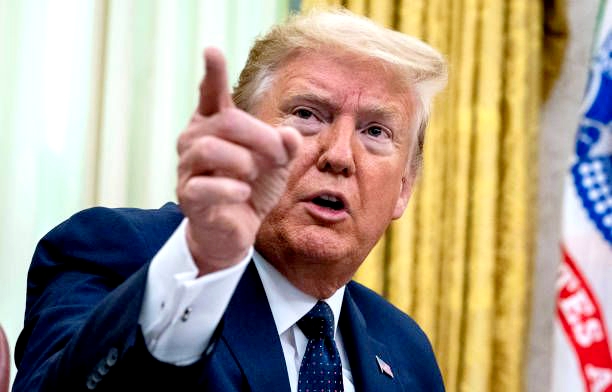
US President Donald Trump has halted threatened strikes on Iranian energy infrastructure, declaring a five-day ceasefire to pursue a “complete and total resolution” of hostilities. The reversal comes less than 24 hours after the President threatened to dismantle Iran’s electricity grid, a move that sent global markets into a tailspin. In a characteristically blunt announcement on Truth Social, Trump cited “very good and productive” conversations with Tehran over the weekend as the catalyst for the pause.
The Department of War, a term Trump has recently revived, received formal instructions to postpone all kinetic operations against Iranian power plants and energy assets. This five-day window is strictly “subject to the success of ongoing meetings” scheduled throughout the week. Diplomats are reportedly working on a framework to de-escalate the broader Middle East conflict, which has seen direct exchanges between Israel, the US, and Iran since late February.
Market reaction to the ceasefire has been swift, providing a tentative floor for global equities after a morning of heavy losses. Investors are now recalibrating expectations for a potential diplomatic breakthrough that could reopen the Strait of Hormuz. However, the “tenor and tone” of these talks remain fragile, as previous signals of de-escalation were followed by renewed threats. Analysts warn that any breakdown in negotiations during this five-day window could trigger an even more aggressive military response.
Tehran has yet to issue a formal response to the ceasefire, though the continuation of talks suggests a mutual desire to avoid total infrastructure collapse. The closure of the Strait of Hormuz remains the primary economic lever held by Iran, and its reopening will likely be a non-negotiable US demand in any “total resolution.” For now, the global energy market remains on a knife-edge, awaiting the outcome of these high-stakes sessions.
The shift in Washington’s stance reflects the immense pressure from international allies and energy agencies. Earlier on Monday, the IEA warned that the crisis posed a greater threat to the global economy than the 1970s oil shocks. By pivoting to a “five-day ceasefire,” Trump appears to be testing whether maximum pressure can be converted into a definitive grand bargain. If the talks fail, the threat to Iran’s power grid remains on the table.
This diplomatic gamble carries significant political risk for the Trump administration. Hardliners in Washington and Tel Aviv may view the pause as an opportunity for Iran to regroup, while others see it as a necessary off-ramp from a global economic catastrophe. The next 120 hours will determine if the Middle East moves toward a lasting settlement or descends into a coordinated campaign of infrastructure destruction.