

Trump Recalls US Ambassador to Nigeria in Diplomatic Shake-Up
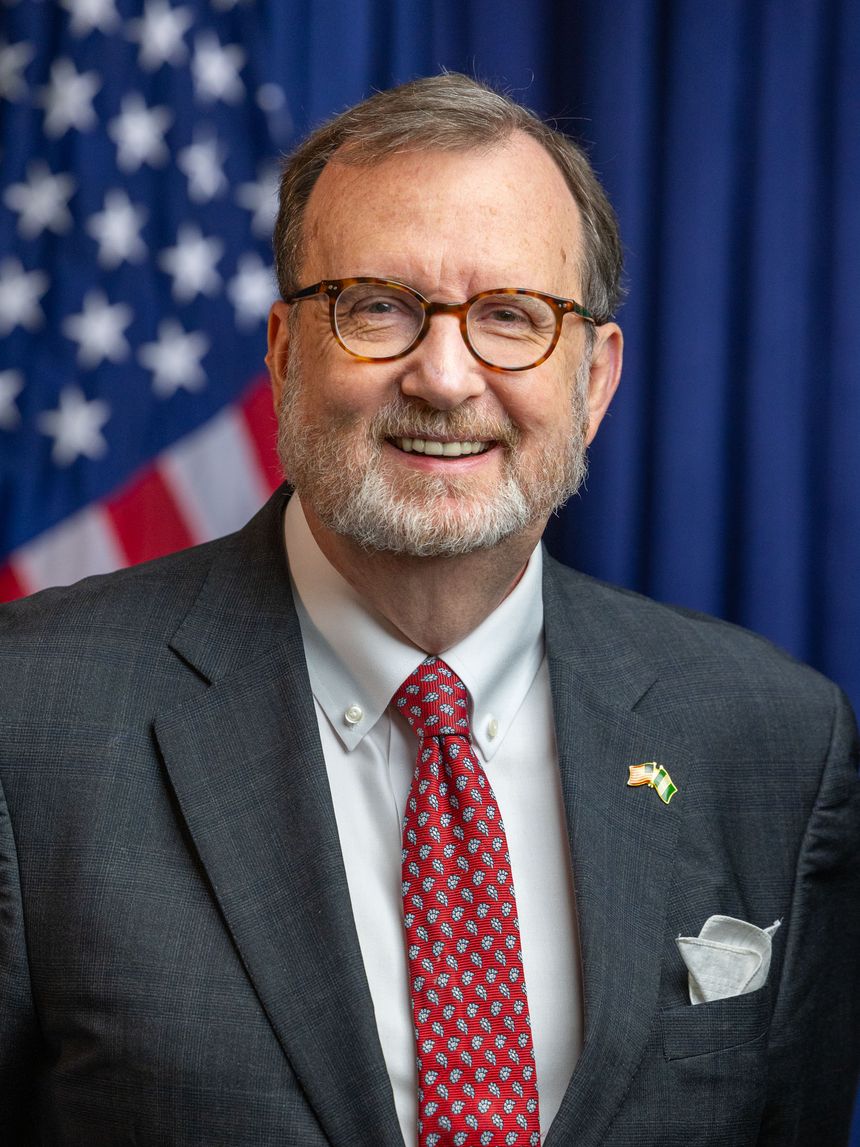
 United States President Donald Trump has reportedly recalled the United States Ambassador to Nigeria, Richard Mills, along with several other career diplomats, as part of a broader review of American diplomatic representation abroad.
According to a report by Politico, the recall is linked to efforts by the Trump administration to realign foreign missions with its “America First” policy agenda. A senior State Department official confirmed that the affected ambassadors were appointed during the administration of former President Joe Biden and will conclude their tenures as chiefs of mission in January.
The official explained that while the ambassadors are being withdrawn from their current postings, they are not being dismissed from the US Foreign Service.
Those affected may return to Washington or accept other assignments within the State Department if they choose.
Africa has emerged as the region most impacted by the development.
Ambassadors to at least 13 African countries, including Nigeria, Burundi, Cameroon, Côte d’Ivoire, Senegal and Uganda, are reportedly among those recalled. Diplomatic posts in other regions — spanning the Asia-Pacific, Europe, the Middle East, South Asia and the Western Hemisphere — have also been affected by the shake-up.
In a statement responding to the reports, the US State Department described the recalls as a routine transition that accompanies a change in administration.
“An ambassador is the personal representative of the president,” the statement said. “It is the president’s prerogative to ensure that individuals serving as chiefs of mission advance the administration’s foreign policy priorities, including the America First agenda.”
The department stressed that the move should not be interpreted as punitive, noting that recalled diplomats retain their professional status and may continue to serve in other roles across the foreign service.
Nevertheless, the development is expected to trigger short-term adjustments in embassy leadership and diplomatic operations in the affected countries. In most cases, chargé d’affaires or senior mission officials are likely to oversee embassy affairs pending new nominations and Senate confirmations.
The recall of the US ambassador to Nigeria is particularly significant, given the strategic importance of the bilateral relationship. Nigeria remains one of Washington’s key partners in Africa, with cooperation spanning security, counterterrorism, trade, energy, public health and democratic governance.
The move has reportedly drawn concern from some US lawmakers and the American Foreign Service Association, which represents career diplomats, amid worries about continuity in diplomatic engagement and institutional memory, especially in regions facing complex security and development challenges.
While the Trump administration has previously defended similar actions as necessary to enforce policy discipline, critics argue that frequent leadership changes at diplomatic missions could disrupt long-term initiatives and weaken US influence abroad.
For Nigeria, the departure of Ambassador Mills comes at a time of heightened diplomatic engagement with Washington, particularly on regional security in West Africa, economic reforms, and energy cooperation. Analysts say the transition may temporarily slow high-level engagements but is unlikely to derail broader bilateral ties.
The White House has yet to formally announce replacements for the recalled ambassadors, and it remains unclear when new nominees will be submitted to the US Senate for confirmation.
As the administration continues to reshape its diplomatic corps, further changes in US missions abroad are expected in the coming weeks.