
Trump Threatens Destruction of Iran’s South Pars Gas Field
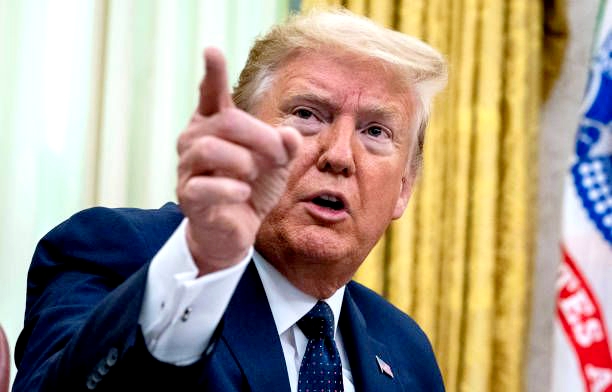
President Donald Trump has threatened to “massively blow up” the South Pars gas field, the world’s largest natural gas reservoir, unless Tehran ceases its strikes on Qatari energy infrastructure. The ultimatum follows extensive damage to Qatar’s Ras Laffan LNG facility on Thursday, which sent global crude oil prices surging by 5%. While Mr Trump claimed Washington “knew nothing” of Israel’s initial strike on the Iranian field, he vowed to halt further Israeli attacks only if Iran stops its retaliatory campaign against Gulf energy sites.
The conflict, now approaching its third week, has moved into a “tit-for-tat” war on energy. Iran’s latest barrage was a direct response to Israeli strikes on South Pars, prompting Saudi Arabia to reserve the “right to take military action” after intercepting drones over its eastern provinces. Debris from a ballistic missile also landed near a refinery south of Riyadh, further stoking fears of a total collapse in regional energy exports. The Strait of Hormuz remains at a near-standstill, choking off a fifth of the world’s daily oil supply.
In Tehran, the political leadership continues to suffer heavy losses under a targeted US-Israeli assassination campaign. Intelligence chief Esmail Khatib was confirmed killed this week, following the earlier death of security chief Ali Larijani. Despite these losses, US Intelligence Chief Tulsi Gabbard told Congress that the Iranian government remains “intact but largely degraded.” Iran’s new Supreme Leader, Mojtaba Khamenei, who has yet to appear in public, issued a written warning that “every drop of spilled blood comes at a price.”
The humanitarian cost is mounting across the Levant and the Gulf. In Israel, a Thai foreign worker was killed by an Iranian missile, while in the occupied West Bank, three Palestinian women were killed by falling debris. Lebanon has been dragged deeper into the fray as Hezbollah continues rocket fire into northern Israel; retaliatory strikes on central Beirut have turned southern coastal roads into a sea of idling cars as residents flee to Sidon. Survivors in villages like Jibchit report that even essential workers, including bakers and municipal staff, have been caught in the crossfire.
Diplomatic efforts to de-escalate remain stalled. French President Emmanuel Macron has called for a moratorium on strikes targeting civilian infrastructure after speaking with both Mr. Trump and the Emir of Qatar. In Iraq, the pro-Iranian group Kataeb Hezbollah offered a fragile five-day truce on attacking the US Embassy in Baghdad, contingent on Israel halting strikes on Beirut’s suburbs. While the embassy reported a quiet Thursday morning, the regional “pause” appears entirely dependent on the next move from the White House or Tel Aviv.
As global markets brace for further volatility, the Pentagon has reinforced its presence with the arrival of the USS Tripoli and 2,500 Marines. The war, which began on 28 February, shows no signs of a diplomatic exit as both sides target the economic lifelines of their opponents. With the South Pars field, a critical asset for both Iran and the global gas market, now in the crosshairs, the risk of a permanent environmental and economic catastrophe has never been higher.