

U.S. Court Sentences Ohio Man for Brutal Murder of Uber Driver
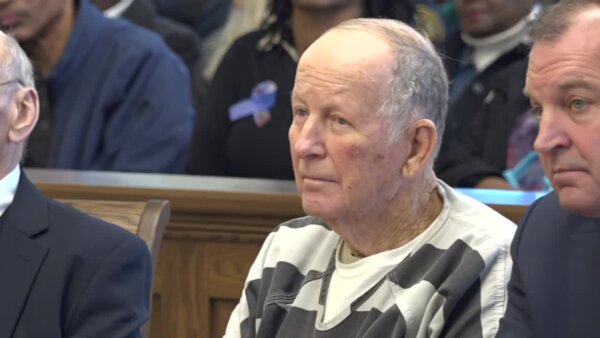
An Ohio court has sentenced William Loza to life in prison without the possibility of parole. The judge handed down the definitive ruling yesterday following a harrowing trial in Cleveland. Loza faced conviction for the cold-blooded murder of an Uber driver during a routine evening trip. The prosecution established that the defendant attacked the victim without any provocation or immediate motive. Consequently, the judicial system has removed a violent offender from the streets of the American Midwest. This case has reignited global concerns regarding the inherent dangers facing ride-share service providers today.
The incident occurred late last year when the victim accepted a trip request from the defendant. Evidence presented in court showed that Loza utilized a concealed weapon to commit the crime. Furthermore, forensic analysts successfully linked the defendant to the crime scene through DNA and digital trails. Active voice testimony from law enforcement officials detailed the swift arrest of the suspect following the tragedy. The victim, a dedicated father and community member, died at the scene from multiple injuries. Consequently, the presiding judge described the act as a senseless violation of human life and dignity.
Conversely, the defense team argued that the defendant suffered from severe and untreated mental health challenges. They requested a sentence that included psychiatric rehabilitation rather than a permanent term in prison. In a related development, the victim’s family provided emotional impact statements during the sentencing hearing. They described the profound void left by the loss of their primary breadwinner and mentor. Furthermore, they called for stricter safety protocols within the global tech-driven transportation sector. The court, however, maintained that the severity of the crime warranted the maximum legal penalty.
The broader implications of this ruling resonate across the international gig economy and labor unions. Safety advocates suggest that ride-share companies must implement more robust background checks for all passengers. Furthermore, they demand the installation of physical safety barriers or emergency alert systems in every vehicle. This tragic event in Ohio highlights the vulnerability of workers in the modern informal economy. Consequently, several states are currently debating new legislation to protect independent contractors from violent encounters. The conviction of Loza serves as a stern reminder of the high stakes involved in digital labor.
Looking ahead, Uber and its competitors face increasing pressure to modernize their internal security infrastructure. The company issued a statement expressing deep condolences to the bereaved family of the driver. Furthermore, they pledged to continue collaborating with law enforcement to prevent similar occurrences in the future. The international community continues to monitor these judicial outcomes for precedents in worker protection laws. Nigeria’s own burgeoning ride-hailing sector must learn critical safety lessons from this American tragedy. Consequently, the focus remains on the intersection of technological convenience and the fundamental right to safety. Justice has finally prevailed for the victim through this decisive and uncompromising life sentence.