

UK Leads International Push to End Hormuz Blockade
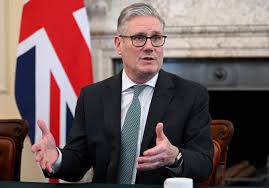
British Prime Minister Keir Starmer will travel to the Gulf region on Wednesday for high-level consultations aimed at consolidating a fragile ceasefire in the Middle East and securing the strategic Strait of Hormuz, Downing Street announced.
The diplomatic mission follows the overnight confirmation of a ceasefire agreement in the prolonged conflict that has destabilised the region since February 28. “I welcome the ceasefire agreement reached overnight, which will bring a moment of relief to the region and the world,” Starmer said in an official statement. “Together with our partners, we must do all we can to support and sustain this ceasefire, turn it into a lasting agreement and reopen the Strait of Hormuz.”
The Prime Minister’s itinerary comes on the heels of intensive multinational coordination efforts. On Tuesday, Britain hosted a virtual meeting of military planners from more than 30 countries to examine mechanisms for an international coalition that would secure maritime access through Hormuz once hostilities subside, according to the Ministry of Defence. This session built upon a UK-led diplomatic conference held last week involving approximately 40 nations, both focused on the critical waterway that serves as a chokepoint for global energy supplies.
The Strait of Hormuz has remained largely inaccessible since the outbreak of the US-Israeli war against Iran on February 28, disrupting worldwide shipments of crude oil, liquefied natural gas, and fertiliser. The closure has intensified pressure on global markets and heightened concerns about energy security across importing nations.
British military engagement in the conflict has been substantial. UK armed forces personnel have intercepted over 110 drone attacks during the hostilities, while Royal Air Force operations have accumulated more than 1,600 hours of defensive missions, the Downing Street statement noted.
Starmer’s Gulf visit represents a pivotal attempt to translate military and diplomatic groundwork into sustained regional stability, with the reopening of Hormuz serving as both an immediate humanitarian priority and an economic imperative for global trade routes.