


US Congress Pushes Strategic Pact With Nigeria Over Christian Killings
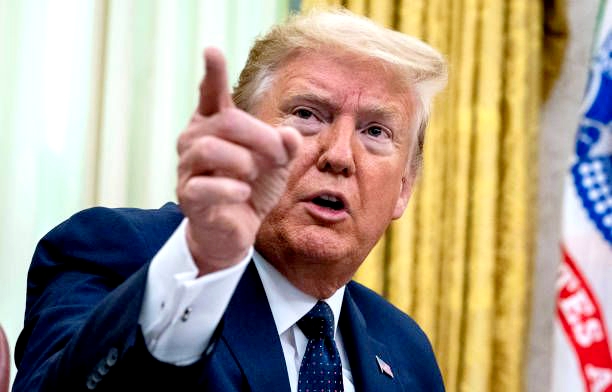
The United States Congress has urged President Donald Trump to negotiate a far-reaching bilateral pact with Nigeria. Lawmakers want Washington and Abuja to jointly protect vulnerable Christian communities and dismantle jihadist networks. They also seek to counter expanding Chinese and Russian influence across Nigeria’s security and mining sectors.
Congress anchored its demand on Nigeria’s redesignation as a Country of Particular Concern. Lawmakers praised Trump for restoring the designation and tightening religious freedom scrutiny. They argued that the move compels Nigerian authorities to confront persistent sectarian bloodshed decisively. Notably, Trump first imposed the label in 2020 before it was later withdrawn.
This time, however, Congress wants binding commitments rather than symbolic diplomacy. Committees from Appropriations and Foreign Affairs conducted hearings and investigative briefings. They consulted civil society groups and reviewed testimonies from affected communities. Subsequently, they concluded that Nigeria remains dangerously volatile for Christian minorities.
Lawmakers described Nigeria as the world’s deadliest environment for Christians today. They blamed armed Fulani militias and extremist factions for sustained attacks. They cited killings, church destructions, kidnappings, and farmland seizures across the Middle Belt. Furthermore, they criticised blasphemy and Sharia-based criminal codes in northern states. They argued that such statutes silence dissent and undermine due process protections.
However, Congress acknowledged Nigeria’s strategic importance to American security interests. Lawmakers described Abuja as a critical regional partner in West Africa. Nevertheless, they insisted that the partnership must reflect measurable political will. They urged Nigeria to allocate domestic resources toward security reforms immediately.
Above all, Congress proposed a formal security and economic agreement. The pact would expand intelligence sharing and counter-terrorism cooperation. It would also support early-warning systems and rapid security deployments in vulnerable regions. Lawmakers recommended demobilisation and disarmament programmes targeting illicit weapons circulation. They further called for ranching reforms and structured land-use policies.
Significantly, Congress demanded divestment from Russian military equipment. Lawmakers encouraged Nigeria to prioritise American defence systems through structured financing. They also proposed sanctions, visa bans, and asset freezes for perpetrators. In addition, they urged audits of US aid effectiveness and intelligence assessments.
Meanwhile, lawmakers pledged to confront illegal mining networks linked to foreign actors. They accused Chinese operators of paying protection money to armed groups. Consequently, Congress framed the crisis as both humanitarian and geopolitical.
The recommendations now sit before the White House for executive action. Indeed, lawmakers described this moment as a generational opportunity. Whether Abuja embraces the proposal will define the next chapter in US–Nigeria relations.