
US Embassy Cancels Abuja Visa Appointments Amid Iran Conflict
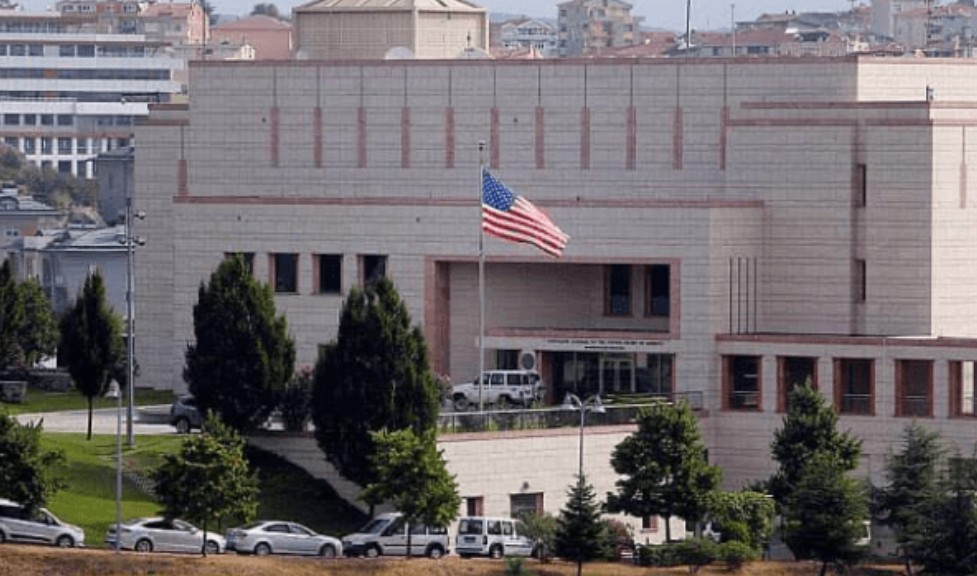
The United States Embassy in Abuja has cancelled all visa appointments scheduled for Wednesday, 4 March 2026, citing “high potential” for violent protests. This precautionary measure follows the reported death of Iran’s Supreme Leader, Ayatollah Ali Khamenei, during joint US-Israeli airstrikes over the weekend. American citizens residing in the Federal Capital Territory have been strongly advised to remain indoors, as the mission anticipates demonstrations linked to the escalating Middle East war.
While the embassy’s gates remained closed to visa applicants, its consular section continues to offer emergency services to US nationals. The decision to suspend routine appointments was driven by the history of violent clashes between security forces and members of the Islamic Movement in Nigeria (IMN), who have already staged protests in several northern states. The mission noted that previous demonstrations in the capital have often turned lethal, necessitating a “stay-at-home” order for staff and citizens.
The geopolitical shockwaves of Khamenei’s death are already being felt across Nigeria’s religious and economic landscapes. The IMN, which maintains deep ideological ties to Tehran, has mobilised followers in Kano, Kaduna, and Lagos to condemn what they describe as a “criminal act of aggression.” In response, the Inspector-General of Police, Tunji Disu, has ordered nationwide “visibility policing” to prevent these protests from being exploited by criminal elements or escalating into a wider domestic crisis.
For Nigerian travellers, the cancellations add a fresh layer of frustration to a system already strained by high demand. Applicants whose appointments were scrubbed on Wednesday will be contacted directly to reschedule. The embassy has warned that further disruptions are possible if the regional conflict expands. Meanwhile, the US Department of State has encouraged all Americans in Nigeria to enroll in the Smart Traveler Enrollment Program (STEP) to receive real-time security alerts on their mobile devices.
Beyond the embassy gates, the conflict is rewriting Nigeria’s economic forecast for 2026. Global oil prices have surged past $80 per barrel as Iran threatens to block the Strait of Hormuz. Economists, including Bismarck Rewane, suggest that while this could push Nigeria’s net external reserves to $55 billion by month-end, the “conflict premium” on shipping and insurance will likely drive local petrol prices toward ₦1,000 per litre. For the average Nigerian, the war in the Gulf is no longer a distant news item; it is an immediate threat to both mobility and purchasing power.
As the US-Israel-Iran war enters its fifth day, the atmosphere in Abuja remains tense. Security forces have been stationed at major junctions and diplomatic corridors to prevent marchers from reaching the “Diplomatic Drive” area. The embassy’s advice to “maintain a low profile” serves as a blunt reminder of the risks currently facing Western interests in the region. Until a de-escalation occurs in Tehran, the normal flow of diplomatic and consular business in Nigeria remains suspended in a state of high alert.