

US Suspends Green Card, Citizenship Processing for Nigerians Amid Expanded Travel Restrictions
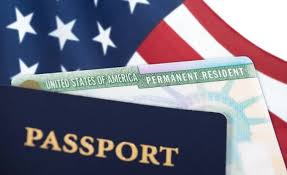
The United States has halted the processing of green card and citizenship applications from Nigerian nationals, following the country’s inclusion in an expanded list of nations facing immigration restrictions under a new presidential proclamation.
Signed by President Donald Trump on 16 December 2025, the proclamation added Nigeria to a roster of 15 countries subject to partial travel restrictions. The move, citing persistent deficiencies in information-sharing, screening capabilities, and national security risks, has triggered an immediate freeze on certain immigration benefits for Nigerians.
A U.S.government official confirmed to CBS News and multiple Nigerian outlets that U.S. Citizenship and Immigration Services (USCIS) has been directed to pause consideration of immigration petitions from nationals of newly restricted countries. This suspension applies specifically to applications for lawful permanent residency (green cards) and naturalization. While not a full entry ban, the measures directly impact pathways to permanent immigration status.
An official stated the pause will continue during an ongoing, comprehensive review of vetting and screening procedures, with no specified timeline for completion.
Nigeria’s placement follows its earlier designation on 31 October 2025 as a“country of particular concern” over alleged religious freedom violations. The latest restrictions also reference concerns related to visa overstay rates and security challenges posed by groups like Boko Haram.
The new proclamation escalates existing U.S. immigration policy. Countries now facing full travel bans include Burkina Faso, Mali, Niger, South Sudan, Syria, Laos, and Sierra Leone. Partial restrictions similar to those applied to Nigeria now extend to Angola, Antigua and Barbuda, Benin, Côte d’Ivoire, Dominica, Gabon, Gambia, Malawi, Mauritania, Senegal, Tanzania, Tonga, Zambia, and Zimbabwe.
Nations previously restricted, such as Afghanistan, Iran, Libya, Somalia, Sudan, and Yemen, remain affected.
The suspension impacts thousands of Nigerians already in the United States who are adjusting their status or awaiting naturalization,placing family reunifications, professional opportunities, and educational pathways in limbo.
Reactions from Nigeria have highlighted concerns over the broad application of the restrictions. Analysts note the measures could strain bilateral ties while underscoring what U.S. officials describe as a pressing need for improved data-sharing and security cooperation.
The administration maintains the steps are essential to safeguard national security and ensure thorough screening. For affected applicants, the directive serves as a stark reminder of the U.S. ‘s evolving immigration priorities, leaving them to await further guidance from USCIS as the review proceeds.