


US Troops Land in Maiduguri: Begins Anti-Terror Mission
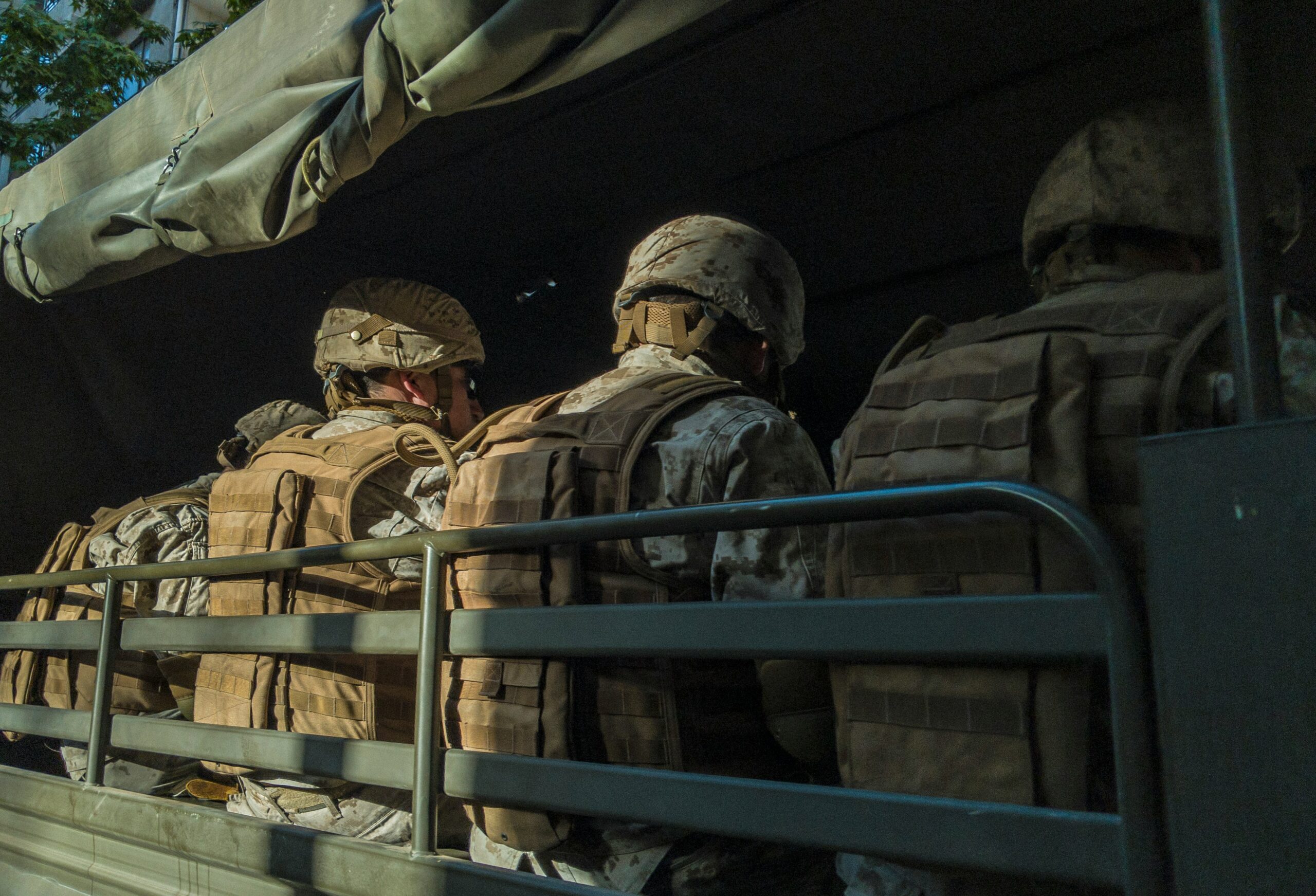
MAIDUGURI — The first wave of United States military personnel arrived in Nigeria on Thursday night, landing in the Borno State capital to initiate a pivotal counterterrorism partnership. This deployment marks the beginning of a specialized mission featuring roughly 200 American intelligence analysts, trainers, and strategic advisers. Officials confirmed that the contingent will assist Nigerian forces in neutralizing jihadist threats, with a specific focus on protecting vulnerable Christian communities in the Middle Belt. Consequently, five US Air Force cargo planes have already commenced the delivery of critical equipment and personnel to primary airbases in the North-East.
Nigerian defense spokesman, Maj. Gen. Samaila Uba, emphasized that the American presence remains strictly non-combatant in nature. He clarified that Nigerian commanders retain full authority over all tactical decisions and sovereign territory. Furthermore, the US personnel will operate primarily from secure command posts, providing high-level advisory support rather than frontline engagement. This strategic arrival follows months of diplomatic friction after Washington redesignated Nigeria as a “country of particular concern” regarding religious freedoms. Meanwhile, the Pentagon has characterized this mission as a temporary intervention designed to stabilize volatile regions over the coming months.
The deployment signals a significant escalation in Western involvement within the Lake Chad Basin and the North-West. US surveillance flights, operating from bases in Ghana, are already providing real-time data to Nigerian special forces on the ground. In a related development, a fresh batch of elite Nigerian troops was deployed to Plateau State this week to curb ethno-religious violence. These combined efforts aim to dismantle the logistics of Islamic State West Africa Province (ISWAP) and Boko Haram. Furthermore, the US-Nigeria working group expects the mission to bolster local capacity for precision strikes and civilian-harm mitigation.
Ultimately, the success of this mission rests on the delicate balance between foreign technical aid and national sovereignty. Critics remain wary of foreign footprints, yet the deteriorating security situation in the Middle Belt demands a radical shift in strategy. As more equipment touches down this weekend, the Nigerian military must prove it can translate foreign intelligence into domestic peace. Only a decisive victory against the insurgents will justify this unprecedented level of international military cooperation.