

Video Exposes Police Harassment of British Tourists on Benin Road
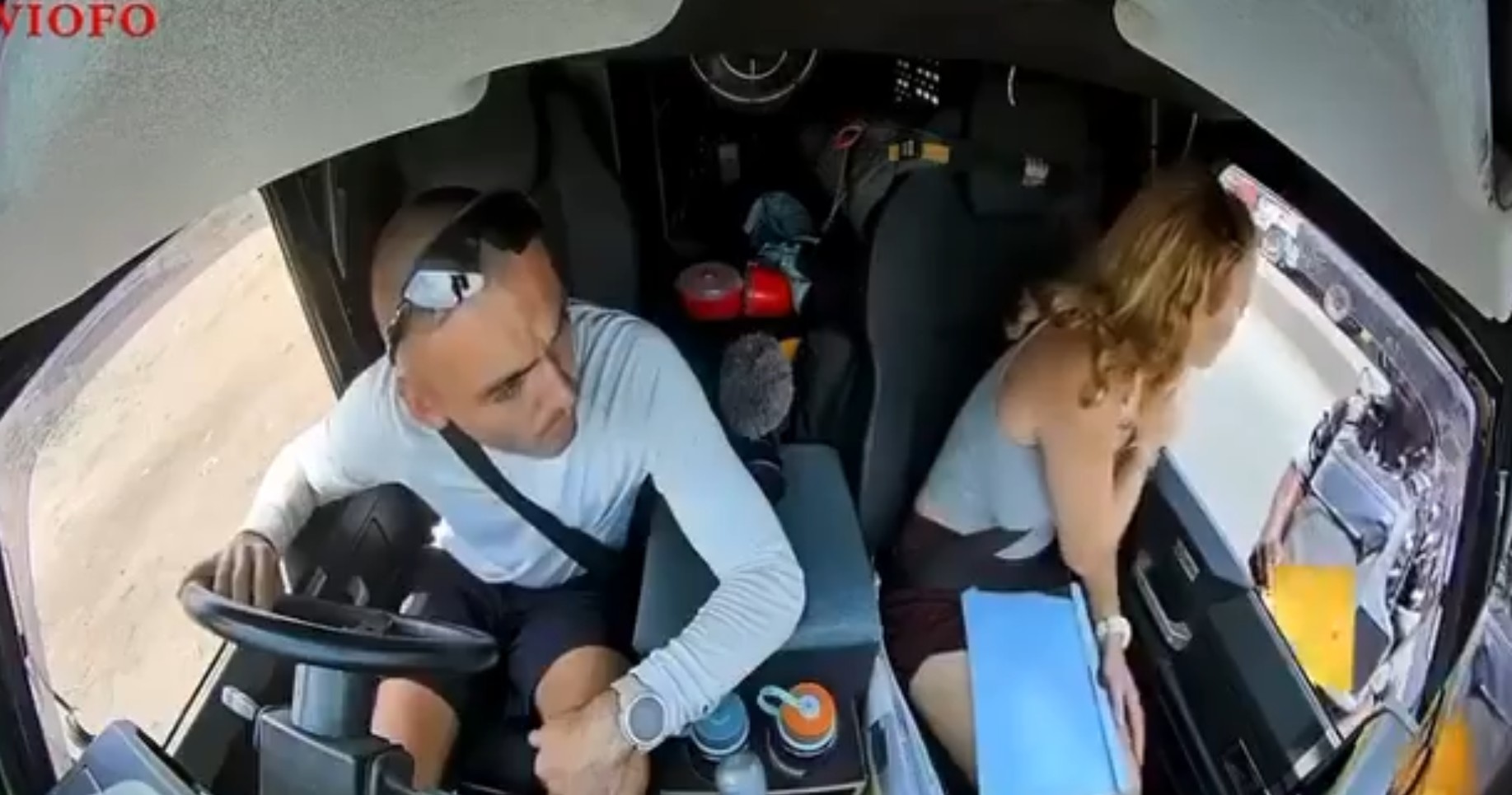
Nigeria — A viral video capturing the harassment of two British tourists by Nigerian police officers has sparked a fresh national debate on highway extortion. The footage shows an officer intercepting a couple, Mitchell and Martha, as they navigated toward Cameroon in a right-hand drive vehicle. After entering from the Benin Republic, the travelers claimed they had 30 days for their journey, and were only passing through Nigeria to Cameroon, then onward to South Africa. However, the routine document check quickly deteriorated into a skeptical interrogation regarding their motives for visiting the country. Consequently, the encounter has drawn widespread condemnation from citizens who view such conduct as a deterrent to foreign investment. While it is true that the tourists remained calm, the officer’s behavior has embarrassed the Force’s high command.
WATCH: Shameless Nigerian Police Officer Harasses,Threatens To Arrest Tourists For Driving Right-hand Vehicle Despite Approval From Authorities pic.twitter.com/ZR4Gt28Mwg
— Sahara Reporters (@SaharaReporters) February 23, 2026
The officer openly questioned the couple’s tourist status, suggesting they were receiving secret payments for their journey. Mitchell clarified that they had sold their home in England to finance their extensive trans-African expedition. Furthermore, the policeman shifted into highly inappropriate territory, inquiring about their ages, previous careers, and marital status. In a related development, the officer mistook a standard vehicle light for a surveillance camera, increasing his suspicion. Indeed, he made several unprofessional requests, including an offer to purchase Mitchell’s personal watch at the roadside. For Nigerian road users, such invasive personal inquiries are a frequent, albeit illegal, occurrence.
The interaction, however, took a bizarre turn when the officer repeatedly insisted that Mitchell should impregnate his partner. He ignored the couple’s visible discomfort, even proclaiming, “Baby will come in Jesus name,” despite their attempt to decline the conversation. Similarly, he offered to purchase alcohol for the duo, a gesture that flatly contradicts the standard code of conduct for officers. Granted, the couple eventually recovered their documents and proceeded with their journey without paying a bribe. Significantly, the reputational damage to Nigeria’s image as a “welcoming destination” remains a major concern for stakeholders. Notably, the Nigeria Police Force has previously vowed to sanitize its highway patrol units through the “Police X-Squad” monitoring teams.
The right-hand drive configuration of the vehicle, though legal for temporary transit, appears to have served as a pretext for the stop. Subsequently, civil society groups have called for the immediate identification and sanctioning of the officer involved in the video. Although the tourists avoided physical harm, the psychological toll of such “predatory hospitality” often haunts travelers long after they leave. Above all, this incident highlights the urgent need for specialized training for officers stationed along international transit corridors. Therefore, the Inspector General of Police must ensure that highway units understand the difference between security vetting and personal harassment.
As a result of this exposure, international travel advisories for Nigeria may soon reflect the risks of “aggressive roadside solicitations.” Also, the quest for a more professional and transparent Nigeria Police Force remains a critical hurdle for the nation.