
Washington Convenes Fresh Session Over Genocide Claims in Nigeria
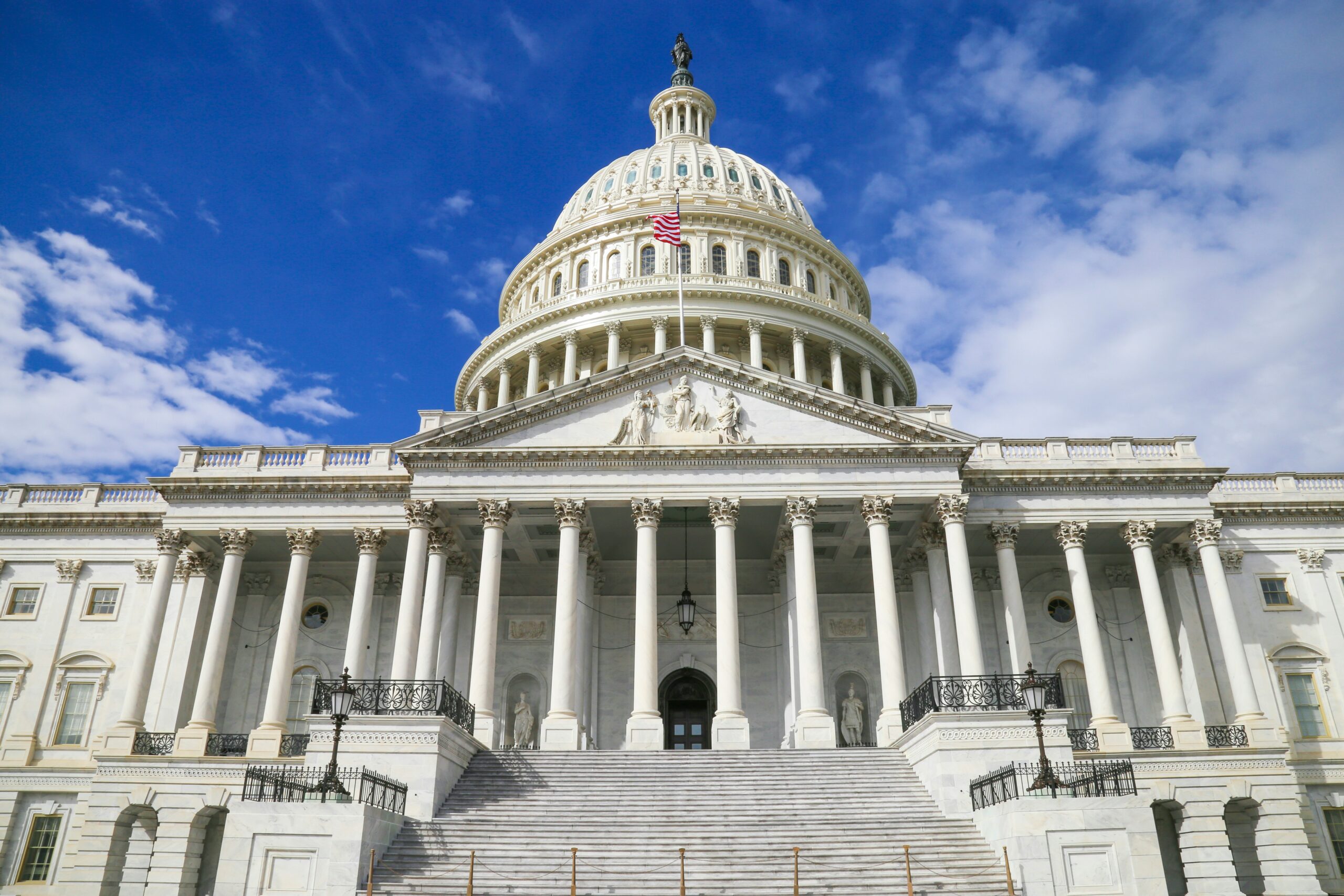
The United States Congress has convened a high-stakes legislative session to address escalating allegations of genocide in Nigeria. Lawmakers in Washington D.C. began a fresh round of hearings today focused on the targeted killing of civilians. This development follows President Donald Trump’s recent redesignation of Nigeria as a “Country of Particular Concern.” The American government insists that the Federal Government has failed to halt systematic attacks on various religious communities. Consequently, several US representatives are now advocating for targeted sanctions against key Nigerian military and political officials. This session represents a significant escalation in the diplomatic friction between Abuja and its long-standing Western ally. The outcome could fundamentally alter the existing security cooperation agreements between the two powerful sovereign nations.
Testimonies presented today highlight a disturbing pattern of violence across the Middle Belt and northern regions. Human rights experts provided data suggesting that extremist groups increasingly target specific ethnic and religious populations. Furthermore, they accused the Nigerian security forces of maintaining a lethargic and ineffective presence in vulnerable areas. Active voice declarations from Republican lawmakers suggest that the United States is currently evaluating “all available options.” These options reportedly include the suspension of security assistance and the imposition of Global Magnitsky Act sanctions. Consequently, the Nigerian Ministry of Foreign Affairs has dispatched a high-level diplomatic team to defend the nation’s reputation. They argue that the violence remains a multifaceted conflict driven by climate change and socio-economic competition.
In a related development, the US Africa Command recently confirmed the deployment of a small specialized military team. This contingent intends to augment Nigeria’s domestic counter-terrorism efforts while providing critical intelligence and strategic oversight. Furthermore, the deployment follows a series of controversial American airstrikes conducted against insurgent targets last December. Conversely, many Nigerian intellectuals warn that framing the crisis as a purely religious genocide oversimplifies a complex reality. They suggest that such narratives could further inflame the fragile communal tensions within the diverse Nigerian landscape. Consequently, the Federal Government must now demonstrate a verifiable commitment to protecting all citizens regardless of faith. The pressure from Washington seeks to eliminate the culture of impunity enjoyed by various armed non-state actors.
Looking ahead, the international community remains divided on the appropriate response to Nigeria’s persistent security challenges. Some European partners advocate for a more nuanced approach that prioritizes developmental aid and local conflict resolution. Furthermore, the United Nations has recently called for an independent investigation into the alleged human rights violations. The US Congressional session continues to serve as a mirror reflecting the world’s growing impatience with Abuja’s results. Consequently, the Tinubu administration must now fast-track its internal security reforms to avoid a total diplomatic isolation. For now, the world watches as the halls of the US Congress shape the future of Nigerian sovereignty.