


Winter Olympics 2026: IOC expels Ukrainian skeleton racer over “Memory Helmet”
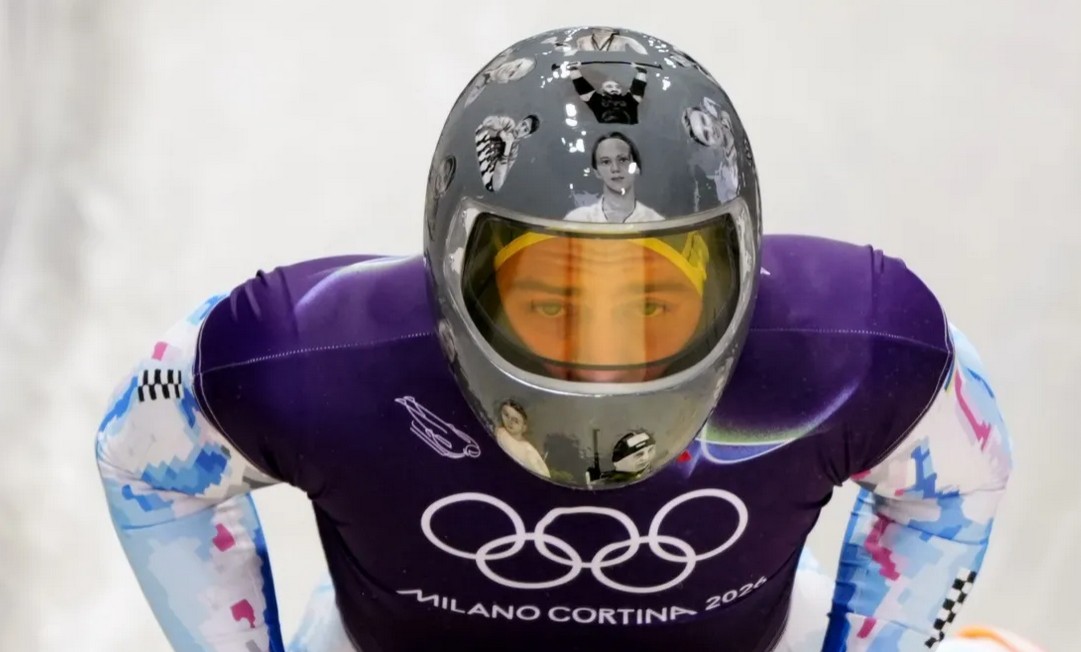
CORTINA D’AMPEZZO — The International Olympic Committee (IOC) has summarily disqualified Ukrainian skeleton pioneer Vladyslav Heraskevych from the 2026 Winter Games. This drastic measure followed the athlete’s steadfast refusal to remove a helmet honoring compatriots killed in the ongoing Russian invasion. In a high-stakes confrontation on Thursday morning, IOC President Kirsty Coventry personally met with Heraskevych just minutes before his scheduled heat. Despite the emotional plea from the Olympic chief, the twenty-seven-year-old slider remained resolute in his decision to wear the “Helmet of Remembrance.” Consequently, the jury of the International Bobsleigh and Skeleton Federation (IBSF) struck his name from the starting list, effectively ending his podium aspirations.
The controversy centers on Rule 50.2 of the Olympic Charter, which prohibits any form of political, religious, or racial propaganda. The IOC maintains that the field of play must remain a neutral sanctuary, free from global geopolitical disputes. Furthermore, officials argued that allowing Heraskevych’s gear would create a “chaotic situation” for future international competitions. While the committee offered a compromise—allowing a black armband and media displays—the Ukrainian athlete rejected these as “bargaining with memory.” He contended that his fallen friends, including teenage athletes and Olympic hopefuls, deserved a presence on the icy chute where they can no longer compete.
The Ukrainian Olympic Committee and President Volodymyr Zelenskyy have rallied behind the disqualified slider, describing the decision as “unjust.” Zelenskyy noted that the IOC had effectively “disqualified democracy” by silencing a tribute to victims of aggression. Many observers pointed to a perceived double standard, citing other instances where athletes expressed personal convictions with less severe repercussions. Meanwhile, Latvian coach Ivo Steinbergs has filed a formal protest to reinstate the athlete, though the men’s skeleton competition proceeded without him. In a related development, British world champion Matt Weston surged into an early lead, a victory now shadowed by the morning’s ethical storm.
Furthermore, the expulsion of Heraskevych evokes memories of the 1968 Mexico City Games, when U.S. sprinters Tommie Smith and John Carlos were purged for their iconic civil rights salute. The IOC’s rigid adherence to its charter often clashes with the visceral realities of athletes hailing from war-torn or oppressed regions. Heraskevych’s legal team has already signaled an intent to appeal the disqualification at the Court of Arbitration for Sport (CAS). They argue that a memorial to dead sportsmen should qualify as a humanitarian tribute rather than a political provocation.
Ultimately, the events in Cortina highlight the growing difficulty of maintaining a sanitized, “neutral” sporting environment in a fractured world. The IOC’s attempt to preserve the “Olympic moment” has, for many, resulted in a significant moral and reputational fracture. As the Games continue, the image of the empty Ukrainian sled remains the most potent message of the 2026 Winter Olympics.